How To Dispose Of Air Compressor?
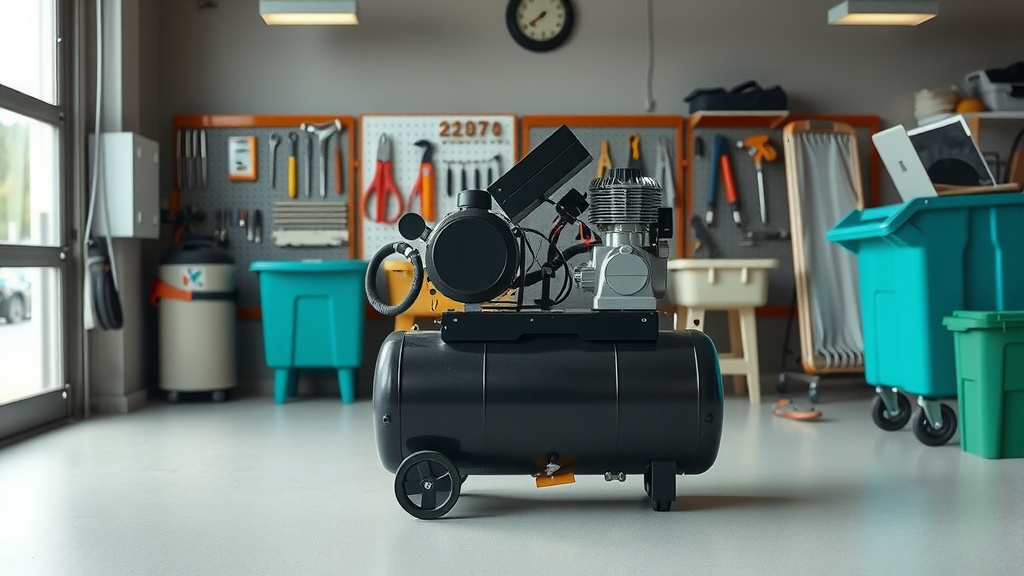
To dispose of an air compressor, first drain all oil and release any remaining air pressure. Then, contact your local recycling center, municipal hazardous waste facility, or a specialized scrap metal yard.
Many older air compressors contain hazardous materials like oil and refrigerants, making proper disposal essential to protect the environment and comply with local regulations. Never just throw one in the regular trash.
- Empty the Tank: Always release all air pressure from the compressor tank before moving it.
- Drain the Oil: Collect and properly dispose of any compressor oil, as it’s hazardous waste.
- Check Local Rules: Disposal methods vary, so contact your local waste management first.
- Recycle Metal: Scrap metal yards often accept the metal components after hazardous parts are removed.
- Consider Donation: If working, a charitable organization or trade school might take it off your hands.
How To Dispose Of Air Compressor?
Disposing of an air compressor might seem tricky, but it’s straightforward once you know the steps. You need to handle both the pressurized tank and any lubricants responsibly.
Why Proper Air Compressor Disposal Matters
Thinking about just tossing your old compressor to the curb? Hold on a second! These machines are more than just metal. They contain specific components that require careful handling.
For instance, many air compressors use oil for lubrication. This oil, if not disposed of properly, can be harmful to our environment (EPA guidelines). Also, the pressurized tank itself poses a safety risk if not depressurized correctly.
Understanding What’s Inside Your Compressor
Your air compressor is a marvel of engineering, but it often holds a few things you wouldn’t want in a landfill. There’s typically motor oil and sometimes refrigerants in larger industrial units. Plus, you have the robust metal tank itself.
Proper disposal isn’t just a suggestion; it’s a commitment to keeping our planet clean. We’ve found that many local regulations are quite clear on this point (local government waste disposal guides).
Preparing Your Air Compressor for Disposal
Before you haul your old workhorse anywhere, a little prep work goes a long way. This ensures both your safety and environmental protection.
Step 1: Release All Air Pressure
This is your top priority. An air compressor tank under pressure is essentially a ticking time bomb if mishandled. Always ensure the tank is completely empty of air.
Locate the drain valve or a relief valve, and let all that stored air escape slowly. You might hear a hissing sound. Wait until it stops completely. Many experts say this step is non-negotiable for safety.
Step 2: Drain the Compressor Oil
If your air compressor is an oil-lubricated model, it will contain oil. This oil must be drained. Place a suitable container under the drain plug, usually at the bottom of the compressor pump.
Collect all the oil. We’ve found that this used oil is classified as hazardous waste in most areas. Do not pour it down the drain or into the ground (Environmental Protection Agency advice).
Step 3: Disconnect All Hoses and Wires
Once empty and drained, disconnect any hoses, power cords, and accessories. This makes the unit easier to transport and helps separate components for recycling. Think of it as tidying up before saying goodbye.
Your Disposal Options: Where Can It Go?
So, you’ve prepped your compressor. Now, where do you take it? You have a few solid choices, depending on your location and the compressor’s condition.
Local Hazardous Waste Facilities
For items like used compressor oil, your municipal hazardous waste facility is often the best stop. They are equipped to handle and process these materials safely.
Many towns and cities have specific collection days or drop-off centers. A quick search for “hazardous waste disposal near me” should give you the details.
Scrap Metal Recycling Yards
The metal body of your air compressor, once free of oil and pressure, is highly recyclable. Scrap metal yards are often keen to take these units.
They will typically weigh the compressor and might even offer you a small payment. We found that ferrous metals (like steel and iron) are always in demand for recycling.
Here’s a quick overview of common disposal points:
- Municipal recycling centers
- Local scrap metal yards
- Specialized hazardous waste sites
- Appliance recycling programs
Donation or Resale (If Working)
Does your air compressor still have some life left? Consider donating it to a local school’s workshop, a vocational training center, or a charity. Someone might truly appreciate a working unit.
Alternatively, you could try selling it online. One person’s old tool is another’s valuable find! This approach keeps perfectly good equipment in use, reducing waste.
Trade-in Programs
Are you upgrading to a new air compressor? Some retailers or manufacturers offer trade-in programs. It’s worth asking when you buy your new unit.
This can simplify disposal and might even net you a discount on your purchase. It’s a win-win for everyone involved.
Key Considerations for Different Compressor Types
While the basic steps are similar, slight differences exist. Larger industrial units might require professional handling due to size and potential refrigerants.
| Compressor Type | Primary Disposal Method | Special Notes |
|---|---|---|
| Small Portable (Oilless) | Scrap Metal Yard, E-Waste | No oil to drain; focus on electronics and metal recycling. |
| Oil-Lubricated (Piston) | Hazardous Waste Facility, Scrap Metal | Must drain and dispose of oil separately. |
| Large Industrial | Specialized Recycling, Professional Removal | May contain refrigerants; often requires certified technicians. |
Safety First: Always Protect Yourself
When handling old equipment, safety should always be your guide. Wear appropriate personal protective equipment (PPE). Thick gloves and eye protection are smart choices.
If the compressor is heavy, ask for help. Don’t strain your back trying to move it alone. A little caution today avoids a lot of pain tomorrow.
Your Quick Disposal Checklist
Here’s a handy checklist to ensure you cover all your bases before saying goodbye to your old air compressor:
-
Depressurize the Tank: Confirm absolutely no air remains.
-
Drain All Oil: Collect it in a sealed container.
-
Disconnect Components: Remove hoses and electrical cords.
-
Research Local Regulations: Call your local waste management office.
-
Identify a Disposal Site: Hazardous waste or scrap yard?
-
Transport Safely: Secure the unit for transit.
Conclusion
Disposing of an air compressor doesn’t have to be a chore. By following these practical steps, you ensure both your safety and environmental responsibility. Remember to always prioritize depressurizing the tank and properly managing any hazardous materials like oil. Whether you choose recycling, donation, or a specialized facility, you’re making a positive impact. Your old compressor might be at the end of its useful life for you, but its components can live on through proper disposal.
How do I find a hazardous waste facility in my area?
To find a hazardous waste facility, you should visit your city or county government’s waste management website. They typically list specific drop-off locations, operating hours, and accepted materials. A quick online search for “hazardous waste disposal [your city/county]” usually provides the best results.
Can I put an air compressor in my regular trash or curbside recycling?
No, you generally cannot put an air compressor in regular trash or curbside recycling. The pressurized tank is a safety hazard, and any residual oil or refrigerants classify it as hazardous waste. Always check with your local waste management services for proper disposal instructions.
What should I do with the drained compressor oil?
The drained compressor oil must be taken to a designated hazardous waste collection site or a facility that accepts used motor oil for recycling. Never pour it down a drain or dispose of it in regular trash, as it can contaminate water sources and soil.
Are oilless air compressors easier to dispose of?
Yes, oilless air compressors are generally simpler to dispose of because you don’t need to worry about draining and managing hazardous oil. Once fully depressurized and disconnected, they can often be taken directly to a scrap metal recycling yard or an electronics recycling center.
What if my air compressor is still working but I don’t need it?
If your air compressor is still in good working condition, you have several options. You could donate it to a local vocational school, a community workshop, or a charity. Selling it online through local marketplaces is also a great way to give it a second life and recover some of its value.