How To Dispose Of Old Air Compressor?
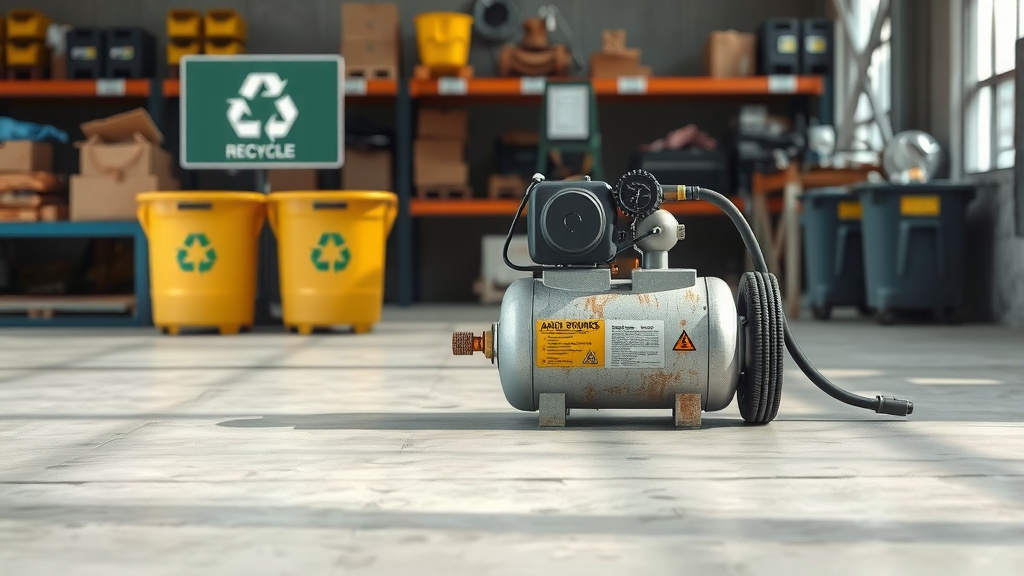
To properly dispose of an old air compressor, you must first drain all fluids, including oil and condensation, and then separate any hazardous materials. Your next step involves finding appropriate local recycling centers, scrap metal yards, or hazardous waste facilities that accept these appliances.
Remember, tossing an air compressor into regular trash is rarely an option due to environmental and safety concerns, often requiring careful preparation and specific drop-off locations.
- Proper disposal begins with draining all fluids like oil and water.
- Always remove hazardous components such as mercury switches or refrigerants.
- Check with your local waste management services for specific rules and drop-off points.
- Consider recycling options like scrap metal yards for the tank and motor.
- Donating or selling a working, used compressor can be another green alternative.
How To Dispose Of Old Air Compressor?
Disposing of an old air compressor involves more than just throwing it away; it requires careful steps to protect the environment and ensure safety. You’ll need to prepare the unit by draining liquids and separating components.
Why Proper Disposal Is Important
An air compressor isn’t just a big metal box. It contains oil, pressurized air, and sometimes other materials that can harm the environment if not handled correctly. Improper disposal can lead to soil and water contamination.
We found that many environmental agencies stress the importance of responsible disposal for all types of machinery. It helps keep our communities clean and safe.
Safety First: Your Initial Steps
Before you even think about moving your air compressor, make sure it’s completely safe. This means relieving all pressure from the tank. You can usually do this by opening the drain valve or pulling the safety relief valve.
Always wear appropriate safety gear, such as gloves and eye protection, when working with old machinery. Better safe than sorry, right?
Depressurizing the Tank
Locate the drain valve, usually at the bottom of the tank. Slowly open it to release any residual air pressure. You might hear a hissing sound as the air escapes.
Ensure the pressure gauge reads zero before proceeding. This step is non-negotiable for your safety.
Draining Fluids from Your Air Compressor
Old air compressors often contain two main fluids: compressor oil and condensation (water). Both need to be drained and handled separately.
Skipping this step can cause environmental damage and make recycling difficult. We found that oil, especially, is a significant pollutant if released carelessly.
Draining the Compressor Oil
If your compressor is an oil-lubricated model, you’ll need to drain the oil. Place a suitable container, like an old oil pan, beneath the oil drain plug. Remove the plug and let all the oil flow out.
Once drained, secure the used oil in a sealed container. Many auto parts stores or municipal recycling centers accept used motor oil for proper disposal (EPA guidelines often recommend this).
Draining Condensation (Water)
Condensation builds up in the air tank over time. This water can contain traces of oil or rust, so it shouldn’t just be poured down the drain. Place a bucket under the drain valve, typically at the bottom of the tank, and open it.
Allow all the water to drain out. While less hazardous than oil, it’s still best to check local guidelines for its disposal, especially if it appears oily.
Separating Components for Recycling
Once the compressor is empty of fluids and depressurized, you might need to separate some parts. This makes it easier for recycling facilities and sometimes earns you a bit of cash for scrap metal.
Think of it like sorting your household recycling, but on a bigger, more industrial scale.
Removing the Motor
The electric motor contains valuable copper wiring and other metals. Detach it from the main compressor tank. You’ll usually need a wrench or screwdriver set for this task.
Many scrap metal yards pay for electric motors, so it’s worth separating it (we found this to be a common practice). This also reduces the overall weight of the tank for transport.
Dealing with the Pressure Switch and Other Small Parts
The pressure switch, gauges, and any plastic or rubber hoses can often be removed. Some pressure switches might contain mercury, making them hazardous waste. Check for any warning labels.
If you suspect mercury, treat these small parts with extra care. Your local household hazardous waste facility is the right place for them.
Finding Local Disposal Options
Now that your air compressor is prepared, where do you take it? There are a few common options, and your choice depends on your local resources and the compressor’s condition.
Always call ahead to confirm acceptance policies. You don’t want to haul a heavy compressor only to be turned away.
Recycling Centers and Scrap Metal Yards
Many metal recycling centers accept old air compressor tanks, especially after fluids are drained. The tank itself is often steel, which is highly recyclable. They might also take the motor separately.
Scrap metal yards typically pay by weight, so this can be a small bonus for your efforts. We’ve seen that calling them beforehand helps confirm their specific requirements.
Household Hazardous Waste Facilities
For any hazardous components like mercury switches or containers of used oil, a household hazardous waste (HHW) facility is the correct destination. These facilities are designed to safely process dangerous materials.
Many communities have scheduled HHW collection days or permanent drop-off sites. A quick search for “hazardous waste disposal near me” should point you in the right direction.
Bulk Waste Pickup or Special Collections
Some municipalities offer bulk waste pickup services for large appliances, or they might have specific collection events for metals and electronics. Check your city or county waste management website for details.
This can be a convenient option if available, saving you a trip to a specialized facility.
Considering Donation or Resale
Is your air compressor still working, or could it be easily repaired? Don’t forget that one person’s old tool can be another’s treasure. Think about giving it a second life.
This is often the most environmentally friendly option, extending the product’s lifespan and reducing waste.
Selling a Used Air Compressor
If your compressor is in good working order, you could sell it. Online marketplaces or local classifieds are great places to list it. Be honest about its condition and any quirks it might have.
A functional air compressor, even an old one, still holds value for hobbyists or small businesses.
Donating to a Local Charity or School
Some vocational schools, community workshops, or charities might accept working air compressors. It’s a fantastic way to support education or community projects.
Always contact them first to see if they have a need and can accept the item. We found that many organizations appreciate such donations.
Common Mistakes to Avoid
Disposing of an air compressor seems straightforward, but there are a few traps people fall into. Let’s make sure you don’t make them.
Avoiding these mistakes keeps you safe and helps protect the planet.
- Never put a pressurized tank in regular trash.
- Do not pour compressor oil down drains or onto the ground.
- Don’t assume all recycling centers take every part; always call ahead.
- Avoid leaving hazardous components exposed or unsecured.
- Don’t forget to check local regulations; they can vary widely.
Disposal Checklist for Your Old Air Compressor
Here’s a quick checklist to guide you through the process:
- Relieve all pressure from the tank.
- Drain and properly store compressor oil.
- Drain and dispose of condensation.
- Remove and separate the motor and other metal components.
- Identify and isolate any hazardous parts (e.g., mercury switches).
- Contact local recycling, scrap metal, or HHW facilities for drop-off.
Comparing Disposal Options
Here’s a handy table to help you compare the best places for different parts of your compressor.
| Component | Best Disposal Method | Notes |
|---|---|---|
| Compressor Tank (Steel) | Scrap metal yard, metal recycling facility | Must be depressurized and fluid-free. |
| Electric Motor | Scrap metal yard | Often contains valuable copper; can be sold. |
| Used Compressor Oil | Household Hazardous Waste (HHW) facility, auto parts store | Seal in a leak-proof container. |
| Condensation/Water | Check local waste guidelines (often sewer if not oily) | Drain slowly, especially if it looks rusty or oily. |
| Mercury Switches/Hazardous Parts | Household Hazardous Waste (HHW) facility | Handle with care, do not discard in regular trash. |
Conclusion
Disposing of an old air compressor doesn’t have to be a headache. By following a few simple, common-sense steps, you can ensure your old unit is handled safely and responsibly. Remember to always prioritize depressurizing the tank and draining all fluids first. After that, your local recycling centers, scrap yards, or hazardous waste facilities are your best friends.
You’re not just getting rid of old equipment; you’re making an effort to protect the environment and contribute to a healthier community. Well done!
Frequently Asked Questions About Air Compressor Disposal
Can I just throw my small air compressor in the regular trash?
No, even small air compressors, like pancake or portable models, typically contain oil or pressurized components that make them unsuitable for regular household trash. They require specific disposal at a recycling center or hazardous waste facility.
What if my air compressor still works but is very old?
If your old air compressor is still functional, consider giving it a second life. You could sell it online, donate it to a local school or charity, or even offer it to a friend or neighbor who might have a use for it.
Do I need to clean the inside of the air compressor tank before recycling?
You don’t need to deep clean it, but it’s crucial to ensure the tank is completely depressurized and all fluids, especially oil and condensation, are thoroughly drained. This prevents environmental hazards and makes it acceptable for most scrap metal yards.
Are there any financial benefits to recycling an old air compressor?
Yes, often. Scrap metal yards typically pay for the weight of the metal, especially for the steel tank and the copper wiring found in the electric motor. It won’t make you rich, but it can offset your time and effort.
What should I do if my municipality doesn’t have a specific air compressor recycling program?
If your local waste management doesn’t have a direct program, your best bet is to contact local scrap metal yards, and household hazardous waste facilities. They can often guide you on accepting the prepared components or direct you to an appropriate service.