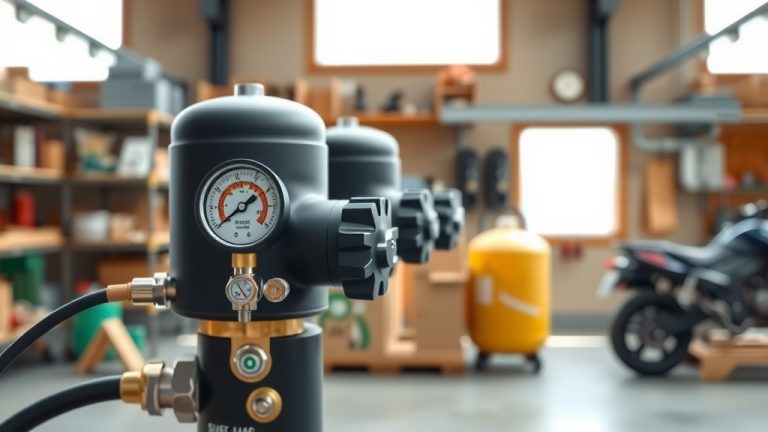
How To Get Dry Air From Air Compressor?
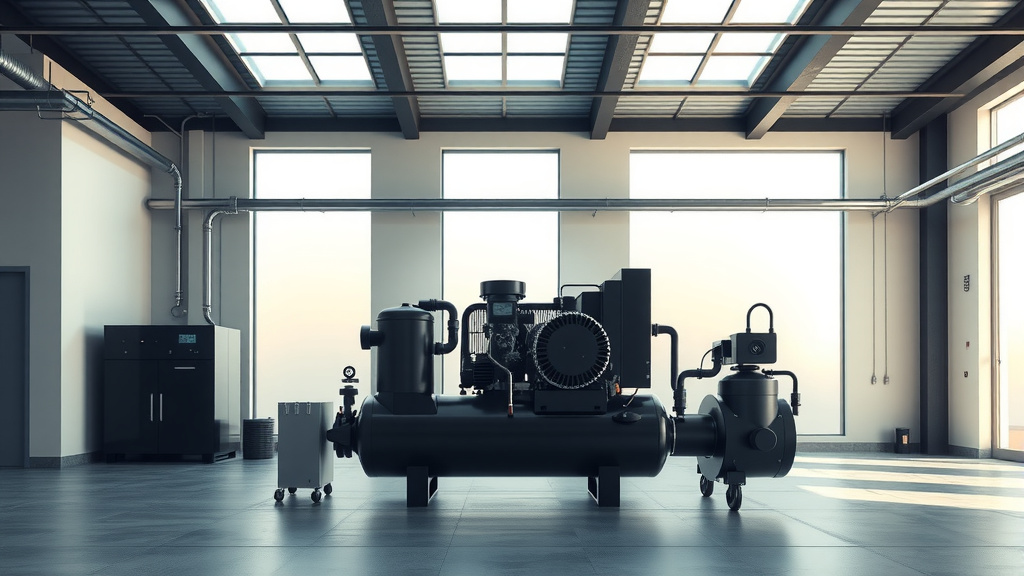
To get dry air from your air compressor, the most effective methods involve installing an air dryer, such as a refrigerated or desiccant dryer, directly into your compressed air system. These systems actively remove moisture before it reaches your tools and applications.
Ensuring dry air from your air compressor also requires proper filtration, regular condensate draining from the tank, and setting up your piping with slope and drip legs to collect any remaining water.
- Investing in an air dryer (refrigerated or desiccant) is the most reliable way to remove moisture from your compressed air.
- Install specialized filters at various stages to catch particles and liquid water droplets effectively.
- Always drain your compressor tank regularly; it’s a simple step that prevents water buildup.
- Proper piping design with slopes and drip legs helps capture any remaining condensate before it reaches your equipment.
- Maintain your air compressor system diligently to ensure consistent delivery of dry, clean air for all your applications.
You’ve got an air compressor, and it’s a powerhouse for your workshop or job site. But have you ever noticed a little water spitting out with the air? Or maybe your paint jobs aren’t as smooth as they should be? That’s where the importance of dry air from your air compressor really comes into play. It’s not just about a little dampness; it can impact your tools, your projects, and even your wallet. Let’s figure out how to solve this common problem together.
How To Get Dry Air From Air Compressor?
Getting dry air from your air compressor means tackling moisture at several points within the system, using specialized equipment and good practices. The most straightforward approach is to integrate an air dryer, followed by proper filtration and diligent maintenance.
Why Is Dry Air So Important?
Imagine trying to paint a car, but water droplets are mixing with your paint. Or maybe your expensive pneumatic tools are starting to rust from the inside out. This isn’t just frustrating; it’s a common issue when your compressed air isn’t dry. Many experts say that moisture is the number one enemy of compressed air systems and the tools they power.
The Hidden Enemy: Moisture in Your Air Line
Your compressor pulls in ambient air, which naturally contains humidity. When this air is compressed, that humidity turns into liquid water. This water then travels through your air lines, causing all sorts of problems. It can damage tools, ruin paint finishes, contaminate products, and even cause premature wear in your air compressor components (Pneumatic Tips).
Choosing the Right Air Dryer
The most effective way to achieve truly dry air is to install an air dryer. Think of it as a bouncer for water, telling it, “You’re not coming in!” We found there are a few types, each suited for different needs and budgets.
Refrigerated Air Dryers: Your First Line of Defense
These are the most common type of air dryer, a great choice for many workshops and industrial settings. They work a lot like your refrigerator at home, chilling the air to condense moisture out of it. We found that refrigerated dryers are often the most cost-effective option for general-purpose applications.
How Refrigerated Dryers Work
Warm, moist compressed air enters the dryer, where it’s cooled down rapidly. This causes the water vapor to condense into liquid droplets, which are then collected and drained away. The now dry, cool air is reheated slightly to prevent condensation in the downstream piping before it exits the dryer (Compressed Air & Gas Institute).
Desiccant Air Dryers: For Ultra-Dry Needs
When you need air that’s bone-dry, like for sandblasting, sensitive electronics manufacturing, or medical applications, a desiccant dryer is the answer. These dryers achieve much lower dew points, meaning virtually no moisture remains. Think of them like a super-absorbent sponge for air.
When Do You Need a Desiccant Dryer?
Desiccant dryers use special materials, like silica gel, that absorb water vapor from the compressed air. These are ideal for outdoor applications where temperatures might drop below freezing, or for processes that demand extremely low humidity. You might not need one for basic garage work, but for professional, critical applications, they are often a must.
Membrane Air Dryers: A Niche Solution
Membrane dryers offer a compact, silent, and maintenance-free solution for specific needs. They use special hollow fibers that allow water vapor to pass through while retaining the dry air. These are usually for smaller systems or point-of-use drying where electricity might be limited or noise is a concern.
Essential Filtration Systems
Even with an air dryer, filters play a critical role in clean, dry air. They catch any tiny particles, oil aerosols, and residual water droplets that might sneak through. It’s like having multiple checkpoints to ensure quality.
Point-of-Use Filters
These filters are installed right before your tools or sensitive equipment. They provide a final line of defense, catching any contaminants that might have formed or collected in the air lines. Many experts recommend a combination filter/regulator/lubricator (FRL) unit at this stage for optimal tool performance (Pneumatics & Sensors Journal).
Proper Compressor Setup and Maintenance
Beyond specialized equipment, your everyday habits and system layout make a huge difference in keeping your air dry.
Regular Tank Draining
This is perhaps the simplest, yet most overlooked, step. Your air compressor tank is where compressed air cools, and moisture condenses and collects at the bottom. If you don’t drain it, that water can be picked up by the airflow and sent to your tools. Make it a habit to drain your tank daily, or after each use. It’s like emptying a bucket before it overflows.
Smart Piping: Slopes and Drip Legs
How you run your air lines matters. We found that piping systems should be installed with a slight downward slope, away from the compressor. This allows any residual moisture to flow to specific collection points called “drip legs” or “drain legs.” These are vertical sections of pipe with a drain valve at the bottom. It’s a passive way to catch water before it reaches your equipment. Many guidelines point to installing drip legs every 50-100 feet or before any major branch off (OSHA guidelines).
Automatic Drain Valves: A Smart Upgrade
Tired of manually draining your tank or drip legs? Consider installing automatic drain valves. These clever devices use a float mechanism or electronic timer to automatically open and drain the collected condensate. It’s a small investment that can save you time and ensure consistent moisture removal.
What Happens if You Don’t Dry Your Air?
Ignoring moisture in your compressed air system can lead to a host of problems. We often hear about:
- Premature Tool Wear: Internal rust and corrosion damage moving parts, drastically shortening tool lifespan.
- Poor Finish Quality: Water in paint or blasting media leads to fish eyes, streaks, or uneven surfaces.
- Product Contamination: Moisture can ruin sensitive materials in manufacturing processes, especially in food, pharmaceutical, or electronics industries.
- Increased Maintenance Costs: You’ll spend more on repairing or replacing tools and system components.
- Reduced System Efficiency: Rust and scale build-up can restrict airflow and reduce the overall efficiency of your compressor system.
Here’s a quick reference for common air dryer types and their typical applications:
| Dryer Type | Dew Point Range (Approx.) | Best For |
|---|---|---|
| Refrigerated | 35-50°F (1.7-10°C) | General shop air, automotive, basic painting. |
| Desiccant | -40°F (-40°C) and lower | Blasting, critical painting, medical, electronics. |
| Membrane | Down to -40°F (-40°C) | Point-of-use, labs, OEM equipment, small systems. |
To ensure your air is consistently dry, consider this quick checklist:
- Install an appropriate air dryer for your needs.
- Place a general-purpose filter upstream of the dryer.
- Add a coalescing filter downstream of the dryer.
- Always drain your compressor tank regularly.
- Design your air lines with proper slopes and drip legs.
- Consider adding automatic drain valves for convenience.
Conclusion
Getting dry air from your air compressor isn’t just a luxury; it’s a necessity for protecting your tools, maintaining project quality, and ensuring the longevity of your entire compressed air system. By combining the right air dryer with effective filtration and good maintenance practices, you can achieve consistently dry air. Remember, investing in dry air now will save you headaches and money in the long run. Take the steps today to safeguard your equipment and enhance your work quality.
How often should I drain my air compressor tank?
You should drain your air compressor tank daily, or at the very least, after each significant use. Condensate quickly accumulates, and regular draining prevents water from corroding the tank from the inside and being pushed into your air lines.
Can I just use an inline filter to dry air?
An inline filter (specifically a water separator filter) can remove liquid water droplets, but it cannot remove water vapor. For truly dry air, especially for painting or sensitive tools, you need a dedicated air dryer. Filters are an important part of the system but not a complete solution for drying air.
What is the dew point in compressed air?
The dew point in compressed air is the temperature at which water vapor in the air will begin to condense into liquid water. A lower dew point indicates drier air. For instance, a 35°F dew point means the air will only condense water if its temperature drops below 35°F.
How do I know if my air compressor needs a dryer?
If you see water coming out of your air tools, notice rust in your air lines, experience inconsistent paint finishes, or have pneumatic equipment failing prematurely, these are clear signs your air compressor needs a dryer. Any application sensitive to moisture will benefit from a dryer.
Are there maintenance tasks for air dryers?
Yes, air dryers require maintenance. Refrigerated dryers need their condensate drains checked and often have filters that need cleaning or replacing. Desiccant dryers require periodic replacement or regeneration of their desiccant material, while membrane dryers are generally maintenance-free but may need pre-filters changed regularly.