Can PVC Be Used For Air Compressor Line?
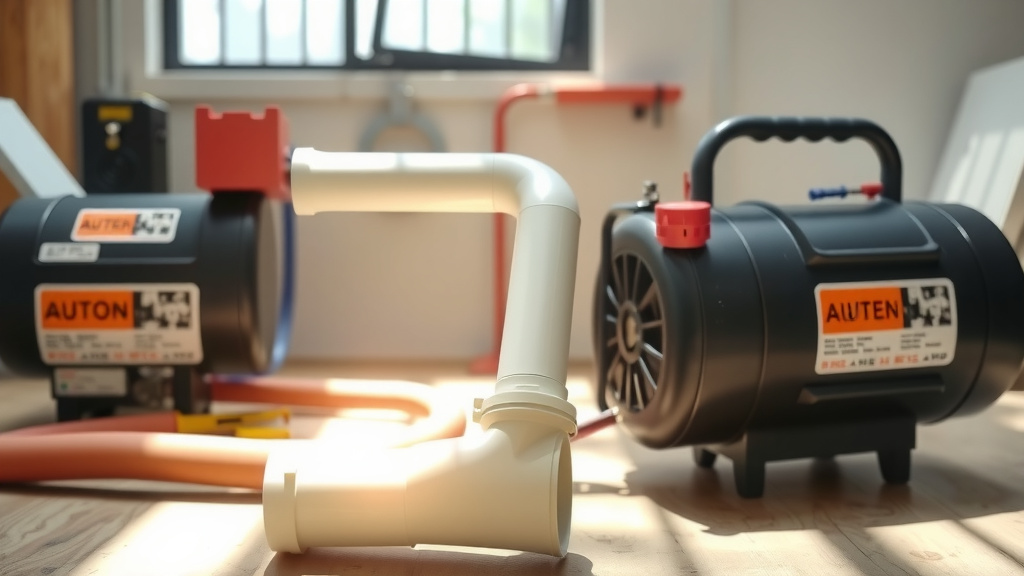
No, PVC should not be used for an air compressor line due to significant safety risks. It is not designed to withstand the high pressures and temperatures produced by air compressors, making it prone to rupture or shattering.
Using PVC for air compressor lines can lead to serious hazards, including explosive pipe failure and the release of dangerous plastic shrapnel.
TL;DR: Here’s the gist of why PVC is a no-go for air compressor lines:
- PVC plastic is simply not strong enough for pressurized air.
- It can shatter explosively, sending dangerous shards flying.
- Heat from the compressor further weakens PVC, increasing failure risk.
- Proper materials like copper, PEX, or black iron are much safer.
- Always prioritize safety over cost when setting up your compressed air system.
Can PVC Be Used For Air Compressor Line?
You might be wondering if PVC pipe is a good choice for your air compressor setup. The straightforward answer is no, you should absolutely avoid using PVC for air compressor lines.
This isn’t just a recommendation; it’s a critical safety warning that every air compressor owner needs to hear. We found that PVC simply isn’t built for the job.
Why PVC and Compressed Air Don’t Mix
Air compressors generate a lot of power. They push air at high pressures, often much higher than what standard PVC pipe can safely handle. Think of it like trying to inflate a car tire with a balloon – it’s just not going to work.
Many industry standards confirm that PVC pipe is rated for water pressure, not compressed air (OSHA guidelines frequently touch on this). Water is incompressible, which means if a water pipe fails, it typically cracks and leaks.
Air, however, is compressible. When a pipe holding compressed air fails, it can explode with incredible force. This is where the real danger lies.
The Pressure Problem with PVC
Your air compressor might run at 100 PSI (pounds per square inch) or even higher. While some PVC pipes might list a pressure rating, that rating is for water, not air. Air behaves differently under pressure.
When PVC pipe ruptures under air pressure, it doesn’t just split. It can disintegrate, turning into many sharp, fast-moving pieces of plastic.
Heat: The Silent Weakener
Another factor often overlooked is heat. Air compressors generate heat as they work. This heat travels through the air lines.
PVC plastic softens and weakens significantly when exposed to elevated temperatures. What might seem like a strong pipe at room temperature becomes much more brittle and fragile when heated.
Research consistently shows that PVC’s strength rating drops dramatically with even a small increase in temperature above typical room temperature.
The Explosive Danger of PVC Failure
Imagine a pipe suddenly bursting near you, scattering plastic shrapnel. This isn’t a rare occurrence with PVC air lines; it’s a known, documented risk.
The flying plastic fragments can cause severe injuries, including deep cuts, eye damage, and even fatal wounds. Is saving a few dollars worth that risk?
We found numerous reports where using PVC for compressed air lines led to serious accidents and injuries (industry safety publications often detail these incidents).
Common Misconceptions About PVC
Some people might think, “My compressor only runs at low pressure,” or “I’ve used PVC before, and it was fine.” This kind of thinking is extremely dangerous.
Even at lower pressures, PVC is a ticking time bomb. It can weaken over time due to vibrations, UV exposure, or just the constant stress of holding compressed air.
Safety shouldn’t be based on luck or past experiences that could have easily gone wrong.
What Are the Right Materials for Air Compressor Lines?
Now that we know what not to use, let’s talk about what materials are safe and recommended. There are several excellent choices that stand up to the demands of compressed air systems.
These materials are designed to handle both the pressure and the heat, giving you peace of mind.
Choosing Safe Air Line Materials
When you’re setting up or upgrading your air compressor system, always opt for materials specifically rated for compressed air. You’re investing in safety and reliability.
Many experts say that choosing the right piping is as important as choosing the right compressor.
Here’s a quick look at some better alternatives:
- Copper Pipe: Durable, corrosion-resistant, and handles heat well.
- Black Iron Pipe: Very strong and traditional for heavy-duty applications.
- Aluminum Pipe: Lightweight, easy to install, and corrosion-resistant.
- PEX Tubing (specifically air-rated PEX): Flexible, easier to install than rigid pipe, but make sure it’s rated for air, not just water.
PVC vs. Safe Alternatives: A Quick Comparison
Let’s put it simply. When you’re dealing with something as powerful as compressed air, you need materials that are up to the task. Here’s how PVC stacks up against safer options:
| Material | Pressure Rating (Air) | Temperature Resistance | Failure Mode | Recommendation |
|---|---|---|---|---|
| PVC | Poor (water only) | Low (weakens with heat) | Explosive shattering | NEVER use for air |
| Copper | Excellent | Excellent | Pinholes or leaks | Highly Recommended |
| Black Iron | Excellent | Excellent | Rust, small leaks | Recommended |
| Aluminum | Excellent | Good | Leaks at connections | Recommended |
| Air-Rated PEX | Good | Good | Splits, leaks | Good Option |
Installation Tips for Safe Air Lines
Even with the right materials, proper installation is key. A poorly installed system, no matter the material, can still pose risks.
Make sure all connections are secure and sealed correctly. We found that leaks not only waste energy but can also create unsafe pressure drops or surges.
Your Air Compressor Safety Checklist
Before you power up your compressor, run through this quick safety list:
- Choose piping materials specifically rated for compressed air.
- Ensure all fittings and connections are tight and leak-free.
- Install a proper pressure relief valve on your compressor.
- Regularly inspect your air lines for wear or damage.
- Never exceed the maximum pressure rating of any component.
Understanding Pressure Ratings: A Quick Guide
Every pipe, hose, and fitting has a pressure rating. This rating indicates the maximum pressure it can safely handle. But remember our earlier point: a water pressure rating is not the same as an air pressure rating.
Always check that the material you choose is rated for the specific pressure and temperature of your air compressor system. If in doubt, consult a professional.
Conclusion
When it comes to your air compressor line, safety must always be your top priority. Using PVC pipe is a dangerous gamble that simply isn’t worth taking. The risks of explosive failure, flying shrapnel, and serious injury are far too high.
While PVC might seem like a cheaper or easier option, the potential consequences far outweigh any perceived benefits. Invest in appropriate materials like copper, black iron, aluminum, or air-rated PEX.
By choosing the right materials and ensuring proper installation, you’re not just building an efficient air system; you’re building a safe one. Don’t compromise on safety; your well-being depends on it.
Frequently Asked Questions
Why is PVC sometimes used for water lines but not air lines?
PVC is commonly used for water lines because water is incompressible. If a water pipe fails, it typically springs a leak or cracks without shattering. Compressed air, being a compressible gas, stores much more energy. When a pipe containing compressed air fails, it releases that energy explosively, making materials like PVC hazardous.
Can I use Schedule 40 or Schedule 80 PVC for air compressor lines?
No, even Schedule 40 or Schedule 80 PVC is not recommended for air compressor lines. While these schedules are thicker and might have higher water pressure ratings, they still suffer from the same fundamental weaknesses as all PVC when exposed to compressed air and heat: they become brittle and can shatter explosively, unlike metals or specialized air-rated plastics.
What if my air compressor only runs at low pressure?
Even at seemingly low pressures, PVC pipe for air lines presents a risk. Over time, vibrations, UV exposure, or minor impacts can weaken the pipe. The material properties of PVC itself make it unsuitable for compressed air, regardless of the operating pressure. It’s always best to use materials specifically designed and rated for compressed air applications.
Are there any plastic pipe options safe for compressed air?
Yes, some specialized plastic tubing, like certain types of PEX (Cross-linked Polyethylene) or nylon tubing, are manufactured and rated specifically for compressed air systems. It’s crucial to verify that any plastic piping you consider is explicitly labeled and certified for compressed air use, not just for water, and that it meets your system’s pressure and temperature requirements.
How often should I inspect my air compressor lines?
You should inspect your air compressor lines regularly, especially before each major use or at least once a month if used frequently. Look for any signs of wear, cracks, bulges, leaks, or corrosion, particularly around fittings and connections. Promptly replace any damaged sections to maintain safety and system efficiency.