Can You Use Hydraulic Hose For Air Compressor?
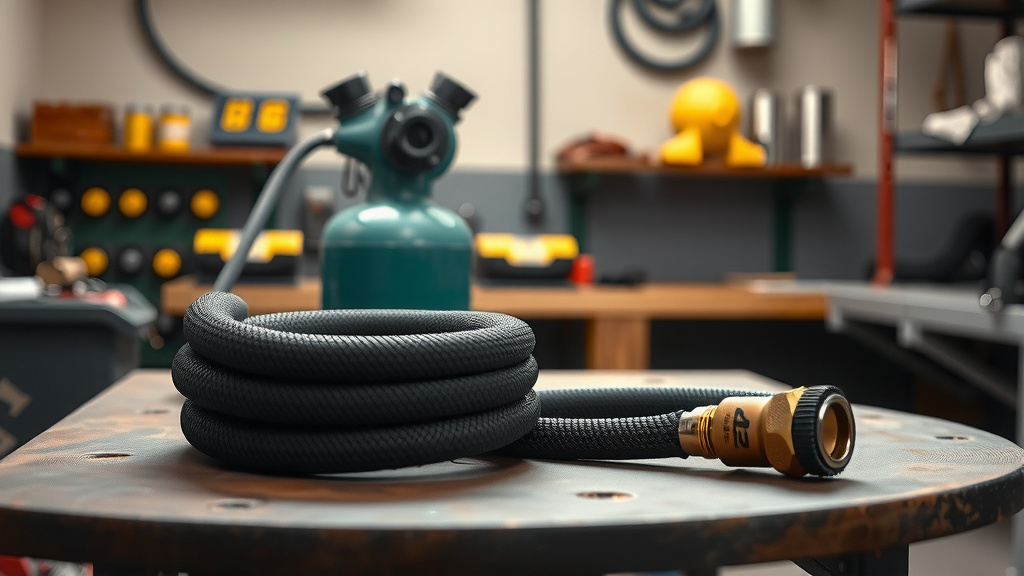
No, you absolutely cannot safely use a hydraulic hose for an air compressor. These hoses are designed for entirely different fluid dynamics and pressure applications, posing significant safety risks.
Using a hydraulic hose for compressed air can lead to catastrophic failure, severe injury, or even death, as their construction is unsuitable for the unique demands of pneumatic systems.
- It’s highly unsafe to use hydraulic hoses with air compressors due to fundamental design differences.
- Hydraulic systems use incompressible fluids; air compressors use highly compressible air under pressure.
- The materials and construction of hydraulic hoses are not rated for the explosive decompression of compressed air.
- Using the wrong hose risks catastrophic failure, hose bursts, and serious accidents.
- Always choose specific pneumatic hoses designed for air compressor applications for safety and performance.
Have you ever looked at a robust hose and thought, “Could this work for my air compressor?” It’s a common thought, especially when a hydraulic hose looks so strong. However, when it comes to air compressors, choosing the right hose isn’t just about strength. It’s about safety and knowing the science behind why certain tools are built the way they are.
You might wonder, “What’s the big deal?” We’re here to clear up any confusion. We’ll explain why mixing hydraulic hoses with air compressors is a serious hazard. We genuinely care about your safety and want to help you make informed decisions.
Can You Use Hydraulic Hose For Air Compressor?
Absolutely not. You should never use a hydraulic hose for an air compressor. These two systems operate under vastly different principles and demand specific hose constructions for safe operation.
Understanding the Core Difference: Fluid vs. Gas
Think of it this way: water is very different from air, right? Hydraulic systems move incompressible fluids, like oil. Air compressors, however, deal with highly compressible gases. This fundamental difference is where the problem starts.
When hydraulic fluid experiences pressure, it doesn’t change much in volume. If a hydraulic hose fails, the fluid might spray out. It can cause a mess or a slippery hazard, but it won’t explode.
The Danger with Compressed Air
Compressed air is a different story entirely. Air, a gas, stores a tremendous amount of energy when compressed. If an air hose fails, that stored energy releases suddenly and explosively. It’s like a balloon popping, but on a much more dangerous scale.
This rapid decompression can turn a simple hose failure into a violent event. It can send pieces of the hose flying like shrapnel. It’s a critical safety issue that many people overlook.
Pressure Ratings Aren’t Everything
You might see a hydraulic hose rated for thousands of PSI and think, “That’s more than my air compressor needs!” While hydraulic hoses handle high static pressure, they aren’t designed for the dynamic forces and characteristics of compressed gas. We found that static pressure is not the only factor to consider.
Pneumatic hoses are built to withstand the unique stresses of air. This includes rapid pressure fluctuations and the potential for explosive decompression. Hydraulic hoses lack these specific features.
Material Differences Matter Greatly
Hydraulic hoses often feature rubber or thermoplastic materials. They have several layers of reinforcement, like braided wire. These materials are chosen for their resistance to hydraulic fluids and high fluid pressures.
Air compressor hoses, in contrast, use materials better suited for compressed air. These materials are flexible and robust. They can handle temperature changes and resist ozone and oil from the compressor. Many experts say material choice is non-negotiable for safety (OSHA guidelines).
The Risk of Bursting
Imagine a tire on your car. If it’s designed for a bicycle, it won’t hold up on a highway. The same applies here. A hydraulic hose used for air is like putting the wrong tire on your vehicle. It’s an accident waiting to happen.
When a hydraulic hose bursts under air pressure, it doesn’t just leak. It can rupture violently. This can create a significant hazard in your workspace. Catastrophic failure is a real concern.
Why Specific Pneumatic Hoses Are Essential
Pneumatic hoses are engineered for a purpose. They handle the unique properties of compressed air. They are flexible, durable, and designed to manage sudden pressure releases safely.
These hoses often have anti-kink properties and abrasion resistance. They also connect using specific pneumatic fittings. These fittings ensure a secure, airtight seal. We found that proper fittings are as important as the hose itself.
Hose Comparison: Hydraulic vs. Pneumatic
Let’s look at a simple comparison to illustrate the differences. This table helps clarify why you need the right tool for the job. It’s about more than just PSI ratings.
| Feature | Hydraulic Hose | Pneumatic (Air) Hose |
|---|---|---|
| Medium | Incompressible fluids (oil, water) | Compressible gases (air) |
| Pressure Type | High static/working pressure | Dynamic pressure, explosive decompression |
| Reinforcement | Often braided steel wire for fluid containment | Synthetic fiber for flexibility and burst resistance |
| Lining Material | Resistant to hydraulic oils/chemicals | Resistant to oil carryover from compressor, ozone |
| Failure Mode | Leakage, spray, or burst (fluid release) | Violent, explosive rupture (gas release) |
The Real Cost of Cutting Corners
It might seem like a way to save a few dollars. Using what you already have can feel smart. However, the potential cost of a preventable accident is immense. It includes medical bills, lost work time, and possibly severe injury. Safety should always be your top concern.
Investing in the correct pneumatic hose is a small price. It ensures the safety of you and anyone working around your equipment. This is a clear case where compromise isn’t an option. Many guidelines point to using appropriate equipment for its intended use (NFPA standards).
Choosing the Right Air Compressor Hose
So, what should you look for when buying an air compressor hose? Here’s a quick checklist to guide you. Keeping these points in mind helps ensure you pick the safest option.
- Pressure Rating: Ensure it exceeds your compressor’s maximum output.
- Material: Look for rubber, PVC, or polyurethane specifically designed for air.
- Diameter: Match the hose diameter to your tool’s requirements for optimal airflow.
- Length: Choose a length that reaches your workspace without excessive coiling.
- Fittings: Check for durable, corrosion-resistant brass or steel fittings.
- Flexibility: A more flexible hose is easier to work with and less prone to kinking.
Maintenance of Air Hoses for Longevity
Even with the correct hose, proper maintenance extends its life and ensures safety. Regularly inspect your air hoses for wear, cracks, or damage. Replace any hose showing signs of deterioration. We found that regular inspection prevents most failures.
Store hoses properly, away from sharp objects and direct sunlight. Avoid dragging them across rough surfaces. This simple care routine can make a big difference. It safeguards your investment and your well-being.
When in Doubt, Ask an Expert
If you’re ever unsure about equipment compatibility, always consult a professional. Your local hardware store or an air compressor specialist can offer valuable advice. They can help you make the safest choice. It’s always better to ask before you act when safety is involved.
Conclusion
In summary, using a hydraulic hose for an air compressor is a dangerous practice that you must avoid. Despite appearances, these hoses are built for entirely different purposes. The potential for explosive failure and serious injury is simply too great to ignore.
Always opt for pneumatic hoses specifically designed for air compressor applications. They are engineered to handle the unique demands of compressed air, providing the flexibility, durability, and most critically, the safety you need. Your well-being and the integrity of your equipment depend on making the right choice every time. Be smart, stay safe, and always use the correct tools for the job.
Can a hydraulic hose burst if used with an air compressor?
Yes, a hydraulic hose can burst violently if used with an air compressor. Its construction is not designed to handle the explosive decompression forces of compressed air, leading to potential catastrophic failure and dangerous shrapnel.
What kind of hose should I use for my air compressor?
You should always use a pneumatic hose, also known as an air hose, specifically designed for air compressor applications. These hoses are built to safely manage compressed air pressures and temperatures.
Are hydraulic and pneumatic fittings interchangeable?
No, hydraulic and pneumatic fittings are generally not interchangeable. They are designed for different pressures, fluids, and connection types. Using mismatched fittings can lead to leaks, pressure loss, or dangerous failures.
Why is compressed air more dangerous than hydraulic fluid if a hose fails?
Compressed air stores significant amounts of energy because gas is compressible. When a hose carrying compressed air fails, this stored energy releases suddenly and explosively. Hydraulic fluid, being incompressible, dissipates energy less violently upon failure, typically resulting in a spray rather than an explosion.
Can I use a hydraulic hose for low-pressure air applications?
Even for low-pressure air applications, using a hydraulic hose is not recommended. While the immediate risk might seem lower, the hose is still not designed for air. It lacks the safety features to handle gas dynamics and could degrade unpredictably, making it an unsafe long-term solution.