Do Air Compressor Tanks Expire?
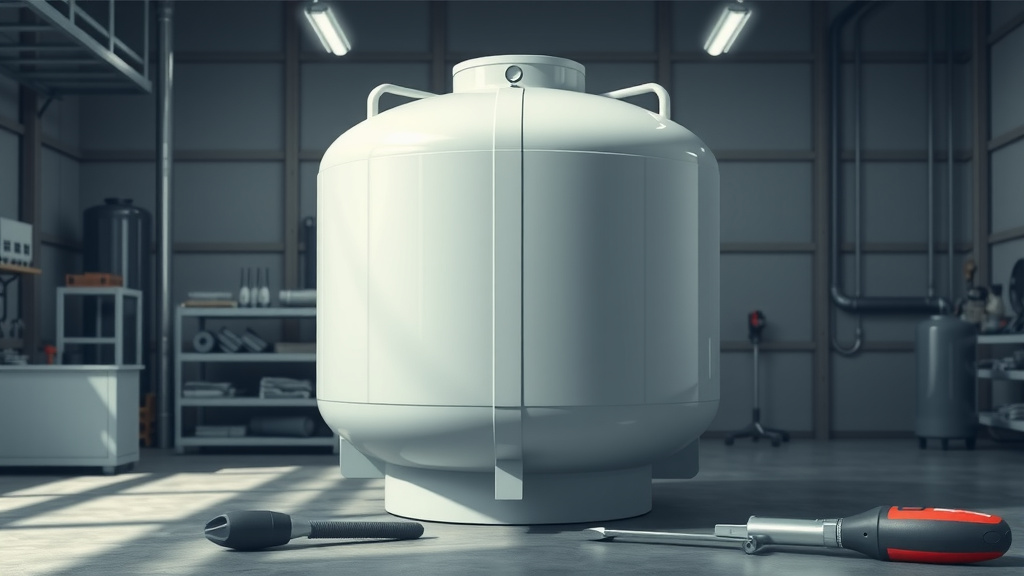
Yes, air compressor tanks can and do expire. Their lifespan is finite, mainly due to internal corrosion and metal fatigue, which compromises their structural integrity over time.
Ignoring an aging air compressor tank can lead to significant safety hazards, including catastrophic rupture, making regular inspections and timely replacement absolutely essential for safe operation.
- Air compressor tanks have a limited lifespan, often ranging from 10 to 20 years.
- Internal rust and corrosion are the primary reasons tanks “expire” and become unsafe.
- Regular draining of condensation and visual inspections are vital for extending tank life.
- Ignoring signs of wear can cause serious safety risks, including tank explosions.
- Professional hydrostatic testing can confirm a tank’s remaining safety and serviceability.
You rely on your air compressor for so many tasks, from powering tools to inflating tires. But have you ever stopped to think about the large metal tank holding all that pressurized air? It’s a critical component, and like most things, it doesn’t last forever. In fact, understanding the lifespan of your air compressor tank is a major safety concern.
Many people don’t realize that these tanks have a definitive expiration date, even if it’s not stamped on the side like a milk carton. Let’s dig into why these tanks don’t last forever and what you can do about it.
Do Air Compressor Tanks Expire?
Yes, air compressor tanks absolutely expire. While there isn’t a hard “use by” date, tanks degrade over time due to various factors, making them unsafe to use.
The main culprit is corrosion, which weakens the tank walls and increases the risk of a dangerous rupture.
The Silent Killer: Internal Rust
Inside every air compressor tank, condensation forms. Air naturally contains moisture, and when it’s compressed, this moisture turns into liquid water. This water settles at the bottom of the tank.
If not drained regularly, this standing water causes rust. Rust eats away at the steel from the inside out, making the tank walls thinner and weaker. This weakening is often invisible from the outside, making it particularly dangerous.
Why Rust is a Big Deal
Imagine a balloon that slowly gets thinner and thinner. Eventually, it will pop. An air compressor tank works similarly, but with much more force. A rusted tank can’t handle the high pressure it was designed for.
A sudden tank failure can cause a violent explosion. Many experts say this can launch shrapnel or even the entire tank itself, causing serious injury or worse (Occupational Safety and Health Administration).
Understanding Tank Lifespan Factors
Several things determine how long your air compressor tank will last. It’s not just about age; it’s about how the tank has been treated.
Some tanks might only last a decade, while others could go for twenty years or more under ideal conditions.
Usage Frequency and Environment
If you use your compressor daily in a humid environment, it will generate more condensation. This speeds up rust formation compared to a compressor used occasionally in a dry climate.
Where you store your compressor also matters. A damp garage contributes to external rust and can make internal conditions worse.
Maintenance Habits
This is where you have the most control. Regularly draining the tank is the single most important maintenance step. It removes the water that causes rust.
We found that tanks with a diligent draining schedule can significantly prolong their operational life.
Signs Your Air Compressor Tank Might Be Failing
Your tank might give you clues that it’s on its way out. Pay close attention to these warning signs.
Ignoring them is like ignoring a check engine light in your car; it could lead to bigger problems.
- Visible rust on the exterior, especially at the bottom or welds.
- Pitting or dents on the tank surface.
- Unusual noises or vibrations from the tank itself.
- A sudden drop in air pressure even when the compressor is running.
- Rust-colored water coming out when you drain the tank.
The Importance of Regular Draining
Draining your air compressor tank is a simple task that takes minutes but extends its life years. Most experts recommend doing this daily if you use your compressor often, or after every use for occasional users.
Just open the drain valve at the bottom and let the water (and often some rusty sludge) escape. It’s that easy!
Steps for Safe Tank Draining
Before draining, make sure your compressor is off and unplugged. Also, release all the air pressure from the tank first. This makes the draining safer and more effective.
Many guidelines point to always wearing eye protection during this task (Occupational Safety and Health Administration).
When to Consider Professional Inspection or Replacement
Even with good maintenance, tanks don’t last forever. If your tank is showing signs of rust or is older than 10-15 years, it’s wise to get a professional opinion.
Sometimes, a professional can perform a hydrostatic test to check the tank’s integrity.
What is Hydrostatic Testing?
This test involves filling the tank with water and then pressurizing it to a level higher than its normal operating pressure. If the tank holds the pressure without leaks or bulging, it passes.
Research often connects regular hydrostatic testing to increased safety in industrial settings (Compressed Gas Association).
| Tank Material | Pros | Cons | Typical Lifespan |
|---|---|---|---|
| Steel | Strong, common, cost-effective | Prone to rust, heavy | 10-20 years |
| Aluminum | Lighter, corrosion resistant | More expensive, less common | 15-25 years |
| Composite | Lightest, very corrosion resistant | Most expensive, limited uses | 20-30 years (specialized) |
Checklist for Air Compressor Tank Safety
Keeping your air compressor safe is straightforward if you follow a few basic rules.
Think of this as your personal safety guide for your trusty air tool.
- Drain tank daily or after each use.
- Inspect for visible rust or damage regularly.
- Never exceed the tank’s maximum pressure rating.
- Ensure the pressure relief valve works correctly.
- Store in a dry, protected environment.
- Consider professional inspection for older tanks.
Understanding Pressure Relief Valves
Every air compressor tank has a pressure relief valve. This vital safety device opens automatically if the pressure inside the tank becomes too high.
It’s like a safety fuse for your tank, preventing an overpressure situation. Never tamper with this valve.
Recycling or Disposing of Old Tanks
When it’s time to retire your tank, don’t just toss it out. Old air tanks contain steel that can be recycled. Make sure the tank is completely depressurized before disposal.
Contact your local recycling center for guidance on proper disposal of metal tanks.
Conclusion
The idea of an air compressor tank “expiring” is a serious one that every owner should understand. While they don’t have a simple date, internal rust and metal fatigue will eventually render them unsafe. Your vigilance with regular draining and visual inspections is the best defense against premature failure.
Remember, an air compressor tank is a pressure vessel, and safety should always be your top priority. Don’t take chances with an old or rusted tank; replacing it could literally save a life.
How often should I drain my air compressor tank?
You should drain your air compressor tank after every use, especially if you live in a humid area or use it frequently. This prevents water buildup that causes internal rust.
Can I repair a rusted air compressor tank?
No, repairing a rusted air compressor tank is not recommended. Once rust compromises the metal’s integrity, repairs can be unreliable and unsafe. It is much safer to replace the tank.
What are the dangers of an expired air compressor tank?
The main danger is a catastrophic tank rupture or explosion due to weakened walls. This can launch metal fragments at high speed, causing severe injury or even death, and extensive property damage.
How can I tell if my air compressor tank is made of steel or aluminum?
Most common shop compressors have steel tanks, which are heavier and more prone to rust. Aluminum tanks are lighter and won’t rust, but they are generally less common and found in specialized, often portable, units.
Does the age of my air compressor impact its tank’s safety?
Yes, the age significantly impacts safety. Even well-maintained tanks will experience metal fatigue and some internal corrosion over many years. Tanks older than 10-15 years, regardless of appearance, should be carefully evaluated or considered for replacement.