Why Is My Air Compressor Blowing Fuses?
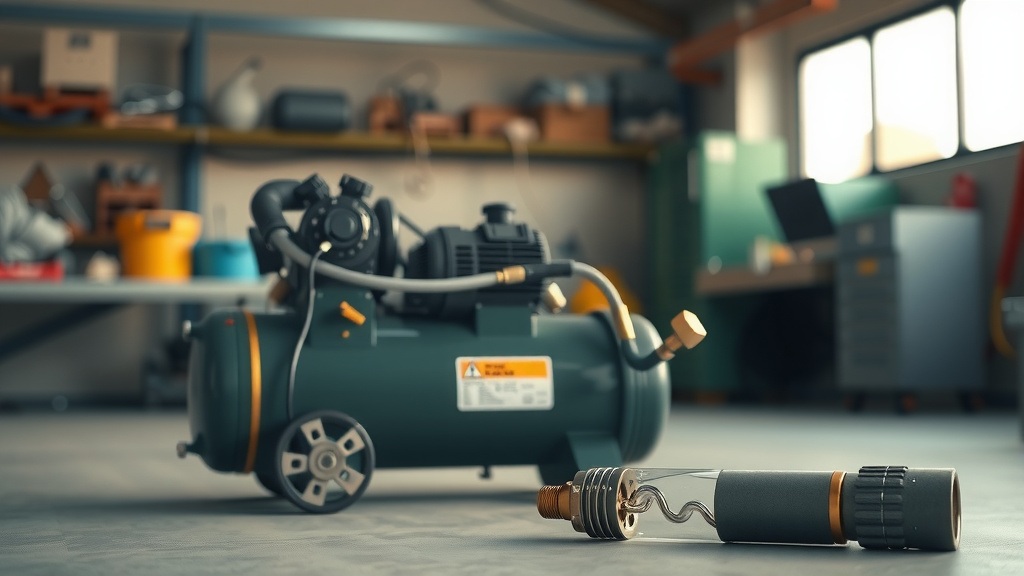
When your air compressor keeps blowing fuses, it often signals an electrical overload or a mechanical problem demanding more power than usual. This issue can range from simple causes like a weak circuit to more complex internal motor malfunctions.
Typically, an air compressor blowing fuses means it’s drawing too much current, protecting your electrical system from damage, and pointing to a problem you should address quickly for safety and performance.
Here’s a quick overview of why your air compressor might be blowing fuses:
- Your power supply might be too weak or the circuit overloaded.
- Internal electrical issues like bad wiring or a failing motor can cause a surge.
- Mechanical problems, such as low oil or a clogged filter, make the motor work harder.
- Stuck check valves or worn-out components increase the load, drawing excessive current.
- Extreme environmental conditions can also impact compressor performance and power draw.
Why Is My Air Compressor Blowing Fuses?
An air compressor blowing fuses is a clear sign of an underlying problem, often tied to excessive current draw. This typically happens when the unit needs more electricity than the circuit can safely provide.
Understanding the Fuse’s Job
Think of a fuse as a tiny, sacrificial bodyguard for your electrical system. When too much current tries to pass through, the fuse breaks, interrupting the circuit to prevent damage or fire (Electrical Safety Foundation International).
Common Electrical Culprits
Many fuse-blowing incidents originate with the electrical supply itself. You might assume your compressor is the sole issue, but sometimes the problem lies elsewhere.
Inadequate Power Supply or Circuit
Is your compressor plugged into a suitable outlet? We found that often, people plug powerful compressors into circuits not designed for their amperage. This can immediately lead to an overload and a blown fuse.
An extension cord that’s too long or too thin can also cause voltage drop, making your compressor work harder and draw more current. Always use a heavy-duty, short extension cord if one is absolutely necessary.
Faulty Wiring
Loose, frayed, or damaged wiring within the compressor or its power cord can create resistance or short circuits. These issues lead to an excessive current draw, causing your fuse to blow.
A simple visual inspection can sometimes reveal signs of wear. However, for internal wiring, professional help might be needed to safely diagnose and repair any faults.
Motor Problems
Your compressor’s motor is its heart. If it’s struggling, it will pull more power. A failing start capacitor, worn motor bearings, or even a shorted winding can cause the motor to draw too much current (National Electrical Manufacturers Association).
You might hear unusual noises, or the motor may hum but not start. These are clues that your motor is having trouble and potentially causing the fuse to blow.
Mechanical Stressors that Increase Power Draw
Electrical issues aren’t the only cause. Sometimes, mechanical problems force the motor to work overtime, leading to increased power consumption.
Low Oil Levels
Just like your car engine, an air compressor motor needs proper lubrication. Low oil levels cause increased friction and heat, forcing the motor to work harder to compress air.
This added strain means more electricity drawn, which can easily blow a fuse. Regular oil checks and changes are vital for compressor health.
Clogged Air Filter
If your air filter is choked with dust and debris, the compressor struggles to pull in air. Imagine trying to breathe through a pillow; your lungs work much harder.
This extra effort translates directly into higher power demand from the motor. A dirty filter is an easy fix for preventing blown fuses and maintaining efficiency.
Stuck Check Valve
The check valve prevents compressed air from flowing back into the pump when the compressor shuts off. If it’s stuck open, the motor has to restart against full tank pressure every time, which is a huge strain.
This surge of effort on startup often causes a fuse to blow. Many experts say a stuck check valve is a common culprit for startup fuse failures.
Worn or Damaged Components
Internal components like piston rings, bearings, or even the pump itself can wear down over time. When these parts are no longer operating smoothly, they create more resistance.
More resistance means the motor has to exert more force, leading to an increased current draw. This gradual wear and tear can be a silent fuse-blower.
Environmental Factors
Sometimes, the environment your compressor operates in can play a role, especially with temperature extremes.
Excessive Heat
Operating an air compressor in a very hot environment can cause the motor to overheat. Overheating reduces efficiency and can cause the motor to draw more current in an attempt to maintain performance.
Additionally, high temperatures can weaken electrical components over time. Ensuring proper ventilation for your compressor is a simple yet effective solution.
Extreme Cold
While less common for blowing fuses, extreme cold can thicken compressor oil, making the motor work harder to start and run. This increased resistance on startup can, in some cases, lead to a temporary current spike that trips a fuse.
Allowing the compressor to warm up or using appropriate cold-weather oil can help. This is often more about prevention than immediate fuse-blowing.
First Steps: Troubleshooting Your Compressor
Before you panic or call a professional, there are some basic checks you can do yourself. Always prioritize safety.
Safety First: Disconnect Power
Always unplug your compressor before inspecting any part of it. This might sound obvious, but it’s the most important step to prevent electrical shock or injury.
Treat every electrical component with respect. Better safe than sorry when dealing with power tools.
Visual Inspection Checklist
A quick look can reveal a lot. Here’s a simple checklist:
- Is the power cord frayed or damaged?
- Is the electrical outlet receiving power? Test with another appliance.
- Are any wires within the compressor loose or burnt?
- Is the air filter visibly clogged with debris?
- Are oil levels correct and the oil clean?
Listen and Observe
When you attempt to start the compressor (after safely replacing a fuse), listen for unusual noises. Does the motor hum loudly but not start? Is there a grinding sound?
These auditory clues can help pinpoint if the motor or internal pump components are struggling, giving you a better idea of where to focus your attention.
When to Seek Professional Help
Sometimes, the problem is beyond a simple DIY fix. If you’ve checked the basics and the fuse still blows, it’s likely time for an expert.
Internal motor issues, complex wiring faults, or deep mechanical problems are best handled by a qualified technician. They have the tools and expertise to safely diagnose and repair these issues without risking further damage or injury.
Here’s a look at common causes and potential solutions:
| Potential Cause | What it Means | Simple Solution |
|---|---|---|
| Circuit Overload | Too many devices on one circuit. | Move compressor to a dedicated circuit. |
| Bad Extension Cord | Too thin or too long, voltage drop. | Use heavy-duty, short cord, or no cord. |
| Clogged Air Filter | Motor struggles to draw air. | Clean or replace the air filter. |
| Low or Dirty Oil | Increased friction in the pump. | Check and top off/change compressor oil. |
| Stuck Check Valve | Motor restarts under full pressure. | Inspect and possibly replace the check valve. |
| Motor Overload | Internal motor issue (capacitor, winding). | Professional diagnosis and repair. |
Preventative Maintenance Tips
A little care goes a long way in preventing future fuse issues. Regular maintenance can save you headaches and repair costs.
- Regularly check your air filter and clean or replace it when dirty.
- Monitor oil levels and change the oil according to manufacturer guidelines.
- Inspect electrical cords and wiring for any signs of damage or wear.
- Keep your compressor in a well-ventilated area to prevent overheating.
- Listen for unusual noises during operation and address them promptly.
- Drain condensation from the tank to prevent rust and internal issues.
Conclusion
An air compressor blowing fuses isn’t just an annoyance; it’s a vital warning sign. It tells you your unit or its electrical supply is struggling, and ignoring it can lead to bigger problems.
By systematically checking your power source, looking for common mechanical issues like clogged filters or low oil, and paying attention to your compressor’s motor, you can often pinpoint the problem yourself. Remember, prioritizing safety and knowing when to call in an expert are key to keeping your compressor running smoothly and your workspace safe. A well-maintained compressor is a happy compressor!
How do I know if my air compressor motor is bad?
If your air compressor motor hums loudly but doesn’t start, trips the circuit breaker or blows fuses immediately, or emits burning smells, these are strong indicators of a failing motor. Unusual grinding or squealing noises during operation can also suggest internal motor problems.
Can a faulty capacitor cause an air compressor to blow a fuse?
Yes, absolutely. A faulty start or run capacitor is a very common reason for an air compressor to blow a fuse. The capacitor helps give the motor the necessary jolt to start or keeps it running efficiently. If it fails, the motor draws excessive current trying to start or maintain speed, leading to an overload.
What size fuse do I need for my air compressor?
The correct fuse size for your air compressor is crucial and should always match the manufacturer’s specifications. This information is typically found in your compressor’s manual or on a label on the unit itself. Using a fuse that’s too small will cause it to blow prematurely, while one that’s too large won’t provide adequate protection.
Is it normal for an air compressor to trip the circuit breaker sometimes?
While an occasional trip might happen, it is generally not normal for an air compressor to frequently trip a circuit breaker. Frequent trips indicate an underlying issue, such as an overloaded circuit, a problem with the compressor itself (like a failing motor or mechanical binding), or an improperly sized breaker for the compressor’s power requirements.
What does it mean if my air compressor starts, but then blows the fuse?
If your air compressor starts successfully but then blows the fuse a few moments later, it often points to a problem that develops as the motor builds up to full load or as the pump starts to compress air. This could be due to a failing run capacitor, worn internal pump components increasing friction, a stuck check valve causing excessive back pressure, or even an issue with the pressure switch not disengaging properly.