Air Tools And Painting
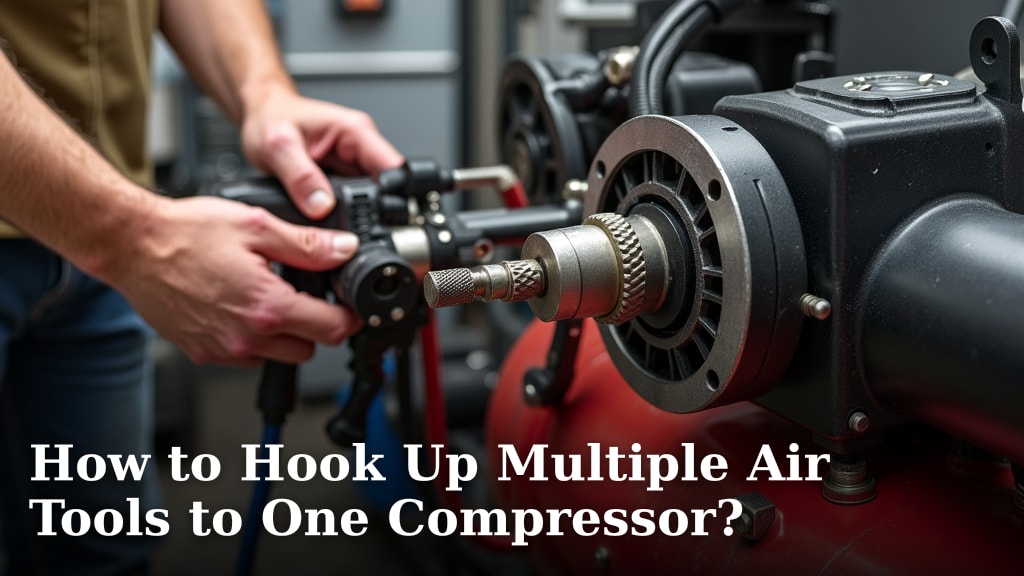
How to Hook Up Multiple Air Tools to One Compressor?
Hook up multiple air tools to one compressor: Follow clear steps, learn what tools you need, and check setup and safety before you begin. See what to do next.
Find air compressor reviews, buying guides, and answers to common questions. Compare models, parts, and uses for home projects, tires, and workshop tasks.
Hook up multiple air tools to one compressor: Follow clear steps, learn what tools you need, and check setup and safety before you begin. See what to do next.
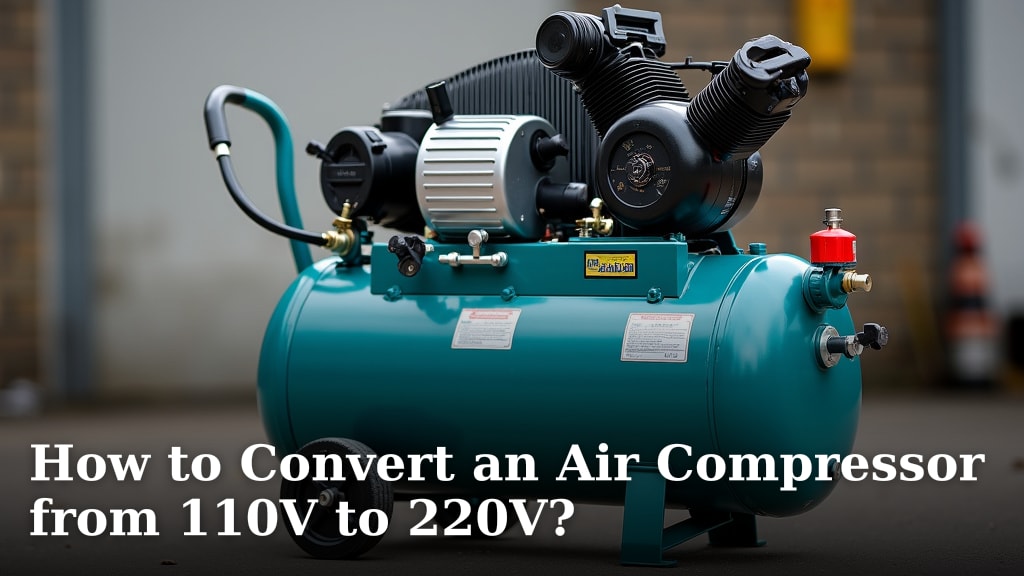
Convert your air compressor from 110V to 220V with this step-by-step guide. Learn what's involved to upgrade your power.
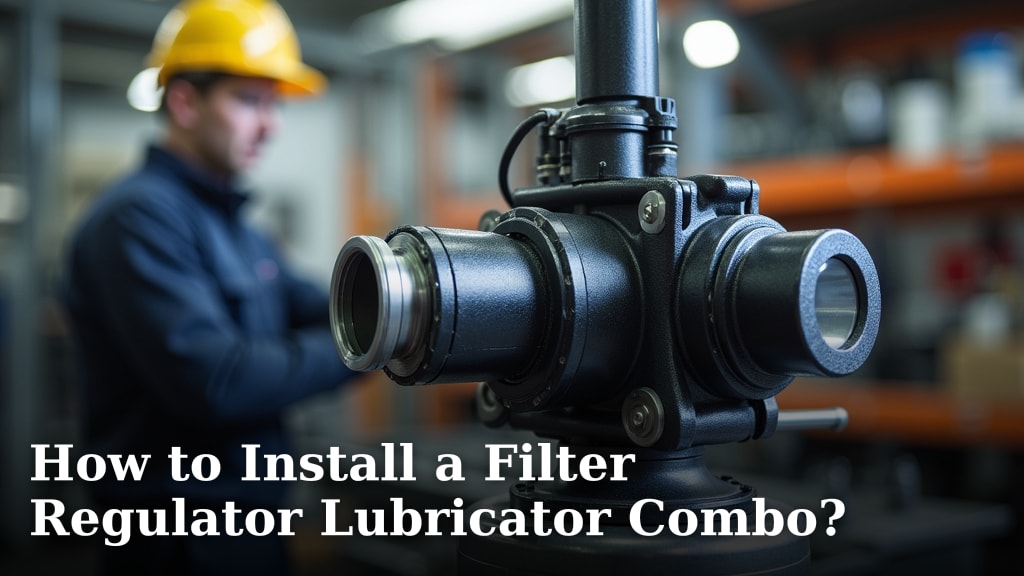
Install a filter regulator lubricator combo: Follow clear steps, learn what tools you need, and check setup and safety before you begin. See what to do next.

Find the top 7 best air compressor oils for summer with our fresh, hands-on guide. Keep your equipment running smoothly all season long.
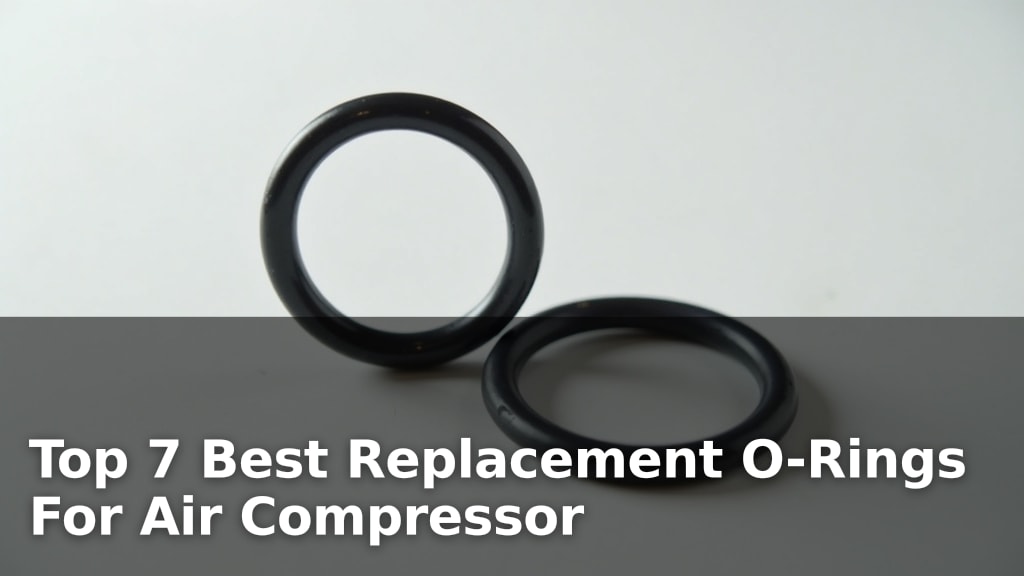
Find the top 7 best replacement o-rings for air compressors. Our fresh, hands-on guide helps you choose the perfect seal for lasting performance.
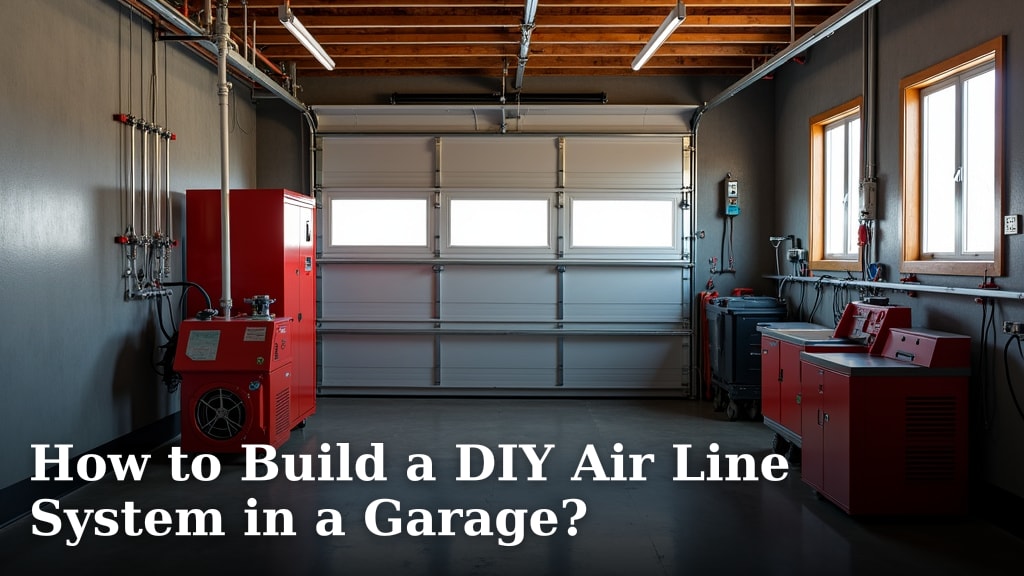
Build a DIY air line system for your garage. Learn step-by-step how to set up efficient air lines for tools and projects.

Learn how to winterize your pool with an air compressor, effectively clearing lines and preventing damage. Get your pool ready for the cold.
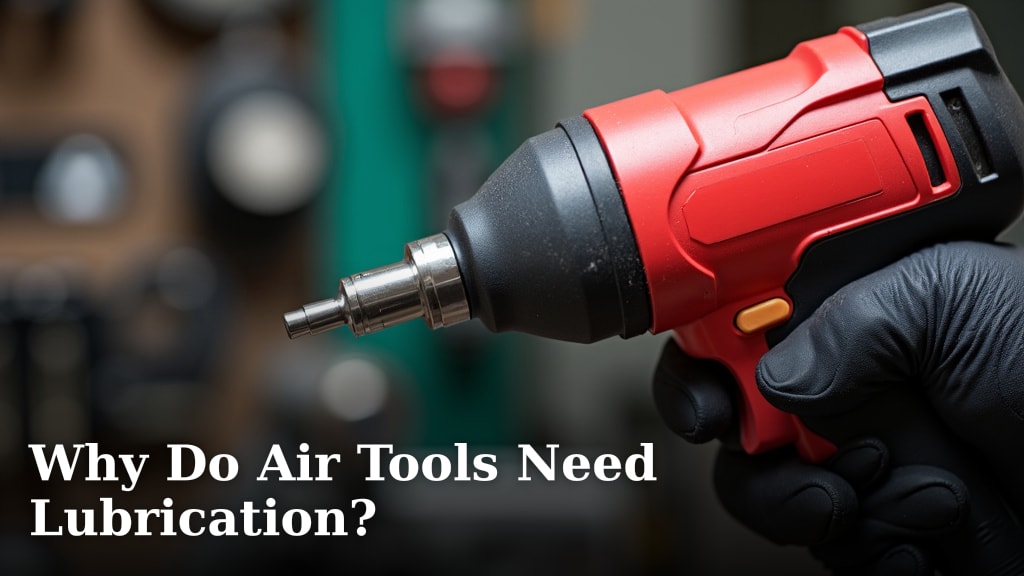
Discover why air tools need lubrication to prevent damage, ensure peak performance, and extend their lifespan. Keep your tools running smoothly.
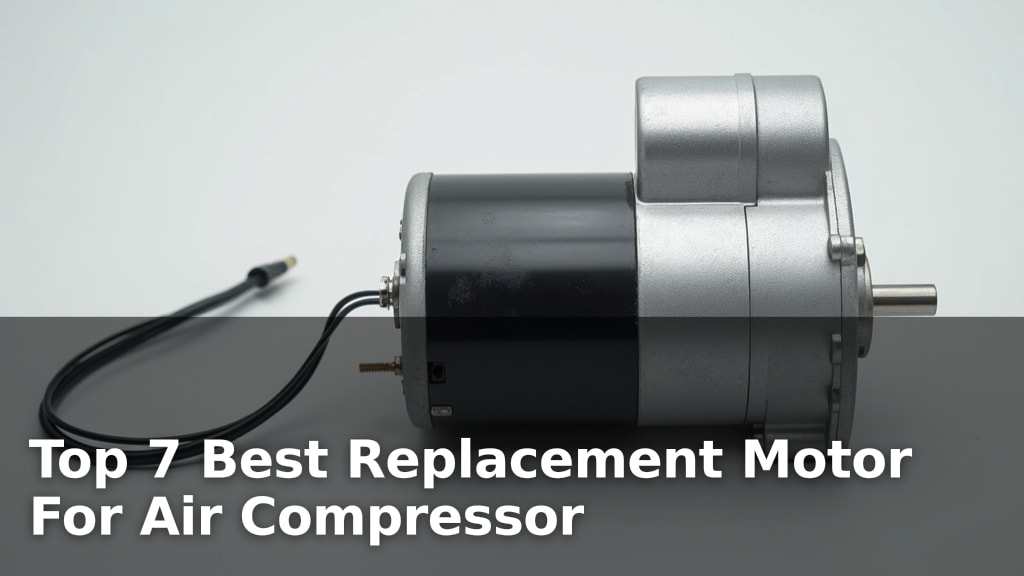
Find the best replacement motor for your air compressor. Our top 7 picks offer a fresh, hands-on look to get your equipment running smoothly again.