Can You Breathe Air From A Compressor?
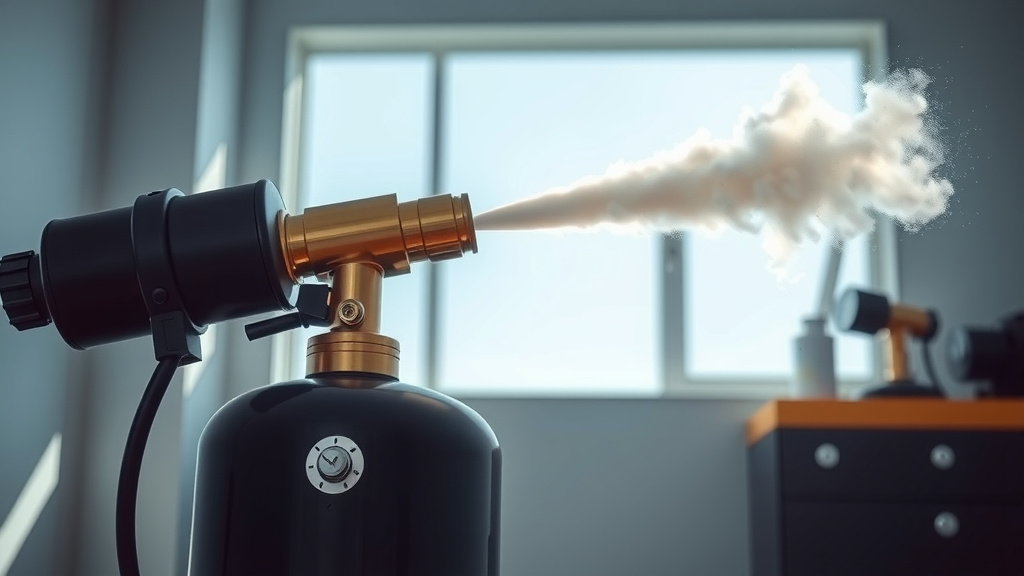
No, you generally cannot breathe air directly from a standard air compressor without specialized filtration and safety equipment.
The air from these machines often contains harmful contaminants like oil, carbon monoxide, and particles, making it unsafe for human respiration.
Here’s a quick overview of why breathing compressor air is risky:
- Standard compressors produce air that is not purified for human lungs.
- You risk inhaling dangerous oils, carbon monoxide, and moisture.
- Even a small amount of contamination can lead to serious health problems.
- Specialized breathing air systems are required to ensure safety.
Can You Breathe Air From A Compressor?
No, you absolutely should not breathe air directly from a standard air compressor. It’s incredibly risky and can pose serious health dangers.
The air produced isn’t safe for human lungs without specific purification systems in place.
Why Standard Compressor Air Is Dangerous
Think of it like this: your car’s engine needs oil, but you wouldn’t want that oil in your drinking water, right? Standard air compressors are built for tasks like powering tools or inflating tires, not for delivering breathable air.
We found that several factors make this air hazardous for breathing. These machines can introduce a mix of elements you definitely don’t want in your lungs.
Hidden Contaminants and Particles
Standard compressors, especially oil-lubricated ones, often introduce tiny oil droplets into the air stream. These aren’t visible but can coat your lungs.
Beyond oil, there can be dust, rust particles from the tank, and even microscopic debris pulled in from the surrounding environment. Breathing these can damage your respiratory system over time.
The Carbon Monoxide Threat
Here’s a silent killer: carbon monoxide (CO). If a compressor operates in an area with exhaust fumes from engines, or if the compressor itself uses a combustion engine, CO can be drawn into the air intake.
Your body absorbs CO much faster than oxygen, and it can be deadly even in small amounts. Many experts say this is one of the gravest risks (OSHA).
Moisture and Its Problems
Compressed air contains a lot of water vapor. While not directly toxic, this moisture can cause problems. It can lead to the growth of bacteria and mold in the air lines and even affect equipment.
For your lungs, too much moisture isn’t ideal, but the real issue is bacterial growth within the system that could then be inhaled.
What Makes Air Safe for Breathing?
To make compressed air safe for breathing, it needs to go through a rigorous purification process. This is where specialized “breathing air systems” come in.
It’s a world away from your average garage compressor. These systems are designed with your safety as the absolute top priority.
The Essential Filtration Process
Safe breathing air comes from multi-stage filtration. We found that these systems use several filters to remove different contaminants sequentially.
This includes filters for particles, oil vapor, and even activated carbon filters to remove odors and other gaseous impurities. Think of it as a super-advanced air purifier for your lungs.
Carbon Monoxide and Oxygen Monitoring
For breathing air applications, constant monitoring is non-negotiable. This means having sensors that continuously check for carbon monoxide levels.
Some systems also monitor oxygen levels, ensuring you’re getting enough to breathe, and not too much, which can also be harmful. This real-time data is critical.
Moisture Removal for Comfort and Safety
Breathing air systems also feature dryers to remove excess moisture. This not only makes the air more comfortable to breathe but also prevents internal corrosion of equipment and inhibits microbial growth.
Dry air also helps prevent issues like regulator freeze-up in cold environments, ensuring consistent air delivery.
Types of Breathing Air Compressors and Systems
When someone needs to breathe compressed air, they rely on specific, purpose-built systems. You won’t find these at your local hardware store.
These systems are designed and regulated to meet stringent safety standards. We found that they fall into a few key categories, each with its own use.
- SCBA Systems: Self-Contained Breathing Apparatus, often used by firefighters, requires extremely pure air, filled by specialized compressors.
- Dive Compressors: For scuba diving, these systems compress air to high pressures, removing contaminants and moisture to ensure safe underwater breathing.
- Supplied-Air Respirators: Used in industrial settings where air is toxic, these systems feed purified compressed air through hoses to masks.
The Regulations That Keep You Safe
Breathing air isn’t just about good intentions; it’s about strict compliance. There are very clear standards from organizations like OSHA and NFPA that dictate air quality.
These regulations specify maximum allowable levels for carbon monoxide, oil, water vapor, and particulate matter. Ignoring them can lead to severe penalties and health crises.
Is Your Compressor Air Breathing Quality? A Checklist
If you’re ever in a situation where you might use compressed air for breathing, consider these critical points. Safety here is paramount.
This checklist can help you quickly assess the situation. Always err on the side of caution. Your health is not worth the risk.
Before considering any compressed air for breathing:
- Is the compressor specifically rated for breathing air?
- Does it have multi-stage filtration?
- Are there active carbon monoxide monitors?
- Has the air been tested recently for quality?
- Are you using a proper breathing apparatus?
- Do you know the source and maintenance history?
Comparing Standard vs. Breathing Air Compressors
Understanding the fundamental differences is key. You can see why one is safe for tools, and the other is safe for lungs.
This table outlines the core distinctions between the two types. It’s not just a small difference; it’s a night and day contrast in purpose and design.
| Feature | Standard Air Compressor | Breathing Air Compressor |
|---|---|---|
| Primary Use | Power tools, inflate tires | Human respiration (diving, firefighting, industrial) |
| Air Quality | Untreated, contains oil, moisture, particles | Purified, filtered, dried, monitored |
| Filtration | Basic or none | Multi-stage (particle, oil, CO, moisture) |
| Monitoring | None | Continuous CO, O2, dew point monitoring |
| Regulations | General safety standards | Strict OSHA, NFPA, CGA breathing air standards |
Conclusion
In short, the answer is a resounding no: you cannot safely breathe air directly from a standard air compressor. The risks of inhaling contaminants like oil, carbon monoxide, and particles are simply too great for your health.
Always remember that only specifically designed and certified breathing air systems, complete with advanced filtration and monitoring, are suitable for human respiration. Prioritizing your safety by understanding these differences is truly the smartest choice you can make.
What are the immediate dangers of breathing unfiltered compressor air?
The immediate dangers include carbon monoxide poisoning, which can be fatal, and irritation of the respiratory tract from oil mists and particulate matter. You could experience dizziness, nausea, headaches, and even unconsciousness rapidly.
Are oil-free compressors safe for breathing air?
While oil-free compressors remove the risk of oil contamination, they still do not produce breathing-quality air on their own. They lack the specialized filtration for carbon monoxide, moisture, and other environmental particles that are essential for human respiration.
How do I know if a compressor is suitable for breathing air?
A compressor suitable for breathing air will be clearly labeled as such and meet specific standards from organizations like OSHA, NFPA, or CGA. It will feature multi-stage filtration, CO monitoring, and usually have a certification from a reputable testing body.
Can I add filters to my standard compressor to make the air breathable?
While you can add filters to a standard compressor, simply attaching aftermarket filters is generally not sufficient to guarantee breathing air quality. A true breathing air system involves a comprehensive design, including specific types of filters, dryers, and critical monitoring equipment for carbon monoxide and oxygen levels.
What are the long-term health effects of inhaling compressor contaminants?
Long-term exposure to compressor contaminants can lead to various chronic health issues. These include respiratory diseases, lung damage, increased risk of cancer from certain chemicals, and damage to other organs from prolonged exposure to toxins.