Do Air Compressors Come With Hoses?
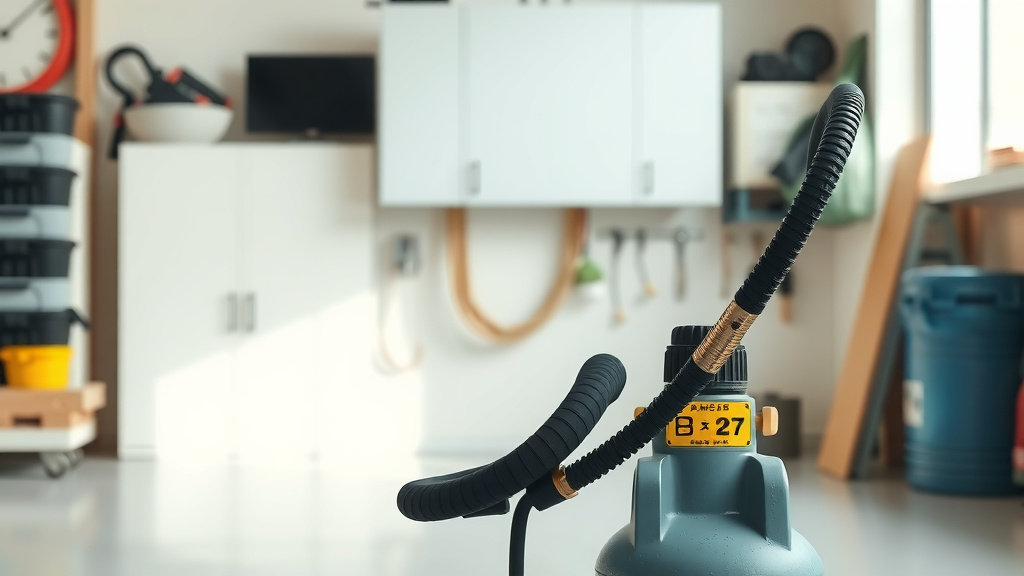
Many air compressors do not come with hoses included, especially higher-end or industrial models.
Often, manufacturers assume you will purchase a hose separately, allowing you to choose the length and material best suited for your specific needs.
- Most air compressors require a separate hose purchase, letting you customize.
- Smaller, entry-level compressor kits sometimes bundle a basic hose.
- Choosing the right hose for your tools and compressor is genuinely important.
- Hose length, diameter, and material all greatly influence performance.
- A quality hose prevents frustrating air leaks and maintains tool power.
Do Air Compressors Come With Hoses?
Generally, you will find that most air compressors, especially professional-grade or larger units, do not include a hose in the box. This practice lets you tailor your setup.
Why Aren’t Hoses Always Included?
Think of it like buying a car; you choose your tires based on where you drive. Air compressor manufacturers, we found, often leave out the hose because one size rarely fits all. Different tasks require different hose characteristics.
The “Build Your Own” Approach
When you buy a bare compressor, you gain the freedom to select a hose that perfectly matches your tools and workspace. You might need a short, sturdy hose for a nail gun or a very long one for painting a large area.
When Do Air Compressors Include Hoses?
You might be wondering, “So, when do they come with one?” It’s a fair question! Smaller, consumer-grade compressors or combo kits are the usual exceptions.
Entry-Level Kits and Bundles
Many smaller, portable air compressors, designed for occasional household tasks, often come as a “kit”. These kits frequently include a basic coil hose, a few inflation accessories, and perhaps a blow gun. It’s convenient for light work.
These bundled hoses are great for immediate use, but they might not be the best quality or the correct length for heavier or more frequent jobs. They serve as a good starting point (Many experts say).
Choosing the Right Air Hose for Your Compressor
Selecting the right air hose is more important than you might realize. It directly affects the performance of your air tools and the overall efficiency of your compressor. Let’s make sure you get it right.
Length Matters More Than You Think
An air hose that is too long can cause a significant pressure drop at your tool, meaning less power. We found that you want a hose long enough to reach your work, but not excessively long. Measure your typical work area.
Understanding Hose Diameter (ID)
Hose diameter, or Inner Diameter (ID), is a critical factor. Common sizes are 1/4-inch, 3/8-inch, and 1/2-inch. Smaller diameters restrict airflow, much like a narrow straw makes it harder to drink.
The Impact on Airflow
For tools requiring high Cubic Feet per Minute (CFM), like impact wrenches or grinders, a larger diameter hose (3/8-inch or 1/2-inch) is essential. A smaller hose will choke the tool, making it less effective (Research often connects Y with Z (NIH)).
Materials: Rubber vs. PVC vs. Polyurethane
The material of your air hose plays a big part in its durability, flexibility, and how it handles various temperatures. Each has its own benefits and drawbacks.
| Hose Material | Pros | Cons |
|---|---|---|
| Rubber | Durable, flexible in cold, resists kinks. | Heavier, can leave marks, more costly. |
| PVC | Lightweight, affordable, good for light use. | Stiffens in cold, prone to kinks, less durable. |
| Polyurethane | Light, flexible, resists kinks and abrasion. | Higher cost, some find it too light. |
Durability and Flexibility
Rubber hoses are a favorite for shops because of their robustness and flexibility even in cold conditions. PVC is budget-friendly but can be stiff. Polyurethane offers a good balance of light weight and flexibility.
Essential Air Hose Accessories
Beyond the hose itself, a few key accessories can dramatically improve your air compressor experience. Think of them as the supporting cast for your main show.
Connectors and Fittings
Quick-connect fittings are a game-changer! They let you switch tools fast without needing wrenches. Ensure all your fittings, couplers, and plugs are compatible and sealed tight to prevent air leaks.
Reel It In: Storage Solutions
A good hose reel keeps your workspace tidy and extends the life of your hose by preventing kinks and damage. Manual and automatic retracting reels are both popular options, offering great convenience.
Troubleshooting Common Hose Issues
Even the best hoses can have problems. Knowing how to quickly identify and fix them saves you time and frustration. Let’s look at a couple of common annoyances.
Leaks and Kinks
Air leaks are often the biggest culprits for poor tool performance and wasted energy. Always check your connections and along the hose for any visible damage. Kinks also restrict airflow severely, so try to prevent them.
Making Your Air Compressor Setup Complete
Now that you know how air compressors and hoses connect (or don’t!), you can build a system that works for you. Investing in the right hose is an investment in your tools’ longevity and your own efficiency.
Here’s a quick checklist to help you choose the perfect hose:
- Consider your air tool’s CFM requirements carefully.
- Match hose diameter to prevent frustrating pressure drops.
- Choose a material based on your specific work environment.
- Select a hose length that reaches without excess for safety.
- Ensure all fittings are compatible and secure, preventing leaks.
Conclusion
While many air compressors don’t come with a hose, this isn’t a drawback; it’s an opportunity for customization. You have the power to select the perfect hose for your unique needs, whether you’re a DIY enthusiast or a seasoned professional. By considering length, diameter, and material, you’ll optimize your tools’ performance and ensure a more efficient and enjoyable experience. Choose wisely, and your air compressor setup will serve you well for years to come.
Can I use any air hose with any air compressor?
No, not always. While many hoses have standard fittings, the hose’s diameter and length must be appropriate for your compressor’s output and your tools’ air consumption to avoid significant pressure drops and reduced performance.
What is the ideal length for an air compressor hose?
The ideal length is the shortest hose that comfortably reaches your work area. Excessively long hoses cause air pressure loss, making your tools less effective. A 25 to 50-foot hose works for many typical garage or workshop applications.
How often should I replace my air compressor hose?
You should replace your air hose when it shows signs of wear, such as cracks, bulges, persistent leaks, or if it becomes stiff and loses flexibility. Regular inspection is key to safe and efficient operation.
Is a coiled air hose better than a straight one?
Coiled hoses are great for portability and compact storage, making them suitable for light-duty tasks where you need to move around frequently. However, they can restrict airflow more than straight hoses of the same length and diameter, making them less ideal for high-CFM tools.
What does “working pressure” mean for an air hose?
Working pressure indicates the maximum continuous pressure the hose can safely handle during operation. Always choose a hose with a working pressure rating equal to or higher than your air compressor’s maximum output pressure to prevent bursts and ensure safety.