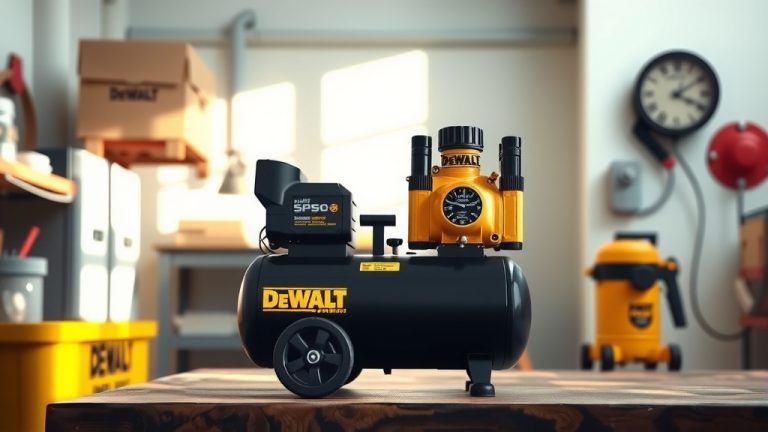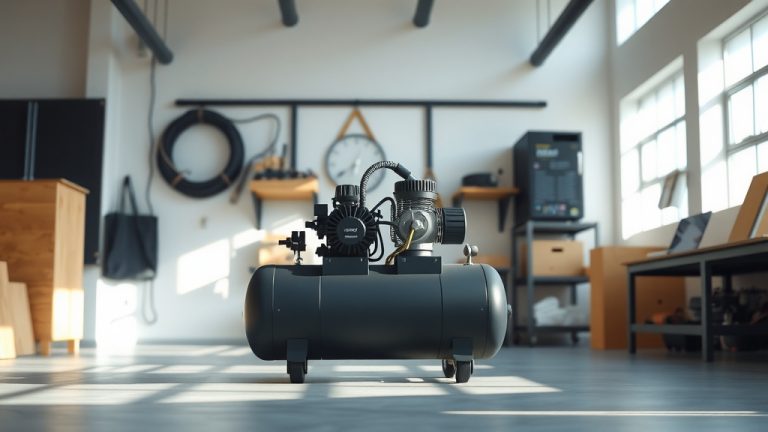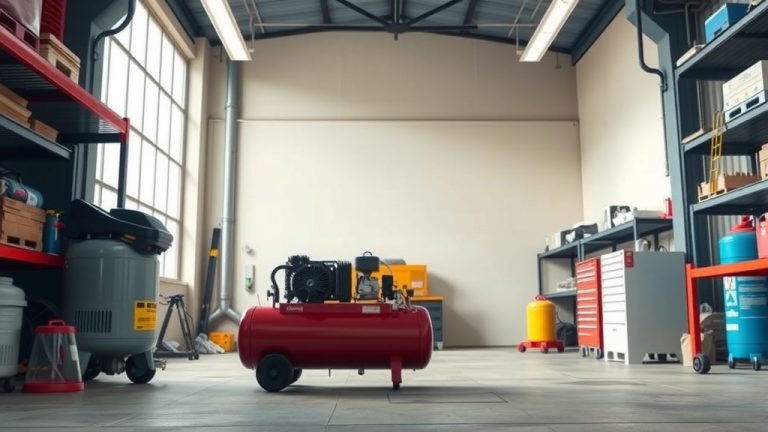
What Pipe To Use For Air Compressor?
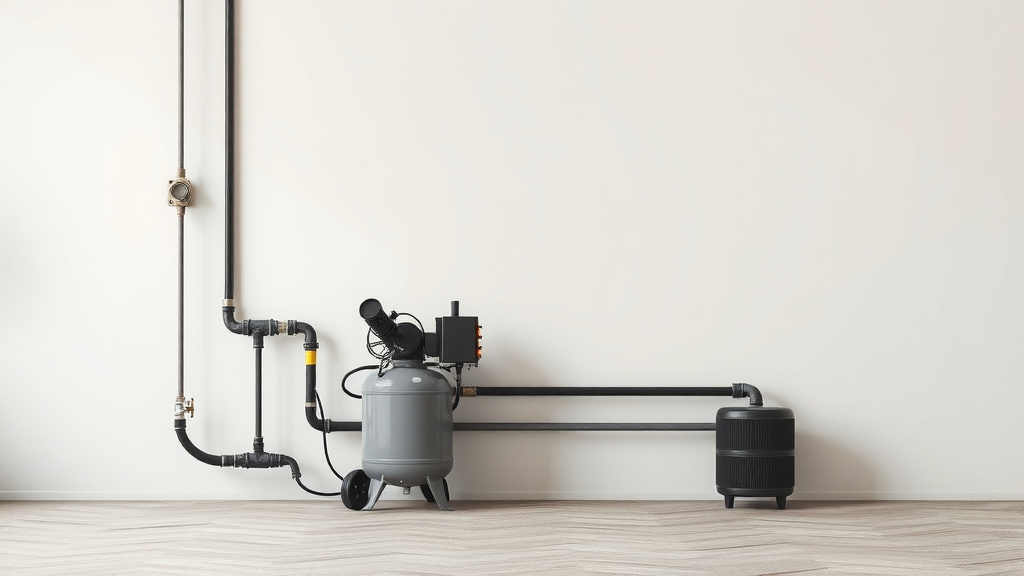
For most air compressor systems, the best pipe to use is typically made from a material like aluminum, copper, or a specialized reinforced polymer. Your choice often depends on your specific application and pressure needs.
These materials provide excellent durability, corrosion resistance, and safety for delivering compressed air efficiently throughout your workspace.
Here’s a quick overview of what you’ll learn:
- Choosing the right piping material is essential for safety and efficiency.
- Aluminum, copper, and PEX are popular and effective options.
- Avoid materials like PVC and garden hoses for permanent air lines.
- Proper installation and system design are just as important as material choice.
- Considering pressure, temperature, and environment will guide your decision.
What Pipe To Use For Air Compressor?
When setting up your air compressor system, you should typically consider using piping made from aluminum, copper, or PEX. These materials offer the best balance of safety, durability, and performance for delivering compressed air.
Why Picking the Right Pipe is Crucial
Choosing the correct pipe for your air compressor isn’t just about getting air from point A to point B. It’s about safety, efficiency, and longevity. The wrong material can lead to costly leaks, system breakdowns, or even dangerous pipe ruptures (OSHA guidelines often highlight this).
You want a system that’s reliable and won’t cause headaches. Think of it like building a house; you wouldn’t use cardboard for the foundation, right? The same goes for your compressed air setup.
Recommended Materials for Your Air System
Let’s dive into the materials that we consistently found to be the top choices for air compressor piping. Each has its own strengths, so you can pick what’s best for your situation.
Aluminum Piping: Lightweight and Modern
Aluminum is a fantastic choice for many workshops and industrial settings. It’s lightweight, easy to install, and incredibly resistant to corrosion, which means no rust flakes getting into your tools. Many experts say aluminum systems offer excellent airflow.
Installation is often a breeze because it uses simple fittings and doesn’t require welding. You can typically run aluminum lines yourself with some basic tools.
Copper Piping: Durable and Trusted
Copper has been a go-to for compressed air lines for a long time. It’s **highly durable and corrosion-resistant**, providing a clean air supply. Research often connects copper with long-lasting, reliable performance (ASHRAE guidelines).
It can handle high temperatures and pressures well. However, installing copper usually requires soldering or specialized press fittings, which can be more involved than aluminum or PEX.
PEX Tubing: Flexible for Home Shops
PEX (cross-linked polyethylene) is a newer player in the air line game, especially for smaller shops or home garages. It’s very flexible, affordable, and easy to work with.
PEX won’t corrode and resists condensation buildup. However, make sure you choose PEX with appropriate pressure and temperature ratings for compressed air, as not all PEX is created equal. We found that reinforced PEX is usually the best option.
Black Iron Pipe: Industrial Strength
Black iron pipe is a very strong and traditional choice, often seen in older, heavy-duty industrial settings. It’s **exceptionally durable and robust**, able to withstand high pressures.
The main downsides are its weight, susceptibility to internal rust (which can contaminate your air), and more complex installation requiring threading. It’s a solid, old-school option, but often less convenient than modern alternatives.
Materials You Must AVOID for Safety
Just as there are good choices, there are materials you absolutely should not use for your air compressor lines. This is a matter of safety, not just preference.
The Dangers of PVC
You might be tempted by the low cost of PVC (polyvinyl chloride) pipe. Please don’t use it for compressed air. **PVC is extremely dangerous** under pressure.
When PVC fails, it can shatter into sharp, fast-moving shrapnel. It doesn’t just crack; it explodes. This poses a severe risk of injury, and many industry safety manuals strictly forbid its use for compressed air.
Temporary Hoses Are Not Permanent Solutions
Flexible rubber or vinyl garden hoses are great for connecting tools over short distances or temporary tasks. But for a **permanent air line system**, they’re not suitable.
These hoses can degrade over time, develop leaks, or burst under constant pressure. They also introduce more pressure drop and reduce efficiency. Save them for quick jobs, not your main system.
How to Size Your Air Compressor Piping
The material isn’t the only thing to consider; pipe size also matters significantly. You want enough air reaching your tools without losing power.
Understanding Pressure Drop
Think of it like a highway: if there are too many cars on a small road, traffic slows down. Similarly, if your pipe is too narrow, the air flow is restricted, leading to **pressure drop**. This means less power at your tools.
Many experts recommend sizing your pipe based on the compressor’s CFM (cubic feet per minute) output and the total length of your air line. A slightly larger pipe is often better than one that’s too small, as it ensures **consistent air delivery**.
Other Critical Factors to Consider
Beyond material and size, a few more aspects will influence your final decision and system setup.
Environmental Conditions
Where will your air lines be installed? Are they indoors or outdoors? Will they be exposed to extreme temperatures, moisture, or corrosive chemicals? **These conditions impact material choice.** For example, outdoor lines need excellent weather and UV resistance.
Pressure Ratings and Safety Standards
Always check the maximum pressure rating of any pipe and fitting you consider. It must be significantly higher than your compressor’s maximum output pressure. **Safety is always paramount**, and adhering to industry standards prevents accidents.
Installation Process and Costs
Consider the ease of installation. Do you plan to do it yourself, or hire a professional? Some materials, like aluminum, are DIY-friendly. Others, like black iron, might require special tools and expertise, impacting your **overall project budget**.
Pipe Material Comparison Chart
Here’s a quick overview to help you compare your options:
| Material | Pros | Cons | Typical Use |
|---|---|---|---|
| Aluminum | Lightweight, corrosion-resistant, easy install. | Higher upfront cost than PEX. | Workshops, small to medium industrial. |
| Copper | Durable, very reliable, clean air. | More complex installation, higher cost. | Industrial, professional shops. |
| PEX | Flexible, affordable, easy for DIY. | Lower pressure/temp limits (check ratings). | Home garages, small workshops. |
| Black Iron | Very strong, high pressure capacity. | Heavy, rusts internally, difficult install. | Heavy industrial (less common now). |
| PVC | None (DO NOT USE). | Explodes under pressure, very dangerous. | Never for compressed air. |
Your Pre-Installation Checklist
Before you commit to a piping system, run through this quick checklist to ensure you’re making the best decision for your needs:
- Have you checked your **compressor’s CFM and max PSI**?
- Do you know the **total length of your planned air lines**?
- Have you considered the **environmental conditions** (temperature, humidity)?
- Are you comfortable with the **installation process** for your chosen material?
- Have you factored in **all costs**, including fittings and tools?
- Is safety your **absolute top priority**? (It should be!)
Conclusion
Choosing the right pipe for your air compressor is a critical decision that impacts safety, efficiency, and the longevity of your system. While aluminum, copper, and PEX are excellent choices, understanding their unique properties will help you match them to your specific needs.
Remember to always prioritize safety by avoiding unsuitable materials like PVC. By carefully considering factors like material, size, and environment, you can build a **reliable and high-performing compressed air system** that serves you well for years to come.
Frequently Asked Questions
Does pipe material affect air compressor performance?
Yes, absolutely. The pipe material directly influences airflow and can cause pressure drops if it’s too restrictive or has rough internal surfaces. Corrosion-resistant materials also prevent internal contamination, which keeps your tools running smoothly and efficiently.
Can I mix different pipe materials in my air compressor system?
While technically possible with appropriate adapters, it’s generally best to stick to one type of material for your main air lines. Mixing can introduce compatibility issues, different thermal expansion rates, and potential weak points, increasing the risk of leaks or failures. Consistency often leads to a more robust system.
How important is air dryer installation with certain pipes?
An air dryer is crucial for nearly any compressed air system, regardless of pipe material. It removes moisture, which can cause rust in black iron pipes, degrade seals, and damage tools. Even corrosion-resistant pipes benefit from dry air to prevent condensation buildup and maintain air purity.
What is the ideal pressure for air compressor pipes?
The ideal pressure for your pipes is determined by the maximum output pressure of your air compressor and the needs of your tools. However, the pipes themselves must always be rated for a much higher pressure than your system will ever operate at. A good rule of thumb is to choose pipes rated for at least 1.5 to 2 times your maximum operating pressure for a strong safety margin.
How do I prevent condensation in my air compressor piping?
Preventing condensation involves several steps. Using an air dryer is key to removing moisture at the source. Additionally, installing your air lines with a slight downward slope towards drain points and installing drip legs at key locations will help collect and remove any remaining moisture before it reaches your tools. Good ventilation in your compressor area also helps.