
How Often Should An Air Compressor Cycle?
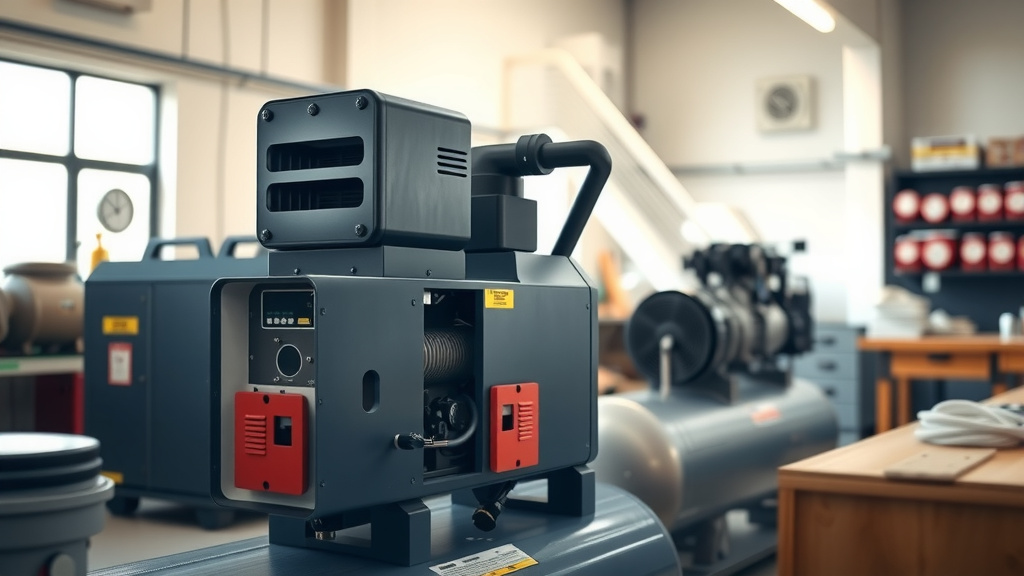
An air compressor’s ideal cycle rate varies, but a good rule of thumb is that it should not cycle on and off more than 4-6 times per hour during active use. Too frequent or too infrequent cycling can indicate issues or lead to premature wear and energy waste for your air compressor.
- A compressor cycling too often might suggest a leak or oversized unit.
- Infrequent cycling could mean the compressor struggles to meet demand.
- Optimal cycling saves energy and extends your compressor’s lifespan.
- Check for air leaks, proper pressure settings, and appropriate tank size.
- Regular maintenance helps ensure your compressor operates efficiently.
How Often Should An Air Compressor Cycle?
Your air compressor’s cycle rate is important for its health and efficiency. Generally, a healthy compressor should cycle on and off no more than 4-6 times an hour when actively working.
Understanding the “Cycle”
When we talk about an air compressor’s cycle, we mean the period it takes to turn on, build pressure, and then turn off. This process happens repeatedly as you use your air tools. It’s like your heart beating; it has a rhythm.
What’s a Short Cycle?
A short cycle means your compressor kicks on and off very frequently. Imagine it running for a minute, stopping, then starting again a minute later. This often points to a problem like an air leak or an undersized tank for your demand.
What’s a Long Cycle?
A long cycle means the compressor runs for extended periods without stopping. While this might seem good, it could mean the compressor struggles to keep up. It might also suggest a large air demand that tests its limits.
Why Does Cycling Matter?
The rhythm of your compressor’s cycling directly impacts its performance and longevity. Ignoring it can lead to bigger problems down the road. You want a steady, predictable rhythm.
Preventing Overheating
Frequent, short cycling can cause your compressor motor to constantly start and stop. This rapid on-off action generates a lot of heat, which can quickly lead to motor burnout. Think of it like constantly revving a car engine.
Saving Energy
Every time your compressor starts, it uses a surge of electricity. If it’s cycling too often, you’re paying for those frequent surges. An efficient cycle rate means less wasted energy and lower utility bills for you (U.S. Department of Energy).
Extending Compressor Life
The internal components, like the motor and pump, experience wear and tear with each start and stop. An optimal cycling pattern reduces this stress, helping your compressor last much longer. We found that consistent operation without extremes is key.
Factors Affecting Your Compressor’s Cycle Rate
Several things can influence how often your air compressor cycles. Understanding these helps you diagnose and fix issues. It’s like being a detective for your own equipment.
Tank Size and Air Demand
A smaller tank paired with high air demand will make your compressor work harder and cycle more often. Conversely, a large tank with low demand will see less cycling. It’s about matching supply to your needs.
Pressure Switch Settings
Your compressor’s pressure switch determines when it turns on (cut-in pressure) and off (cut-out pressure). If these settings are too close, the compressor will cycle more frequently. Adjusting this pressure differential can make a big difference.
Air Leaks
Even small air leaks can cause your compressor to cycle more than it should. The air escapes, and the compressor tries to replace it. Many experts say that air leaks are a common culprit for excessive cycling (Compressed Air Best Practices Magazine).
Environmental Conditions
Extreme heat can make your compressor work harder to cool down, potentially affecting cycle times. Cold weather can also impact performance. Always ensure your compressor operates in a well-ventilated area.
Ideal Cycling: A Balancing Act
Finding the perfect balance is crucial. You want your compressor to cycle enough to maintain pressure but not so much that it causes undue wear. Think of it as finding the “sweet spot.”
Here’s a general guide for understanding typical compressor cycling:
| Cycle Type | Description | Impact |
|---|---|---|
| Too Frequent | Many starts/stops per hour | Increased wear, overheating, high energy use |
| Just Right | 4-6 cycles per hour during use | Efficient operation, extended lifespan, energy savings |
| Too Infrequent | Runs constantly or rarely stops | Could indicate undersized unit or high demand |
This table gives you a quick visual reference. We found that compressors designed for intermittent use will cycle more than continuous-duty models.
Troubleshooting Frequent Cycling
If your air compressor seems to be cycling too often, don’t fret! There are practical steps you can take to identify and fix the problem. Here’s a quick checklist:
- Check for Leaks: Listen for hissing sounds. Use soapy water on connections to find bubbles.
- Adjust Pressure Switch: Widen the pressure differential if it’s too narrow.
- Inspect for Damage: Look for loose fittings, worn hoses, or damaged seals.
- Verify Tank Size: Ensure your tank is appropriate for your tools’ air requirements.
- Consider Air Dryer Issues: If you have a dryer, check its operation, as it can also contribute to air loss.
Addressing these points can often solve frequent cycling issues, saving you both money and headaches. Many guidelines point to leak detection as a top priority (OSHA).
Conclusion
Monitoring your air compressor’s cycle rate is a simple yet powerful way to ensure its efficiency and longevity. By understanding why it cycles, and what factors influence it, you can take proactive steps. Remember, a healthy compressor has a steady rhythm, not a frantic pace. If you notice it’s cycling too often or too little, investigating promptly can prevent bigger, more costly repairs down the line. Caring for your compressor means it will care for your tools for years to come.
What is considered short cycling for an air compressor?
Short cycling typically means your air compressor turns on and off very frequently, often every few minutes or even seconds, without building significant pressure or running for a reasonable duration. This often points to an air leak or the compressor being improperly sized for the demand.
Can a small air leak cause an air compressor to cycle frequently?
Yes, absolutely. Even small, seemingly insignificant air leaks can cause your air compressor to cycle much more frequently than it should. The constant loss of air pressure forces the compressor to continually kick on to replenish the lost volume, leading to excessive starts and stops.
How do I adjust the pressure switch on my air compressor to optimize cycling?
To optimize cycling, you can adjust the cut-in and cut-out pressure settings on your air compressor’s pressure switch. You want a wide enough “differential” (the difference between cut-in and cut-out pressure) to prevent rapid cycling. Always consult your compressor’s manual for specific adjustment instructions and safety precautions.
What’s the difference between an air compressor’s cut-in and cut-out pressure?
The cut-in pressure is the minimum pressure point at which your air compressor automatically turns on to start refilling the tank. The cut-out pressure is the maximum pressure point at which the compressor automatically turns off, indicating the tank is full. These two settings define the operating pressure range of your compressor.
Does the size of my air tank affect how often my compressor cycles?
Yes, the size of your air tank significantly impacts cycling frequency. A larger tank provides more stored air, meaning your compressor will run less often to maintain pressure. Conversely, a smaller tank will cause the compressor to cycle more frequently, especially when using high-demand air tools.
