
What Are Air Compressor Tanks Made Of?
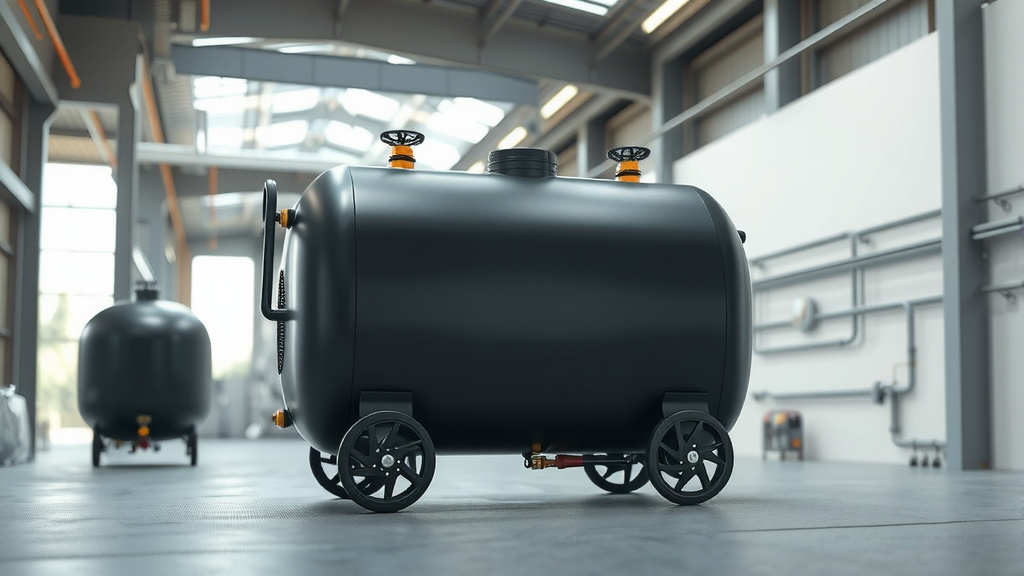
Air compressor tanks are primarily constructed from various types of steel, engineered to withstand high internal pressures safely.
Most commonly, you’ll find air compressor tanks made of carbon steel, chosen for its strength, durability, and cost-effectiveness in pressure vessel applications.
TL;DR:
- Air compressor tanks are typically made from sturdy steel, especially carbon steel.
- This material offers the strength needed to hold pressurized air safely.
- Some specialized tanks might use aluminum for a lighter design.
- Internal coatings are often applied to prevent rust and corrosion from moisture.
- Regular draining and maintenance are crucial to keep your tank safe and working well.
What Are Air Compressor Tanks Made Of?
Air compressor tanks are most commonly made from various grades of steel, particularly carbon steel, because of its excellent strength and ability to contain high internal pressures safely.
You’ll find that tank construction prioritizes durability and safety above all else, often using materials tested to rigorous standards.
Why Tank Material Matters So Much
Imagine holding a balloon filled with air. Now imagine that air is under immense pressure, many times stronger than your car tires.
That’s why the material for an air compressor tank isn’t just a casual choice; it’s about safety and reliability.
The right material must endure constant pressure fluctuations and resist fatigue over time.
The Role of Steel in Air Tanks
Steel is a champion when it comes to containing pressure. It offers a fantastic balance of strength, ductility, and cost.
This means it can handle the stress of thousands of pounds per square inch (psi) and still be manufactured affordably for everyday use.
Many experts agree that steel is the go-to material for most industrial and home workshop air compressor tanks.
Understanding Carbon Steel Tanks
When we talk about air compressor tanks, carbon steel is the undisputed king. It’s a workhorse material, well-suited for pressure vessel construction.
This type of steel balances tensile strength with affordability, making it a practical choice for most applications (Industry standards).
You’ll see it in everything from small portable units to large stationary compressors.
High-Strength Steel: A Premium Choice
For more demanding applications, or larger industrial air compressor tanks, manufacturers sometimes opt for higher-grade or alloy steels.
These steels offer even greater tensile strength and fatigue resistance. Think of them as the heavy-duty version, built for extreme conditions.
They can support higher pressures or offer a longer lifespan in harsh environments, but often come at a greater cost.
Are Aluminum Tanks Common?
While less common for standard industrial or workshop compressors, aluminum air tanks do exist. They serve a specific niche.
You might encounter them in portable air setups, particularly for vehicles or applications where weight is a major concern.
Aluminum offers excellent corrosion resistance and is significantly lighter than steel.
When You Might See Aluminum Tanks
Due to their lighter weight, aluminum tanks are often found in racing applications, specialized HVAC service trucks, or even scuba diving tanks.
They are fantastic for portability, but they typically have lower pressure ratings or come with a higher price tag compared to their steel counterparts.
Many experts say that while aluminum is great for weight, steel still reigns for sheer strength in typical air compressor uses.
The Inner Life: Linings and Coatings
What’s on the inside of the air compressor tank is just as important as the outside. Air compressors generate moisture as a byproduct of compressing air.
This moisture can gather inside the tank, becoming a prime cause for internal rust and corrosion.
Rust weakens the tank walls, posing a serious safety risk over time.
Why Internal Coatings Are Essential
To combat this internal threat, many air compressor tanks feature special linings or coatings on their interior.
These coatings act as a protective barrier, preventing water from directly touching the steel (Manufacturers’ recommendations).
This simple addition dramatically extends the tank’s lifespan and maintains its structural integrity.
How Air Tanks Are Built
Building an air compressor tank is a precise process, much like crafting a strong metal bottle.
The steel is formed into shape, usually cylindrical, and then the ends are welded on to create a sealed vessel.
This construction must be flawless to contain the powerful forces at play inside.
Welding and Pressure Testing
Welding is a critical step; any weaknesses could spell disaster. Skilled welders join the tank components, forming seamless, high-strength bonds.
After assembly, every tank undergoes rigorous pressure testing, often exceeding its maximum rated pressure.
This ensures the tank can safely handle the demands you place on it during operation (ASME standards).
Factors Affecting Tank Life
Even with the strongest materials, several factors can influence how long your air compressor tank lasts.
Moisture, inadequate draining, and physical damage are common culprits that shorten a tank’s usable life.
Understanding these can help you prolong your investment and keep operations safe.
Here’s a quick overview of common air tank materials:
| Tank Material | Primary Use | Key Advantage |
|---|---|---|
| Carbon Steel | General industrial, workshop | High strength, cost-effective |
| High-Strength Steel | Demanding industrial, large volume | Superior durability, pressure handling |
| Aluminum | Portable, specialty applications | Lightweight, corrosion resistance |
Safety Standards and Regulations
Air compressor tanks are not just simple containers; they are regulated pressure vessels. This means strict safety standards apply to their design, manufacture, and use.
These regulations are in place to protect users from potential hazards, like tank ruptures, which can be extremely dangerous.
Always check for certifications when purchasing a new air compressor.
ASME Certification: What It Means
One of the most recognized certifications is from the American Society of Mechanical Engineers (ASME). An ASME stamp means the tank meets specific safety and construction codes.
This stamp assures you that the tank has been designed, constructed, and tested according to stringent guidelines (ASME Boiler and Pressure Vessel Code).
Looking for this certification is a smart step to ensure your safety.
Here’s a checklist to help extend your air compressor tank’s life:
- Regularly drain condensation from the tank after each use.
- Inspect for external rust, dents, or signs of weakening.
- Check and test the pressure relief valve often.
- Never, ever exceed the tank’s stated maximum pressure rating.
- Store your air compressor in a dry, protected environment.
- Follow the manufacturer’s recommended maintenance schedule.
Conclusion
Knowing what air compressor tanks are made of helps you appreciate the engineering behind these essential tools. Primarily, carbon steel reigns supreme, offering the perfect blend of strength, reliability, and cost-efficiency for most applications.
While aluminum steps in for lightweight, specialized needs, the core principles of safety through robust material and construction remain the same. Regular maintenance, especially draining moisture, is your best friend in keeping your tank safe and extending its life. Always look for certifications like ASME to ensure your air compressor tank meets the highest safety standards.
What causes air compressor tanks to rust from the inside?
Air compression naturally creates condensation, meaning water vapor turns into liquid water inside the tank. This trapped moisture, sitting against the metal, is the primary cause of internal rust and corrosion in air compressor tanks.
Can I paint the inside of my air compressor tank to prevent rust?
Painting the inside of an existing tank is generally not recommended by experts. The tank needs specialized internal coatings applied during manufacturing to ensure proper adhesion and chemical resistance. A DIY paint job can flake off, creating debris and offering inadequate protection.
How often should I drain my air compressor tank?
It’s generally recommended to drain your air compressor tank after every use, or at least daily if you use it frequently. This practice removes accumulated moisture, significantly slowing down internal rust formation and extending the tank’s safe lifespan.
Is it safe to repair a leaking air compressor tank?
Repairing a leaking air compressor tank, especially with welding, is highly discouraged. A tank is a pressure vessel, and any structural compromise or amateur repair can lead to catastrophic failure. It is much safer to replace a leaking or damaged tank than attempt a repair.
How can I tell if my air compressor tank is becoming unsafe?
Look for visible signs like excessive external rust, dents, bulges, or hairline cracks on the tank surface. If your pressure relief valve isn’t working correctly or if the tank shows signs of weeping air, these are also serious indicators that your tank might be unsafe and needs professional inspection or replacement.
