
What Are The Parts Of Air Compressor?
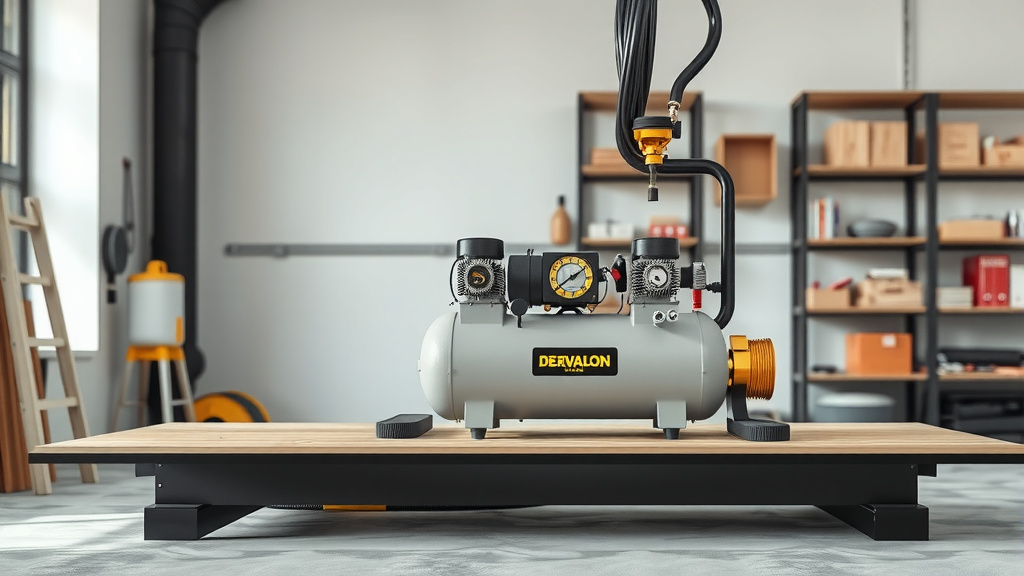
The core parts of an air compressor include the compressor pump, motor, air tank, pressure switch, and regulator. These components work together to efficiently compress and store air for your tools.
Understanding the various air compressor parts helps you maintain your unit, troubleshoot issues, and ensure optimal performance for any task you tackle.
Here’s a quick overview of what you’ll discover about air compressor parts:
- Most air compressors rely on a pump, motor, and air tank as their primary components.
- Safety features like pressure switches and safety valves are essential for safe operation.
- Air treatment parts, such as filters and drain valves, keep your air clean and dry.
- Knowing each part helps with better maintenance and troubleshooting common problems.
- Regular checks on these components extend your compressor’s lifespan and efficiency.
What Are The Parts Of Air Compressor?
An air compressor consists of several key components working in harmony to convert power into pressurized air, including the pump, motor, air tank, and various control mechanisms. Thinking about it, it’s like a specialized machine orchestra.
The Compressor Pump: The Heart of the System
This is arguably the most vital part of any air compressor. The pump draws in ambient air and then compresses it, pushing it into the storage tank. We found that the pump determines the compressor’s overall capacity and how quickly it can fill the tank.
Many experts say that proper pump maintenance is crucial for longevity (Compressed Air & Gas Institute).
Piston Pumps vs. Rotary Screw Pumps
There are different types of pumps. Piston pumps use pistons to compress air in a cylinder, much like a car engine. Rotary screw pumps use two rotating helical screws to trap and compress air. Your choice often depends on your specific needs, like continuous operation versus intermittent use.
The Motor: The Powerhouse
Every air compressor needs a motor to drive the pump. This can be an electric motor or a gasoline engine. The motor’s size dictates how much power is available to compress the air.
An oversized motor wastes energy, while an undersized one will struggle. It’s all about finding that right balance for efficiency.
The Air Tank: The Storage Unit
Once air is compressed, it needs somewhere to go, right? That’s where the air tank comes in. It stores the pressurized air until you’re ready to use it. This storage allows for a constant supply of air, even when the pump isn’t actively running.
Many guidelines emphasize that the tank size impacts run-time and how frequently the compressor cycles (OSHA).
The Pressure Switch: The Brains Behind the Operation
The pressure switch acts as the “brain” of your compressor. It monitors the air pressure inside the tank. When the pressure drops below a set point, the switch tells the motor to turn on and start compressing air again. When it reaches maximum pressure, it shuts the motor off. This automatic function is incredibly helpful.
The Regulator: Controlling the Flow
While the tank might hold air at 150 PSI, your tools might only need 90 PSI. That’s where the regulator steps in. It allows you to adjust the output air pressure to match the requirements of your specific tools. This protects your tools and helps you avoid over-pressurization.
Gauges: Your Information Hub
Air compressors usually have two gauges. One shows the pressure inside the tank, and the other displays the regulated output pressure. These gauges provide vital information, letting you know how much air you have and what pressure you’re delivering to your tools. Are you working at optimal pressure? The gauges will tell you!
Safety Valve: The Essential Protector
Think of the safety valve as an important safeguard. If the pressure switch ever fails and the tank pressure climbs too high, this valve automatically opens. It releases excess pressure, preventing dangerous over-pressurization. We found that a functioning safety valve is non-negotiable for safe operation (National Fire Protection Association).
Check Valve: The One-Way Gate
The check valve is a simple yet effective component. It sits between the pump and the air tank, allowing compressed air to flow into the tank but preventing it from flowing back to the pump. This ensures that the tank pressure is maintained when the pump is off and helps the motor restart more easily.
Air Filter: Breathing Clean
The air filter is usually located at the air intake of the pump. Its job is to remove dust, dirt, and other particles from the air before it enters the compressor. This protects the internal components of the pump and helps ensure that the air you’re compressing is as clean as possible.
Drain Valve: Keeping Things Dry
Air compression naturally creates condensation, which accumulates as water in the air tank. The drain valve, usually at the bottom of the tank, lets you remove this moisture. Draining your tank regularly prevents rust and corrosion, extending the life of your compressor and ensuring cleaner air for your tools.
Hoses and Couplers: The Connectors
These external parts connect your tools to the compressor. Hoses deliver the compressed air, and couplers provide quick, easy connections and disconnections for your air tools. Selecting the right hose diameter and length is important for maintaining optimal air pressure at the tool.
How These Parts Work Together for You
Imagine your air compressor working like a team. The motor powers the pump, which pulls in air through the filter. The pump compresses this air and sends it through the check valve into the air tank for storage. The pressure switch monitors the tank pressure, telling the motor when to start and stop. When you need air, you connect a tool via a hose and coupler, and the regulator ensures you get the right pressure. All the while, the safety valve stands ready for emergencies, and the drain valve helps you manage moisture.
Quick Look at Key Compressor Parts and Their Functions
| Air Compressor Part | Primary Function |
|---|---|
| Compressor Pump | Compresses ambient air into high-pressure air. |
| Electric Motor / Engine | Provides power to the compressor pump. |
| Air Tank | Stores the compressed air for later use. |
| Pressure Switch | Turns the motor on/off based on tank pressure. |
| Regulator | Adjusts the output air pressure for connected tools. |
| Safety Valve | Releases excess pressure to prevent tank overfill. |
Maintaining Your Air Compressor Parts for Peak Performance
Knowing the parts helps you troubleshoot. For example, if your compressor runs constantly, you might check the pressure switch or for air leaks. If your tools aren’t getting enough power, you might check the regulator or your hoses. Many experts found that routine inspections extend lifespan (Power Tool Institute).
Essential Components for Regular Checks:
- Air Filter: Replace or clean regularly to ensure clean air intake.
- Drain Valve: Empty the tank of condensation daily after use.
- Hoses and Couplers: Inspect for cracks, leaks, or wear.
- Oil Level (if applicable): Check and change compressor oil as recommended.
- Belts (if applicable): Ensure proper tension and check for wear.
Your Air Compressor Parts Checklist:
When you’re checking your air compressor, here’s a quick list to guide you:
- Is the air filter clean and free of debris?
- Did you drain the water from the tank recently?
- Are all hose connections secure and leak-free?
- Are the pressure gauges reading correctly?
- Does the safety valve appear unobstructed?
- Is the motor running smoothly without unusual noises?
Conclusion
Understanding the individual parts of your air compressor makes you a smarter owner. It helps you keep your equipment running smoothly, safely, and efficiently. Each component, from the hardworking pump to the humble drain valve, plays a specific and crucial role. By taking a moment to appreciate these parts, you’ll be better equipped to maintain your compressor, troubleshoot minor issues, and get the most out of your investment for years to come. Isn’t it empowering to know your tools inside and out?
How often should I drain the air compressor tank?
It’s generally recommended to drain the air compressor tank daily or after each use. This prevents moisture buildup, which can lead to rust and damage inside the tank, and ensures you have cleaner, drier air for your tools.
What causes an air compressor to continuously run?
A compressor running continuously might indicate a leak in the air system, a faulty pressure switch that isn’t signaling the motor to shut off, or a worn-out check valve allowing air to escape back to the pump. Checking for leaks is often a good first step.
Can I use any motor with my air compressor pump?
No, you cannot use just any motor. The motor must be properly sized and matched to the compressor pump’s horsepower requirements. An improperly matched motor can lead to inefficiency, overheating, or failure of both the motor and the pump.
Why is my air compressor making strange noises?
Strange noises, such as grinding, knocking, or squealing, often point to a mechanical issue. This could be due to a lack of lubrication, worn bearings in the pump or motor, a loose belt, or even an issue with the check valve. It’s best to investigate unusual sounds promptly.
How do I know if my air compressor’s regulator is working correctly?
You can check your regulator by observing the output pressure gauge. If you adjust the regulator knob and the gauge reading doesn’t change, or if the pressure fluctuates wildly without adjustment, your regulator might be faulty and need replacement.
