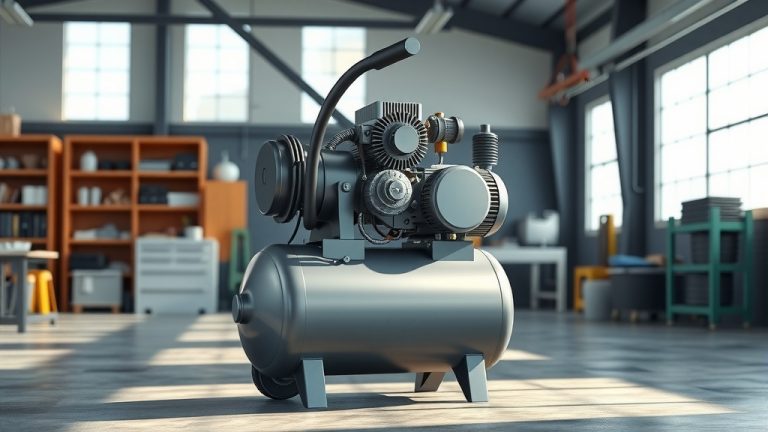
What Is A Pneumatic Air Compressor?
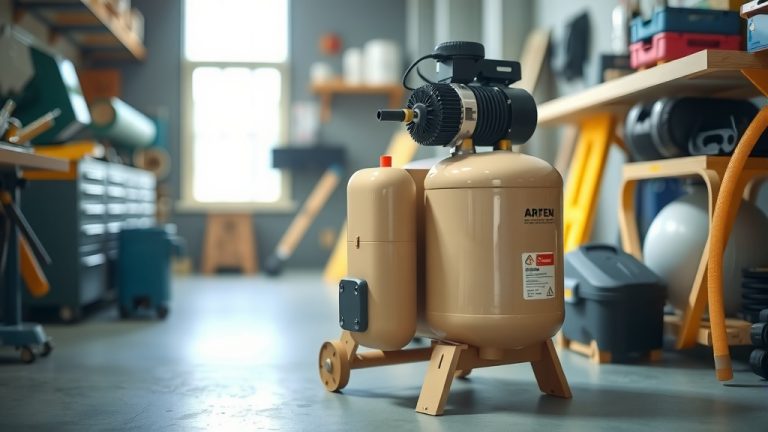
A pneumatic air compressor is a machine that converts power, typically from an electric motor or gasoline engine, into potential energy stored in pressurized air.
It functions by drawing in ambient air, compressing it to a much higher pressure, and then holding this high-pressure air in a tank, ready to power various tools and equipment.
- A pneumatic air compressor is essentially a tool that takes normal air and squeezes it, making it powerful.
- This “squeezed” air, called compressed air, then powers everything from simple tire inflators to heavy-duty factory machinery.
- You’ll find these compressors in garages, workshops, and big industrial settings, making work easier and more efficient.
- Understanding how they work helps you choose the right one for your needs and keep it running smoothly.
What Is A Pneumatic Air Compressor?
Think of a pneumatic air compressor as a muscular pump for air. It takes the air around you, compresses it, and then stores that energy. This stored energy is like a loaded spring, ready to be released to do work.
That work could be painting your car, breaking up concrete, or operating complex machinery. It’s a versatile power source that many people rely on daily.
The Core Idea: How It Creates Power
The magic starts by simply pulling air from the atmosphere. Once inside, mechanical parts go to work, reducing the air’s volume. This action dramatically increases the air’s pressure.
This high-pressure air then moves into a storage tank. When you need power, you open a valve, and the compressed air rushes out, activating your tools. It’s a clean and efficient way to transfer energy.
Why Pneumatic Power Is So Useful
Pneumatic systems, powered by these compressors, are incredibly robust and reliable. They are often safer in certain environments than electrical tools. For instance, there’s a lower risk of electrical shock or sparks, making them ideal for hazardous locations (OSHA guidelines).
Compressed air tools are also often lighter and simpler in design. This can make them easier to handle for extended periods, reducing user fatigue.
Diving Deeper: How Air Compressors Work
It’s not just about pushing air; there’s a systematic process involved. The compressor unit is designed to efficiently convert ambient air into a usable power source. It’s a cycle of intake, compression, and storage.
The effectiveness of this cycle determines how powerful and efficient your compressor will be. Understanding this helps in choosing the right type.
The Key Steps in Air Compression
First, air enters the compressor through an intake valve. Then, the compressor uses a mechanism, like a piston or rotary screw, to squeeze this air. This squeezing reduces its volume and builds up significant pressure.
After compression, the air moves into a receiver tank. This tank acts as a reservoir, holding the compressed air until it’s needed. When a tool is engaged, the air flows from the tank, powering the device.
Exploring Different Kinds of Compressors
Not all air compressors are created equal. Different types are designed for different jobs, offering varying levels of power, efficiency, and noise. Choosing the right one depends heavily on your specific needs.
We found that understanding these differences helps prevent you from buying a unit too small for big jobs, or too large for simple tasks.
Reciprocating (Piston) Compressors: The Workhorse
These are perhaps the most common type you’ll encounter. They use pistons moving up and down in a cylinder to compress air. Think of an engine, but for air.
Piston compressors are excellent for intermittent use and are often found in home garages and small workshops. Many experts say they offer a good balance of cost and performance for general applications.
Rotary Screw Compressors: Industrial Giants
For continuous, heavy-duty applications, rotary screw compressors are often the preferred choice. They use two rotating helical screws to trap and compress air. This design allows for a constant, smooth airflow.
These compressors are typically more energy-efficient for continuous operation and produce less noise than piston models. They are commonly found in manufacturing plants and large industrial settings.
Piston vs. Rotary Screw: A Quick Comparison
Here’s a simple look at how these two main types stack up:
| Feature | Reciprocating (Piston) | Rotary Screw |
|---|---|---|
| Mechanism | Pistons move up and down | Two rotating helical screws |
| Best For | Intermittent, smaller tasks | Continuous, heavy-duty use |
| Noise Level | Generally louder | Typically quieter |
| Efficiency | Good for short bursts | More energy-efficient for constant use |
| Cost | Lower initial cost | Higher initial cost |
What Makes Up Your Air Compressor?
An air compressor isn’t just one big piece of machinery; it’s a system of interconnected parts. Each component plays a vital role in its overall function and safety. Knowing these parts helps you troubleshoot issues.
Understanding the components also gives you a better sense of how to maintain your unit. It’s like knowing the parts of your car to understand its performance.
Essential Parts and Their Roles
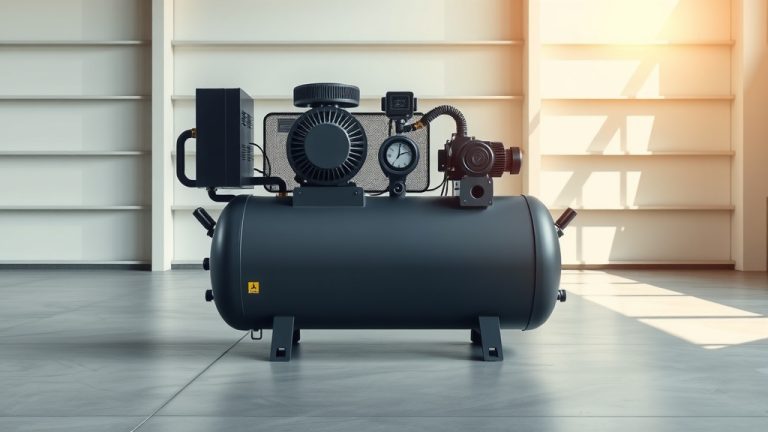
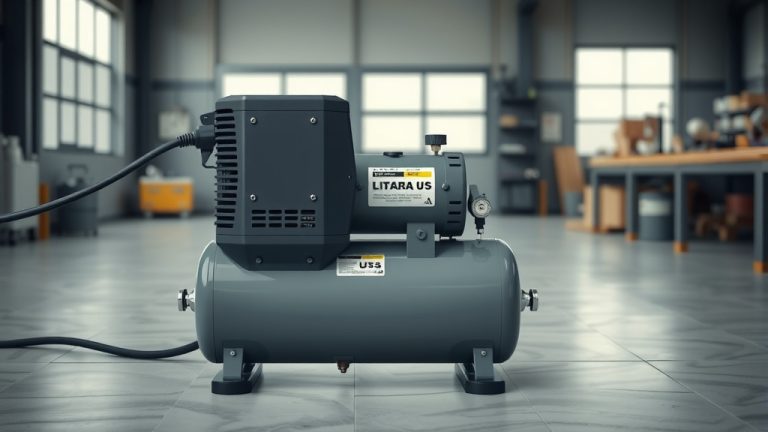
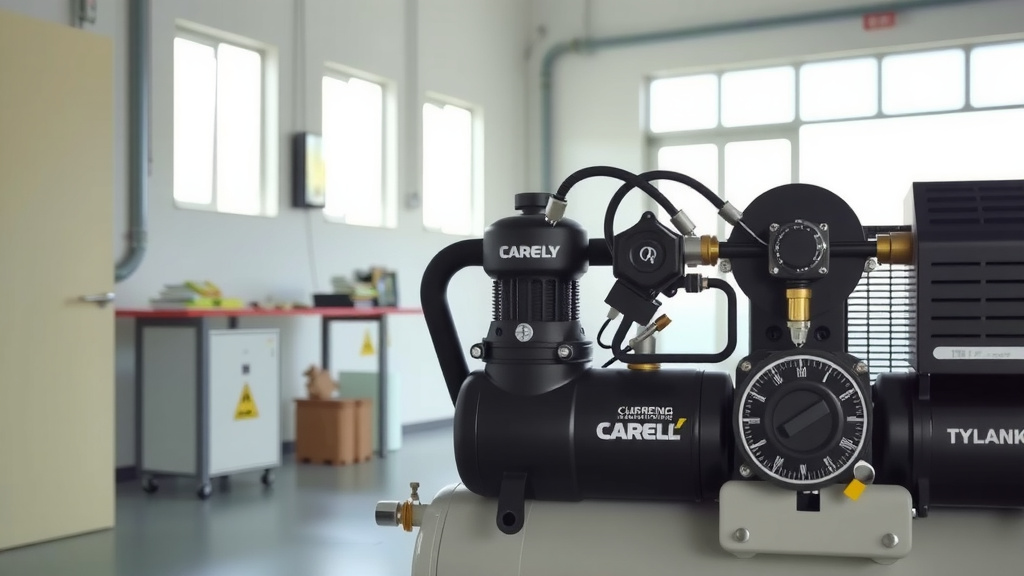
At its heart is the air end or pump, which does the actual compressing. Then there’s the electric motor or gas engine that powers this pump. A receiver tank stores the compressed air, acting as a buffer.
Other critical components include pressure switches to regulate air flow, safety valves to prevent overpressure, and filters to keep the air clean. Each part works together seamlessly.
Where Do We Use Air Compressors?
Pneumatic air compressors are incredibly versatile, finding homes in a vast range of applications. From everyday DIY tasks to powering entire industrial complexes, their utility is undeniable.
You might be surprised at just how many things are powered by compressed air. It’s a testament to its reliability and practical advantages.
From Your Home Workshop to Big Factories
In your garage, an air compressor can inflate tires, power nail guns for woodworking, or even spray paint. For businesses, they power pneumatic tools in assembly lines, operate heavy machinery, and even assist in medical devices (e.g., dental drills).
They are the silent workhorses behind many modern conveniences. Research shows that air compressors are a cornerstone of many manufacturing processes globally.
Practical Uses at a Glance
Here are just a few ways air compressors get the job done:
- Powering impact wrenches for car repair.
- Operating pneumatic nailers and staplers for construction.
- Spraying paint evenly for professional finishes.
- Cleaning workstations with a blowgun.
- Inflating tires for cars, bikes, and other equipment.
- Operating jackhammers for demolition work.
Important Factors When Choosing an Air Compressor
Selecting the right air compressor isn’t just about picking the biggest or cheapest one. It involves matching the compressor’s capabilities to your specific needs. Getting it right saves you time, money, and frustration.
Think about what tools you plan to use and how often you’ll use them. This clarity will guide your purchase decision effectively.
Understanding CFM, PSI, and Tank Size
You’ll encounter terms like CFM (Cubic Feet per Minute) and PSI (Pounds per Square Inch). CFM indicates the volume of air the compressor can deliver, while PSI measures the pressure.
Your tools will have specific CFM and PSI requirements. Always choose a compressor that exceeds these slightly. Tank size, measured in gallons, dictates how much compressed air can be stored, affecting how long a tool can run before the compressor cycles to replenish the tank.
Keeping Your Compressor in Top Shape
Just like any other piece of machinery, your air compressor needs a little love to perform its best. Regular maintenance can significantly extend its lifespan and prevent costly breakdowns.
Ignoring maintenance can lead to reduced efficiency, higher energy bills, and ultimately, a premature failure of the unit. A little effort goes a long way.
Simple Steps for Longevity
We found that these routine tasks are simple yet very effective:
- Drain the tank regularly: Moisture collects at the bottom, which can lead to rust and tank failure.
- Check and change the air filter: A clean filter ensures clean air intake and efficient operation.
- Monitor oil levels (if applicable): For oil-lubricated models, ensure proper lubrication.
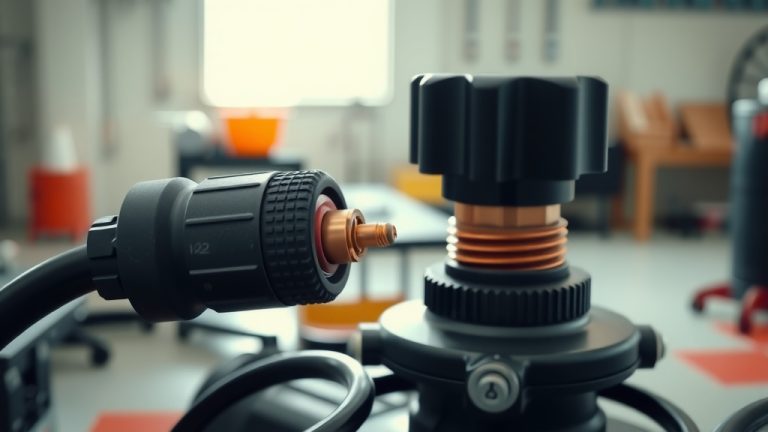
- Inspect hoses and fittings: Look for cracks, leaks, or wear that could reduce efficiency.
- Clean the exterior: Remove dust and debris to prevent overheating.
Conclusion
A pneumatic air compressor is a remarkably versatile and powerful machine, converting simple air into a vital energy source. Whether you’re a hobbyist, a tradesperson, or managing a large factory, understanding their function and types is essential.
They offer clean, reliable power for countless applications, making tasks easier and more efficient. By considering your needs and maintaining your unit, you can harness the full potential of compressed air for years to come. It’s truly a foundational piece of equipment in many modern settings.
What is the main benefit of using a pneumatic air compressor over electric tools?
Pneumatic tools powered by air compressors are often considered safer in certain environments because they have a lower risk of electrical shock or sparks. This makes them ideal for workplaces where flammable materials or damp conditions are present.
How do I know what size air compressor I need for my tools?
To determine the correct size, check the CFM (Cubic Feet per Minute) and PSI (Pounds per Square Inch) requirements of your most demanding air tool. Your compressor’s CFM rating should meet or slightly exceed the tool’s requirement, and its PSI rating must match the tool’s operating pressure.
Are oil-lubricated or oil-free air compressors better?
The choice depends on your application. Oil-lubricated compressors are generally more durable and quieter for heavy, continuous use, but require more maintenance (oil changes). Oil-free compressors are usually lighter, require less maintenance, and produce cleaner air, making them suitable for lighter, intermittent tasks and sensitive applications.
How often should I drain the air tank on my compressor?
It’s generally recommended to drain the air tank after each use or at least daily if used frequently. This prevents moisture buildup, which can lead to rust inside the tank and compromise its integrity over time. Regular draining helps extend the compressor’s lifespan.
Can a pneumatic air compressor be used for home cleaning tasks?
Yes, smaller air compressors can be very useful for home cleaning. With the right attachments, you can use compressed air to blow dust and debris out of tight spaces, inflate pool toys, or even power small paint sprayers for home improvement projects.