What Is A Tankless Air Compressor?
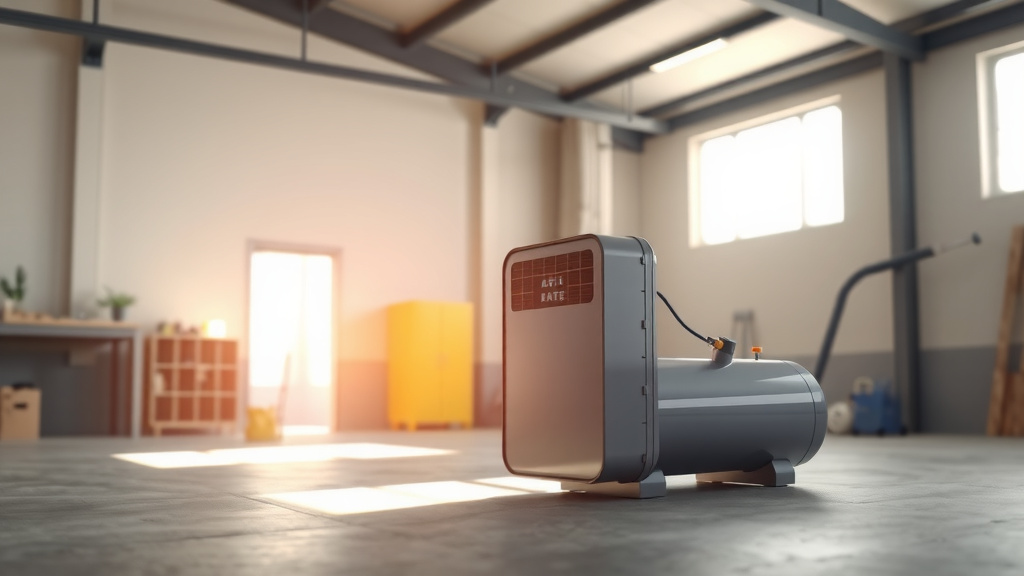
A tankless air compressor operates without a storage tank, providing air directly on demand for continuous airflow.
It compresses air and sends it immediately to your tools, eliminating the need to wait for a tank to fill.
- You get instant, continuous compressed air without interruption.
- Tankless models are usually more compact and lighter, making them highly portable.
- They require less maintenance because there’s no tank to drain or inspect for rust.
- These compressors are perfect for tasks needing steady air, like airbrushing or smaller nailing jobs.
- However, they can be louder and might not suit tools requiring large, quick air bursts.
What Is A Tankless Air Compressor?
A tankless air compressor is a system that delivers compressed air directly to your tools as it’s generated, bypassing a traditional storage tank. Imagine a water tap that provides water as soon as you turn it on; a tankless compressor works similarly with air.
This design offers immediate air output, making it distinct from models that store air in a large reservoir.
How Does a Tankless Air Compressor Work?
When you power on a tankless air compressor, its motor instantly drives a pump to draw in ambient air. This air is then compressed and pushed out through an airline to your pneumatic tool.
The system operates continuously as long as the tool demands air, ensuring a steady supply without the pauses a tanked unit might have while refilling.
The Continuous Flow Principle
Unlike tank-based compressors that fill a reserve and then stop, a tankless unit keeps working. It’s designed for jobs where you need consistent, uninterrupted airflow over longer periods.
This “on-demand” nature means the compressor is always working when your tool is, without any pressure drops from an emptying tank.
Key Benefits of Going Tankless
Choosing a tankless air compressor brings several compelling advantages, especially if you value portability and consistent performance. Many users find these features greatly improve their workflow.
Let’s explore why a tankless model might be the perfect fit for your needs.
Portability and Space Savings
Without a bulky tank, these compressors are significantly lighter and more compact. You can easily move them around your workshop or transport them to different job sites.
This makes them ideal for professionals on the go or for hobbyists with limited storage space.
Continuous Airflow Advantage
The biggest plus is the steady, uninterrupted air supply. You won’t experience pressure drops or waiting times for a tank to recharge.
This constant flow is perfect for tools that require a sustained air output, like paint sprayers or airbrushing tools.
Reduced Maintenance Needs
Traditional tank compressors require regular draining of condensed water to prevent rust and maintain efficiency (OSHA guidelines). Since tankless models don’t have a tank, this step is eliminated.
This means less routine upkeep for you, saving time and effort.
Are There Any Downsides to Consider?
While tankless air compressors offer great benefits, it’s wise to consider their limitations too. No tool is perfect for every situation, and understanding the trade-offs helps you choose wisely.
Let’s look at a few aspects where a tankless unit might not be the top choice.
Noise Levels
Because the motor and pump run almost constantly when in use, tankless compressors can be noisier than their tanked counterparts. A tanked unit can fill up and then remain silent while you work.
Many experts suggest wearing hearing protection, especially in enclosed spaces, regardless of compressor type.
Power Usage Differences
Tankless compressors often draw continuous power while operating, as they don’t have a tank to store energy. This can sometimes lead to higher electricity consumption during extended use.
For short bursts, it might not be an issue, but for long, continuous tasks, it’s something to keep in mind.
Limitations for Certain Tools
Tools that require a large volume of air in short, intense bursts, like heavy-duty impact wrenches or sandblasters, might struggle with a tankless unit. They might not be able to deliver the sudden rush of air needed.
The lack of a reserve means it must generate all the air on the fly, which can sometimes be a bottleneck.
Tanked vs. Tankless: A Quick Comparison
Deciding between a tanked and tankless compressor often comes down to your specific needs. Here’s a brief look at how they stack up against each other:
| Feature | Tankless Compressor | Tank Compressor |
|---|---|---|
| Air Delivery | Continuous, on-demand | Intermittent, tank fills then empties |
| Portability | High (lighter, smaller) | Lower (heavier, bulkier) |
| Noise | Often louder during operation | Quieter when tank is full |
| Maintenance | Less (no tank draining) | More (regular tank draining) |
| Best For | Consistent, low-to-medium air needs | High-volume, short-burst air needs |
Is a Tankless Compressor Right For You?
To figure out if a tankless model is your ideal companion, ask yourself a few questions about your typical projects. Your specific tasks will help guide your decision.
Consider this quick checklist to see if it aligns with your workshop or job site needs:
- Do you need continuous airflow for extended periods?
- Is portability a top priority for your work?
- Are you mainly using tools that require lower to medium CFM (cubic feet per minute)?
- Do you have limited space for storage?
- Are you looking to minimize routine maintenance tasks?
If you answered “yes” to most of these, a tankless compressor is likely a great choice for you.
Common Applications for Tankless Air Compressors
Tankless air compressors truly shine in specific scenarios where their unique attributes provide maximum advantage. They are not one-size-fits-all, but they are exceptionally good at what they do.
Let’s look at some popular uses where these compact powerhouses prove their worth.
For the DIY Enthusiast
For home projects like trim nailing, inflating tires, or using airbrushes for crafts, a tankless compressor is perfect. Its light weight and easy setup make it a fantastic tool for the casual user.
Many homeowners appreciate the small footprint and quick readiness for various tasks.
Professional On-Site Work
Construction workers, finish carpenters, or mobile mechanics often rely on tankless compressors. Their portability means they can be easily moved around a job site or transported in a vehicle.
Tools like brad nailers, staplers, and light-duty impact wrenches work well with the continuous air supply.
Specialty Tasks
Think about delicate work like airbrushing for models or custom painting. The consistent, regulated airflow from a tankless unit helps achieve smooth, even coats without pulsing. Research supports consistent pressure for quality finishes (Painting and Decorating Contractors of America).
Even small engine repairs and certain automotive tasks can benefit from the precise air delivery.
Conclusion
Choosing an air compressor is about matching the tool to your tasks. A tankless air compressor stands out for its exceptional portability, continuous airflow, and reduced maintenance. It’s a fantastic solution for many DIY projects and professional on-site jobs where space and mobility are key.
While they might not suit every heavy-duty application due to noise or power limitations, their benefits for consistent, medium-demand air delivery are undeniable. Consider your specific needs, and you might find the tankless option is precisely what you’ve been looking for to power your next project.
What is the main advantage of a tankless air compressor?
The main advantage is its continuous, on-demand airflow, meaning you get a steady supply of air without waiting for a tank to fill. This is great for tasks requiring uninterrupted pressure.
Are tankless air compressors noisy?
Tankless air compressors can often be noisier than tanked models while operating because the motor and pump run constantly. However, advancements are making some newer models quieter.
Can a tankless air compressor power an impact wrench?
For light-duty or smaller impact wrenches, a tankless compressor might work. However, heavy-duty impact wrenches typically demand a high volume of air in short bursts, which a tanked compressor with a reserve often handles better.
Do tankless air compressors require any maintenance?
While they don’t have a tank to drain, you still need to perform basic maintenance like checking the air filter and ensuring connections are secure. They generally require less intensive maintenance than tanked models.
Are tankless compressors good for painting?
Yes, tankless compressors can be excellent for painting, especially airbrushing or smaller spray painting jobs, because they provide a very consistent and uninterrupted airflow. This helps achieve a smooth, even finish without pressure fluctuations.
