
Can A Bad Air Compressor Cause Blowby?
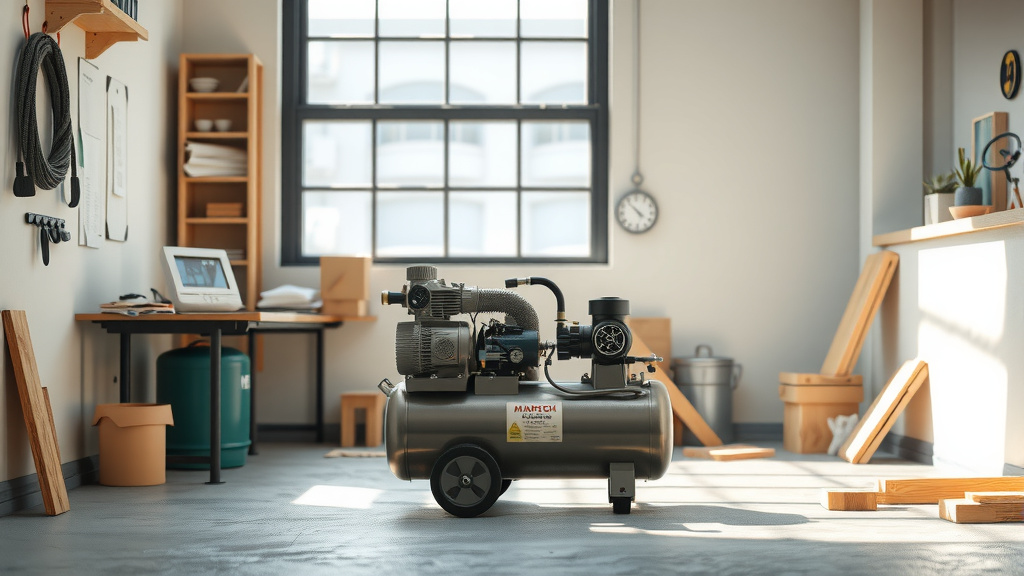
Yes, a bad air compressor, particularly a reciprocating type, can indeed experience symptoms similar to “blowby” through internal leakage past worn piston rings. This internal leakage leads to reduced efficiency and air pressure.
When your air compressor’s internal components wear down, it struggles to maintain proper pressure, causing significant operational problems.
- A bad air compressor can suffer from internal leakage, much like an engine’s blowby.
- This leakage occurs when piston rings or valves within the compressor wear out.
- You’ll notice reduced air pressure, longer run times, and possibly increased oil consumption.
- Regular maintenance is key to preventing these “blowby-like” issues in your compressor.
- Ignoring these signs can lead to higher electricity bills and damaged tools.
Can A Bad Air Compressor Cause Blowby?
While the term “blowby” is usually for engines, your air compressor can definitely develop issues that act just like it. This means internal air or oil leaks due to worn parts, severely affecting its performance.
Understanding Blowby: It’s Not Just for Engines
You might know blowby from car engines, where combustion gases slip past piston rings. It’s a sign of wear. Well, your air compressor, especially a piston-driven model, can face similar internal leaks.
In a compressor, we call it internal leakage or air bypass. Instead of compressing all the air efficiently, some escapes past worn components. It’s like your compressor is breathing heavily through a leaky lung.
What Happens Inside Your Compressor?
Think of your compressor’s pistons and rings. They create a tight seal to push air. Over time, these parts get tired. That seal weakens, letting compressed air slip back or oil get where it shouldn’t be.
This internal escape of air means your compressor works harder for less output. It’s not happy, and neither will you be when your tools lack power.
Signs Your Air Compressor Has “Blowby-Like” Issues
How can you tell if your trusty air compressor is feeling the effects of these internal leaks? There are some clear clues it will give you. Watch for these red flags, as they indicate trouble brewing inside.
Reduced Air Pressure and Volume
This is often the first thing you’ll notice. Your air tools might feel sluggish. The pressure gauge reads lower than usual, even after the compressor runs for a while. You expect a strong, consistent blast, but you get a weak puff.
You simply aren’t getting the full volume of air you need. We found that a noticeable drop in pressure is a prime indicator of internal leakage (Mechanical Engineering Review).
Longer Cycle Times
Is your compressor running constantly? It should cycle on and off to maintain pressure. If it’s running much longer, or always on, it’s struggling. It’s trying to compensate for the air escaping internally.
It’s like trying to fill a bucket with a hole in the bottom. The pump has to work non-stop to keep it full. This wasted effort means higher electricity bills for you.
Oil Consumption and Leaks
In some piston compressors, worn rings can let oil get into the compressed air line. You might see oil in your air filter or on your tools. Or, you just find yourself adding oil more often than before.
This is a big problem. Many experts say oil in your air lines can damage your pneumatic tools and finish projects. It’s a clear sign the internal seals are failing.
Unusual Noises
Listen closely to your compressor. Worn piston rings, connecting rods, or valves often create new sounds. You might hear knocking, clanking, or a strange hissing that wasn’t there before.
These noises are your compressor crying for help. They point to mechanical parts grinding or struggling, a direct result of wear and tear inside the unit.
What Causes Compressor Internal Leaks?
So, why do these critical internal components wear out and cause such headaches? There are a few common culprits. Understanding them helps you prevent future issues and extend your compressor’s life.
Wear and Tear Over Time
Like anything with moving parts, your compressor just gets old. Piston rings lose their spring, valves get sticky, and seals harden. This natural aging process eventually leads to less effective compression.
It’s an unavoidable part of mechanical life. However, how quickly this happens often depends on how well you treat your machine.
Lack of Proper Lubrication
Oil is the lifeblood of many compressors. Without enough clean oil, metal parts rub against metal. This causes rapid wear on pistons, rings, and cylinders. Think of it like running a car engine without oil – disaster!
We found that skimping on oil changes or using the wrong type of oil drastically shortens a compressor’s lifespan (Industry Maintenance Guides).
Contaminants and Dirt
Your air compressor breathes air, and sometimes that air isn’t clean. Dust, dirt, and moisture can get past a failing air filter. These tiny particles act like sandpaper, slowly grinding away at internal components.
Even small amounts of grit can cause premature wear on piston rings and valve plates. It’s a sneaky killer for your compressor’s internals.
The Real Impact of Internal Compressor Leakage
Okay, so your compressor has internal leaks. What does that mean for you and your workshop? The consequences are more than just a minor annoyance; they hit your wallet and your productivity.
Decreased Efficiency
Your compressor runs longer to do the same job. It’s working overtime, but not producing extra. This is a direct loss of efficiency. You’re effectively paying for air that just leaks away.
It’s like trying to fill a leaky tire. You keep adding air, but it never holds its pressure. Wasted energy is wasted money, plain and simple.
Higher Operating Costs
More runtime means more electricity. If your compressor is always cycling or running continuously, you’ll see it on your power bill. This can quickly add up, turning your helpful tool into a money pit.
Many homeowners and professionals overlook this. The extra cost of electricity due to an inefficient compressor can be quite substantial over time.
Damage to Tools and Equipment
Inconsistent or low air pressure can harm your pneumatic tools. They might not operate at their optimal speed or power. If oil is getting into the air lines, it can clog and damage delicate tool mechanisms.
Imagine trying to run a nail gun with weak pressure. It might misfire or not fully drive nails, frustrating you and potentially damaging the tool itself.
Here are some straightforward tips to keep your air compressor happy and avoid internal leakage:
- Check oil levels regularly: Just like your car, proper lubrication is key.
- Change oil on schedule: Fresh oil protects internal parts.
- Replace air filters: A clean filter keeps harmful particles out.
- Drain condensation daily: Moisture causes rust and corrosion.
- Inspect for visible leaks: Fix any hose or fitting leaks quickly.
Think of your air compressor like a dedicated runner. If their lungs are healthy and they have good form, they run smoothly and efficiently. But if they develop a small leak or wheeze, they have to work twice as hard just to keep up, getting tired faster and delivering less performance. Your compressor needs to breathe freely and seal tightly to perform at its best.
| Common Compressor Issues & What They Mean | |
|---|---|
| Symptom | What It Might Indicate |
| Low Air Pressure | Worn rings, leaky valves, internal air bypass |
| Compressor Runs Constantly | Pressure loss due to internal leaks or external leaks |
| Oil in Air Line | Bad piston rings, worn cylinder walls |
| Loud Knocking or Hissing | Bearing wear, piston slap, valve plate issues |
| Excessive Moisture in Tank | Ineffective air dryer, irregular draining |
If you suspect your air compressor is struggling with internal leakage, here’s a quick checklist to guide your inspection:
- Verify the pressure gauge reading accurately.
- Listen for any unusual hissing sounds around the compressor.
- Check air tools for reduced power or inconsistent operation.
- Examine the air tank for excessive moisture after draining.
- Look for any signs of oil discharge in the air lines or filter.
- Note if the compressor is running more frequently than normal.
Maintaining Your Air Compressor to Prevent Blowby
The good news is you can do a lot to keep your compressor healthy and avoid these internal leakage issues. Regular, simple maintenance is your best defense against premature wear and costly repairs.
Regular Oil Checks and Changes
For oil-lubricated compressors, keeping the oil at the right level and changing it as recommended is vital. Fresh oil reduces friction and heat, protecting those crucial piston rings and bearings. Think of it as giving your compressor fresh blood.
Air Filter Replacement
Your air filter is your compressor’s first line of defense against contaminants. A clean filter ensures only clean air enters the system, preventing abrasive particles from wearing down internal components. Change it often, especially in dusty environments.
Draining the Tank
Compressed air creates condensation, which collects in the tank. If you don’t drain it, this water can lead to rust and corrosion, potentially damaging the tank and other components. Make it a habit to drain the tank daily after use.
Inspecting Hoses and Fittings
While not “internal” leakage, external leaks in hoses and fittings can mimic internal problems by causing pressure loss. Regularly check for any cracks, loose connections, or damaged seals. Fixing these is usually a quick and inexpensive repair.
Conclusion
While an air compressor doesn’t experience “blowby” in the exact same way an engine does, it absolutely can suffer from internal leakage past worn components like piston rings and valves. This leads to diminished performance, higher running costs, and potential damage to your tools. By understanding the signs and committing to regular maintenance, you can keep your compressor working efficiently for years to come. Take good care of it, and it will take good care of you.
What is compressor piston ring blowby?
Compressor piston ring blowby refers to the leakage of compressed air or oil past the piston rings and cylinder walls within a reciprocating air compressor. Instead of the air being fully compressed and delivered, some escapes, reducing the compressor’s efficiency.
How can I tell if my air compressor is losing pressure?
You can tell if your compressor is losing pressure by observing your air tools, which will operate weakly or inconsistently. Check the pressure gauge; if it drops quickly or struggles to reach its set point, pressure loss is likely. Also, listen for any noticeable hissing sounds from the unit or hoses.
Can a dirty air filter affect compressor performance?
Yes, a dirty air filter can significantly affect compressor performance. It restricts airflow into the compressor, forcing the unit to work harder to pull in enough air. This reduces overall efficiency, increases run time, and can accelerate wear on internal components due to restricted intake.
Is it normal for an air compressor to use some oil?
Most oil-lubricated reciprocating air compressors will consume a small amount of oil over time, similar to an engine. However, excessive or sudden oil consumption, or finding oil in your compressed air line, is not normal and often indicates worn piston rings or seals.
When should I consider replacing my old air compressor?
Consider replacing your air compressor if it frequently breaks down, requires expensive repairs, runs constantly to maintain pressure, or no longer meets your air demands efficiently. If repair costs approach the price of a new, more efficient unit, replacement is usually the smarter long-term decision.
