
Can You Lay Down A Stand Up Air Compressor?
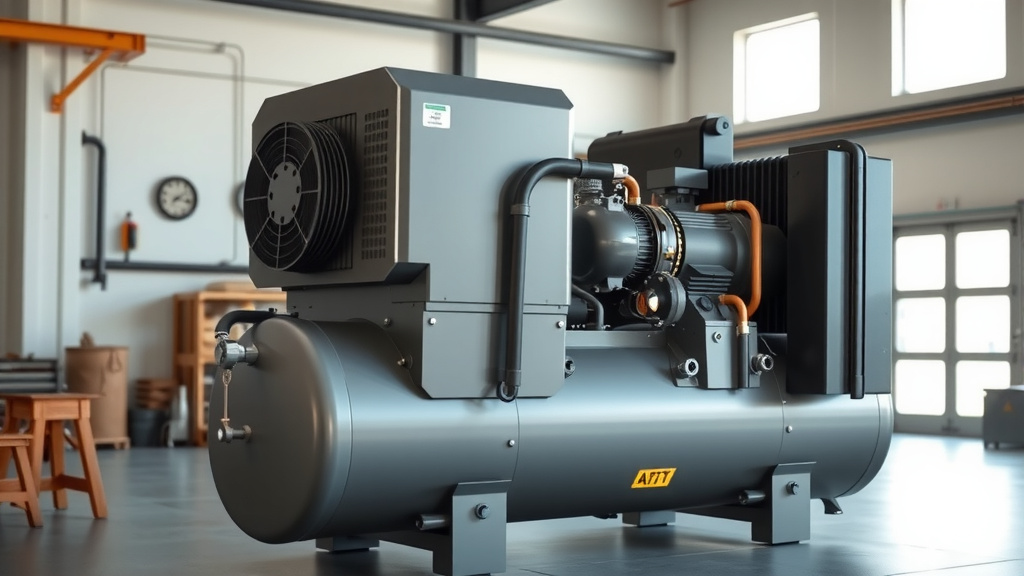
Generally, you should avoid laying down a stand up air compressor, especially if it’s an oil-lubricated model. This can cause the oil to leak into internal components or the air lines, leading to damage and performance issues.
Oil-free stand up air compressors are more forgiving if laid down, but proper precautions are still essential to prevent damage or safety hazards.
- Laying down an oil-lubricated air compressor often leads to oil leaks, component damage, and system contamination.
- Oil-free compressors are safer to lay down, but always check your specific model’s manual first.
- For any compressor, laying it down can also risk damaging external parts or connections.
- If you must transport an oil-lubricated unit horizontally, drain the oil beforehand and allow it to settle upright for a while before use.
- Always prioritize upright transport and storage to protect your investment and ensure safe operation.
Can You Lay Down A Stand Up Air Compressor?
The short answer is: it’s generally not a good idea to lay down a stand up air compressor, especially if it uses oil.
Why People Ask About Laying Down Air Compressors
You might be thinking about laying your compressor down for various reasons. Perhaps you’re trying to save space in your garage. Maybe you need to fit it into a car trunk for transport. Or maybe you’re just moving it from one spot to another. These are all valid situations, but the method of movement really matters for your air compressor.
The Big Concern: Oil-Lubricated vs. Oil-Free
The main factor determining if you can lay down your stand up air compressor is whether it’s an oil-lubricated or oil-free model. This difference is fundamental.
Oil-Lubricated Compressors: A Definite No-Go for Lying Down
Most traditional air compressors are oil-lubricated. This means they use oil to keep moving parts smooth and cool. It’s vital for their longevity. This oil sits in a sump at the compressor’s base.
If you lay an oil-lubricated compressor on its side, gravity takes over. The oil can then flow into areas it shouldn’t. It might seep into the air lines, the check valve, or even the piston cylinder. This can cause significant problems.
Many experts say this can lead to oil spitting out with the compressed air when you restart it (OSHA guidance often highlights safe handling). Imagine oily air coming out – not good for your tools or projects. It also risks hydrolock or damage to the motor.
Oil-Free Compressors: A Bit More Forgiving
Oil-free compressors, as the name suggests, don’t use oil for lubrication. They often use coated pistons or different sealing mechanisms. This design makes them much less prone to the oil-spill issues of their oiled counterparts.
So, can you lay down an oil-free stand up air compressor? Generally, yes, but with a big asterisk. You still need to be careful. While there’s no oil to leak, other components can still suffer damage from rough handling.
Risks of Laying Down Any Air Compressor
Beyond oil issues, laying any air compressor on its side introduces other risks. Consider these potential problems:
- Component Damage: The tank, motor, gauges, or delicate valves can be hit or bent.
- Drainage Valve Problems: The water drainage valve, often at the bottom of the tank, is fragile. Laying the unit down could snap it off.
- Air Leaks: Connections or seals can become loose or damaged, causing air to leak from the tank.
- Improper Restart: Even if no immediate damage, restarting a compressor that has been laid down without proper settling time can still stress the system.
What If You Absolutely Must Lay It Down?
Sometimes, despite best advice, you just have to do it. Maybe it’s a tight squeeze in a rental truck. If you must lay down your air compressor, especially an oil-lubricated one, follow these steps:
Prepare for Horizontal Transport
- Drain the Oil (Oil-Lubricated): This is the most critical step. Completely drain all the oil from the compressor’s sump. You really don’t want it sloshing around.
- Empty the Air Tank: Depressurize the tank completely. This removes any potential danger from stored pressure.
- Disconnect Hoses and Accessories: Remove anything that can snag or get damaged.
- Secure Fragile Parts: Wrap gauges or delicate parts with padding if possible.
- Lay It Carefully: Place it on a stable, flat surface in your vehicle. Try to keep it as stable as possible during transit.
After Transport: The Settle-Down Period
Once you reach your destination, don’t just plug it in and go. Allow the compressor to stand upright for a significant amount of time. We found that leaving it upright for at least an hour or two is a good rule of thumb. This allows any residual oil that might have seeped out to drain back into the sump. Many guidelines point to allowing it to settle before powering it on (manufacturer recommendations often suggest this).
After settling, re-fill the oil to the correct level if you drained it. Then, carefully inspect for any leaks or damage before starting it up. It’s like letting a shaken soda bottle settle before opening it, but with more serious consequences if you don’t!
Best Practices for Moving Any Air Compressor
The safest way to move any stand up air compressor is to keep it upright. If it has wheels, use them. If it doesn’t, get help and lift it carefully. Research often connects vertical transport with extended equipment life (industry best practices agree).
| Feature | Oil-Lubricated Air Compressor | Oil-Free Air Compressor |
|---|---|---|
| Oil Use | Requires oil for lubrication | No oil for lubrication |
| Laying Down Risk | High risk of oil leaks, damage | Lower risk, but still caution |
| Maintenance | Regular oil changes needed | Less maintenance (no oil changes) |
| Noise Level | Generally quieter operation | Often louder operation |
| Air Purity | Air may contain trace oil | Cleaner air output |
| Recommendation | Always keep upright for transport | Upright is best, horizontal with care |
Checklist for Safe Compressor Transport
- Read your compressor’s specific manual.
- Completely drain all air from the tank.
- For oil-lubricated models, drain the oil if laying down.
- Remove any attached hoses, air tools, or accessories.
- Secure the compressor firmly to prevent tipping or shifting.
- Pad any fragile components before moving.
The Takeaway for Your Stand Up Air Compressor
Think of your stand up air compressor like a carefully balanced individual. While it might look sturdy, its internal workings are quite sensitive. Laying it down can throw that balance off. We found that prioritizing vertical transport and careful handling truly makes a difference. It protects your investment and ensures it continues to serve you well.
Conclusion
While you might be tempted to lay down your stand up air compressor for convenience, it’s a decision that requires thought. For oil-lubricated models, it’s a strong no, due to the very real risk of internal damage and messy oil leaks. Oil-free units offer a bit more flexibility, but careful handling is always key. Always consult your compressor’s manual for model-specific advice. Ultimately, treating your compressor with care by keeping it upright during transport and storage will save you headaches, repairs, and money in the long run. Isn’t that worth the extra effort?
Can laying down an air compressor damage its motor?
Yes, particularly with oil-lubricated models. If oil leaks into the motor components or cylinders, it can cause starting issues, stress the motor, or even lead to severe internal damage when you try to restart it. This could result in costly repairs or replacement.
How long should an air compressor sit upright after being laid down?
If you had to lay down an air compressor, especially an oil-lubricated one, allow it to sit upright for at least 1-2 hours before attempting to use it. This gives any shifted oil time to drain back into the sump, minimizing the risk of issues when you power it on.
What kind of damage can happen if oil gets into the air lines?
If oil gets into the air lines, it can contaminate your tools, paint sprayers, or whatever project you’re working on. It can also clog air filters, degrade rubber seals in tools, and reduce overall air quality, potentially harming the tools themselves.
Is it okay to store an air compressor on its side?
No, it is not recommended to store an air compressor on its side. Long-term storage in a horizontal position carries the same risks as transporting it that way, especially for oil-lubricated units. Always store your compressor upright on a stable, level surface.
What if my air compressor was accidentally tipped over? What should I do?
If your air compressor accidentally tipped over, carefully set it upright immediately. For oil-lubricated models, check for any oil leaks and allow it to sit upright for several hours before trying to use it. Inspect for any visible damage to gauges, hoses, or the tank. If you notice leaks or unusual noises upon restart, consult a professional.
