
Can You Use An Air Compressor Inside?
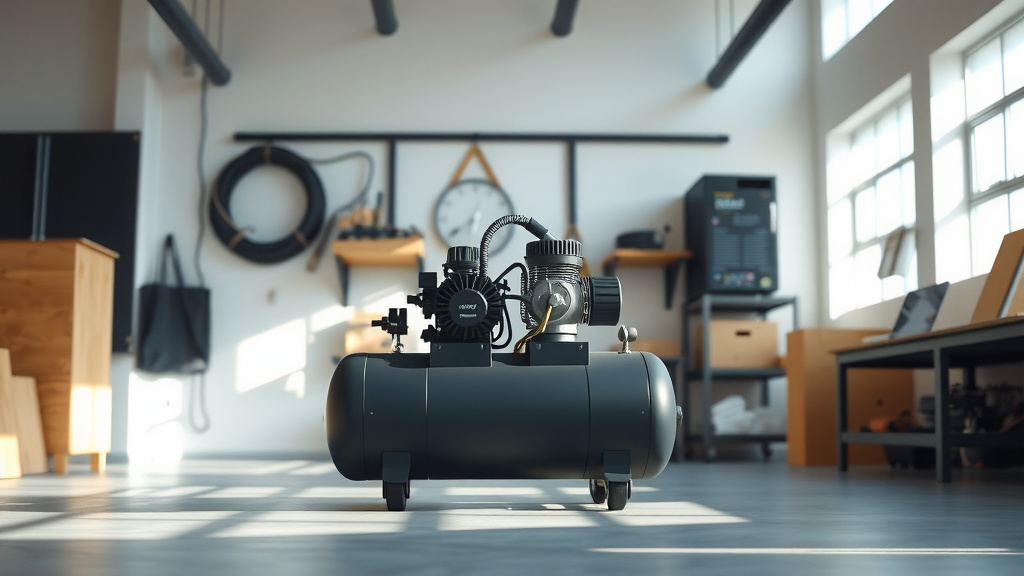
Yes, you can use an air compressor inside, but it largely depends on the compressor’s type and the specific indoor environment.
Electric models are generally suitable for indoor use with proper ventilation and noise considerations, unlike gas-powered units that pose significant fume risks.
Here’s a quick rundown of what you need to know about using an air compressor indoors:
- For indoor use, always choose an electric air compressor.
- Ensure your space has excellent ventilation to avoid any harmful fumes or heat buildup.
- Noise is a major factor; opt for quiet models or soundproof your area.
- Regularly check for leaks and maintain your unit to ensure safe operation.
- Never use gas-powered compressors inside due to the carbon monoxide risk.
Can You Use An Air Compressor Inside?
You absolutely can use an air compressor inside, but the real answer isn’t a simple yes or no. It really hinges on what kind of compressor you have and where you plan to use it. Thinking about safety first is always smart.
The Big Question: Is Indoor Use Safe?
When you bring machinery indoors, safety becomes your top priority. Air compressors, especially certain types, come with their own set of considerations. We need to think about things like air quality, noise levels, and even tripping hazards. Are you ready to tackle these?
Noise Concerns Indoors
Let’s be honest, air compressors can be loud. Imagine trying to talk over a jackhammer in your garage! Traditional compressors produce significant noise, which can be irritating and even harmful to your hearing over time. We found that constant exposure to high decibel levels can lead to hearing damage (NIH).
Many modern compressors, however, are designed with noise reduction in mind. Look for models specifically advertised as “quiet” or “low-noise.” These are a much better fit for any indoor space.
The Ventilation Imperative
This is arguably the most crucial point. Using any combustion engine indoors, like a gas-powered air compressor, is extremely dangerous. They produce carbon monoxide, a colorless, odorless gas that can be fatal. Many experts say that proper ventilation is non-negotiable for any indoor machinery (CDC).
Even electric compressors, while not producing toxic fumes, still generate heat. Good airflow prevents heat buildup and helps your compressor run efficiently. Think of it like giving your compressor room to breathe.
What Kind of Air Compressor Are We Talking About?
The type of compressor you own dramatically affects its suitability for indoor use. It’s like comparing a bicycle to a race car – both move, but they’re built for very different environments. Let’s break down the main differences.
Electric vs. Gas-Powered
This is the most critical distinction for indoor use. Electric compressors are powered by electricity and produce no exhaust fumes. They are generally safe to use indoors as long as electrical safety guidelines are followed.
Gas-powered compressors run on fuel like gasoline. They emit carbon monoxide and other harmful gases. You should absolutely never, ever use a gas-powered air compressor inside your home or any enclosed space. The risk is simply too high.
Oil-Lubricated vs. Oil-Free
Some compressors use oil to lubricate their internal components, while others are “oil-free.” Oil-lubricated models often run quieter and last longer, but there’s a slight chance of oil mist in the air. Oil-free compressors are generally cleaner and require less maintenance, making them a great choice for indoor projects where air purity is important.
Here’s a quick comparison to help you choose:
| Feature | Electric Compressor (Indoor Friendly) | Gas Compressor (Outdoor Only) |
|---|---|---|
| Fumes/Emissions | None (safe for indoors) | Carbon Monoxide (dangerous for indoors) |
| Noise Level | Can be moderate to very quiet | Generally very loud |
| Power Source | Electrical outlet | Gasoline/Fuel |
| Typical Use | Home workshops, small tasks, garages | Job sites, outdoor heavy-duty tasks |
Best Practices for Indoor Air Compressor Use
Even with the right compressor, some smart practices can make a big difference. Think of it as setting up your workstation for success, not just throwing things together. A little preparation goes a long way.
Location, Location, Location
Where you place your compressor indoors matters a lot. Try to position it near an open window or door for maximum airflow. Avoid small, enclosed closets or rooms with poor ventilation. Also, ensure it’s on a stable, level surface to prevent tipping and reduce vibration.
Maintaining Your Indoor Compressor
Just like your car, your compressor needs regular check-ups. We found that routine maintenance extends the lifespan of your unit and prevents unexpected issues. Regularly drain the air tank, check for air leaks, and keep the air filter clean. This keeps your air compressor running smoothly and safely.
Common Indoor Applications
Why would you even want to use an air compressor indoors? Turns out, these versatile tools have many indoor uses, making DIY tasks much easier and more efficient. They are much more than just tire inflators.
DIY Projects and Hobbies
For crafters, woodworkers, and general DIY enthusiasts, an air compressor is a game-changer. You can power nail guns for trim work, spray paint projects with a fine finish, or even use airbrushes for detailed artistry. It opens up a whole world of possibilities for your creative endeavors.
Home Workshops
A home workshop benefits immensely from an air compressor. Think about pneumatic tools like impact wrenches for automotive work, grinders, or sanders. Having compressed air readily available means you can tackle a wider range of projects without leaving your comfortable indoor space. It’s like having a professional shop at home.
Important Safety Checklist Before You Start
Before you plug in and power up your indoor air compressor, pause for a moment. Running through a quick checklist can save you from potential headaches or, more importantly, hazards. Safety first, always.
- Read Your Manual: Always consult your compressor’s user manual for specific safety instructions.
- Check Ventilation: Confirm the area has adequate airflow; open windows or doors.
- Inspect Hoses & Fittings: Look for any cracks, wear, or loose connections.
- Electrical Safety: Use a grounded outlet and avoid extension cords if possible.
- Wear PPE: Don eye protection and hearing protection, even for quick tasks.
- Clear the Area: Ensure no flammable materials or obstructions are nearby.
Conclusion
Using an air compressor inside your home or workshop is absolutely possible and can be incredibly convenient, provided you make the right choices and follow critical safety measures. Always choose an electric compressor for indoor tasks and prioritize excellent ventilation to ensure clean air and prevent heat buildup. Paying attention to noise levels will also make your indoor projects much more pleasant for everyone. By understanding the differences between compressor types and adhering to simple safety guidelines, you can safely and effectively utilize this powerful tool for all your indoor projects. Think smart, stay safe, and enjoy the power of compressed air right where you need it most.
Can a small portable air compressor be used indoors?
Yes, small portable electric air compressors are generally excellent for indoor use. They are often designed to be quieter and more compact, making them ideal for inflating tires, powering airbrushes, or small DIY tasks in garages or workshops. Just ensure basic ventilation and electrical safety.
How can I reduce the noise from my air compressor indoors?
To reduce indoor compressor noise, consider placing it on a rubber mat to absorb vibrations. You can also build an enclosure with sound-dampening materials like acoustic foam, ensuring the enclosure still allows for good airflow to prevent overheating. Choosing an “ultra-quiet” model from the start is also a great solution.
Are there any fumes from electric air compressors?
Electric air compressors do not produce exhaust fumes like carbon monoxide, making them safe from that particular hazard indoors. However, if you have an oil-lubricated model, it might produce a slight oil mist over time. Ensure proper ventilation to dissipate any potential oil vapor or heat generated by the motor.
What kind of extension cord should I use for an indoor air compressor?
When using an extension cord for an indoor air compressor, always choose a heavy-duty, grounded cord rated for outdoor use (even indoors) with an appropriate gauge (thickness) for the compressor’s amperage requirements. Shorter cords are better, and avoid using thin, light-duty household extension cords as they can overheat and pose a fire risk.
Can I use an air compressor in my basement or a windowless room?
Using an air compressor in a basement or windowless room requires extra caution regarding ventilation. If you use an electric compressor, ensure you have mechanical ventilation, such as an exhaust fan, to circulate air and prevent heat buildup. Never use a gas-powered compressor in such an environment due to the extreme danger of carbon monoxide accumulation.
