
Can You Use An Extension Cord With An Air Compressor?
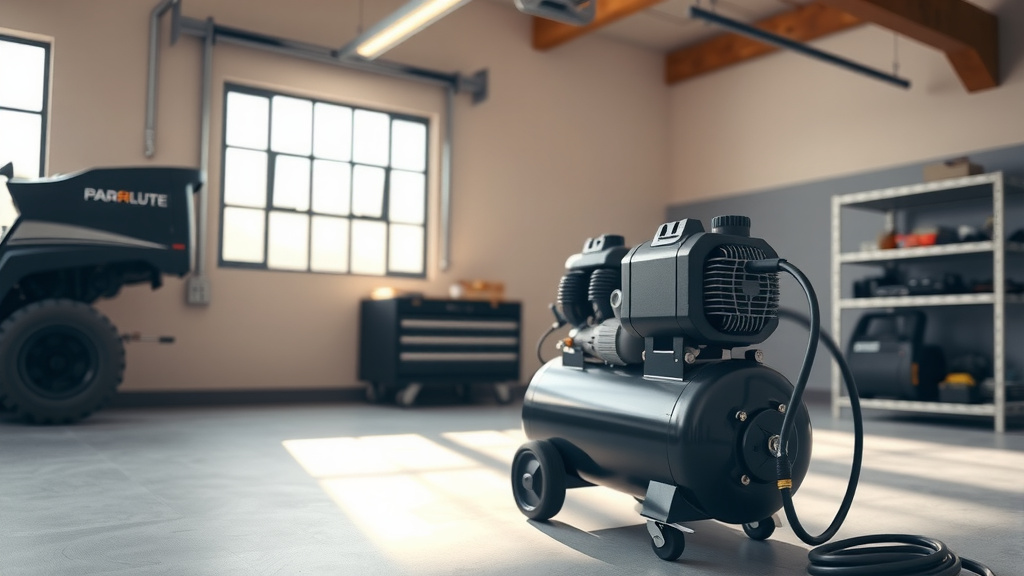
Yes, you can use an extension cord with an air compressor, but selecting the right one is absolutely essential to prevent damage and ensure safety.
Always choose a heavy-duty, short, and thick-gauge extension cord that is specifically rated for your air compressor’s power needs.
- The right extension cord protects your air compressor from serious damage.
- Using a thin or long cord can cause voltage drop, making your compressor work harder and overheat.
- Always check the cord’s gauge (AWG) and ensure it matches or exceeds your compressor’s requirements.
- Keep extension cords as short as possible to maintain power delivery effectively.
- Safety is paramount; never use a damaged or undersized cord with a powerful air compressor.
Can You Use An Extension Cord With An Air Compressor?
Yes, you absolutely can use an extension cord, but picking the right one is critical for both safety and performance. Using the wrong cord risks serious issues for your compressor.
Why the Right Cord Matters So Much
Think of your air compressor as a thirsty engine needing a consistent fuel supply. An extension cord is like the fuel line. A thin, long line restricts flow, causing problems.
If your cord isn’t adequate, your compressor won’t get the proper voltage. This makes the motor strain, leading to overheating and potential burnout. We found that voltage drop is a primary concern for motor longevity (Electrical Safety Foundation International).
Understanding Amps and Volts
Air compressors draw a significant amount of electricity, measured in amps, at a specific voltage. Most home compressors use 120 volts. Understanding these numbers helps you choose a safe cord.
You’ll usually find your compressor’s amperage requirements on a label or in the owner’s manual. This number is your key to proper cord selection.
The Dangers of the Wrong Extension Cord
Using an improper extension cord might seem harmless, but it brings real dangers. It’s like putting bicycle tires on a heavy truck; it just won’t work well, and it might even be dangerous.
Overheating and Fire Risk
A thin extension cord has higher electrical resistance. When your powerful air compressor pulls current through it, this resistance creates heat. Too much heat can melt the insulation and start an electrical fire.
Many experts say that overheating cords are a leading cause of electrical fires in workplaces and homes (NFPA).
Voltage Drop Explained
Voltage drop occurs when the electrical pressure decreases as it travels through a wire. A longer or thinner wire causes more drop. Your compressor needs consistent voltage to function properly.
If the voltage drops too much, the compressor motor tries to compensate. It draws more current, heats up, and works much harder than it should. This cycle quickly wears it out.
Impact on Compressor Motor Life
Constantly running on low voltage shortens the life of your air compressor’s motor significantly. It stresses internal components, leading to premature failure. You might find your compressor struggling to build pressure.
Replacing a compressor motor is often as costly as buying a new unit. Investing in the correct cord saves you money and trouble later.
Choosing the Perfect Extension Cord
Selecting the right extension cord isn’t hard once you know what to look for. Think of it as matching the cord to your compressor’s specific needs, not just grabbing any cord from the garage.
Gauge (AWG) – Thicker is Better
The gauge of an extension cord refers to its wire thickness, indicated by its American Wire Gauge (AWG) number. Counter-intuitively, a lower AWG number means a thicker wire.
Thicker wires have less resistance and can carry more current without overheating. This is vital for high-draw tools like air compressors.
| Compressor Amps (Approx.) | Recommended Cord Gauge (AWG) for 25ft | Recommended Cord Gauge (AWG) for 50ft |
|---|---|---|
| Up to 10 Amps (Small Portable) | 14 AWG | 12 AWG |
| 11-15 Amps (Medium Duty) | 12 AWG | 10 AWG |
| 16-20 Amps (Heavy Duty) | 10 AWG | 8 AWG |
Length – Keep It Short
The shorter the extension cord, the less opportunity for voltage drop. Always choose the shortest cord that comfortably reaches your work area. Don’t buy a 50-foot cord if you only need 10 feet.
Many experts suggest keeping extension cords for air compressors under 25 feet whenever possible to maintain optimal performance and reduce risks.
Rating – Heavy-Duty All the Way
Look for cords labeled “heavy-duty” or “outdoor/industrial grade.” These cords are built with more robust insulation and often feature tougher outer jackets. They can withstand more wear and tear.
A good quality cord will feel substantial and less flexible than a thin household cord. It’s an investment in safety and equipment protection.
Plug and Receptacle Type
Ensure your extension cord’s plug and receptacle match your compressor and wall outlet. Most small to medium compressors use a standard 3-prong grounded plug (NEMA 5-15P).
Never try to force an unmatched plug or use adapters that bypass the grounding pin. Grounding is a critical safety feature.
Grounding is Non-Negotiable
A grounded extension cord has three prongs. The third, round prong connects to the ground wire, which provides a path for fault current. This protects you from electrical shock.
Always use a three-prong grounded extension cord plugged into a grounded outlet. Your safety depends on it.
Tips for Safe Extension Cord Use
Even with the right cord, safe practices are essential. Treating your extension cord with care extends its life and protects you and your equipment.
- Always uncoil the entire extension cord before use. A coiled cord can generate excessive heat.
- Keep the cord away from water, sharp objects, and hot surfaces.
- Never overload an extension cord by plugging multiple high-draw tools into it.
- Inspect the cord regularly for cuts, fraying, or damaged insulation. Replace any damaged cords immediately.
- Pull from the plug, not the cord, when disconnecting it from the outlet.
When to Avoid Extension Cords Altogether
Sometimes, even the best extension cord isn’t the right solution. Recognizing these situations prevents problems and keeps you safe.
Long Distances or High Amperage
If you need to power your compressor over a very long distance (say, more than 50 feet), or if it’s a large, high-amperage industrial unit, an extension cord might not be suitable. The voltage drop will be too significant.
In these cases, consider moving the compressor closer to the power source or having a dedicated electrical circuit installed by a professional electrician.
Damaged Cords or Outlets
Never use an extension cord that shows any signs of damage, like cracks, frayed wires, or exposed conductors. Similarly, avoid outlets that are loose or appear damaged.
Damaged electrical components are a severe shock and fire hazard. Always prioritize safety over convenience.
Common Mistakes to Avoid
Avoiding common errors can save you a lot of headaches and money. Many issues with extension cords and air compressors come from simple, avoidable mistakes.
- Using Household Cords: Those thin green or brown cords are not designed for the power draw of an air compressor.
- Daisy-Chaining Cords: Never plug one extension cord into another. This increases resistance and voltage drop dramatically.
- Ignoring Cord Heat: If your extension cord feels warm or hot to the touch, unplug it immediately. It’s a sign of overheating.
- Running Cords Under Carpets: This traps heat and can damage the cord without you knowing it, creating a fire hazard.
- Leaving Cords Exposed: Protect cords from vehicle traffic, falling objects, and harsh weather.
Conclusion
Using an extension cord with your air compressor is often a necessity, but it’s not a decision to take lightly. Your air compressor is a powerful tool, and it demands the right electrical supply. By carefully selecting a heavy-duty, properly gauged, and appropriately short extension cord, you protect your equipment, ensure optimal performance, and most importantly, safeguard yourself and your workspace. Always remember, when it comes to electricity and power tools, safety should always be your top priority.
Can a 100 ft extension cord be used with an air compressor?
Generally, a 100 ft extension cord is too long for most air compressors due to excessive voltage drop. This length causes the compressor motor to overwork and potentially burn out. It’s best to keep cords much shorter, typically under 25-50 feet, depending on the compressor’s amperage and the cord’s gauge.
What AWG extension cord do I need for a 15 amp air compressor?
For a 15 amp air compressor, you would typically need a 12 AWG cord for lengths up to 25 feet, or a 10 AWG cord if you need to go up to 50 feet. Always check your compressor’s manual for specific recommendations, as some manufacturers may suggest even thicker gauges.
Can I use an indoor extension cord outdoors for my compressor?
No, you should never use an indoor extension cord outdoors. Outdoor cords are specifically designed with more durable insulation and jacket materials to resist moisture, UV rays, and temperature changes. Using an indoor cord outside creates a safety hazard.
What happens if an air compressor gets too little voltage?
If an air compressor receives too little voltage, its motor will try to draw more current to compensate. This causes the motor to overheat, reduces its efficiency, and shortens its lifespan significantly. It can lead to the motor burning out prematurely and becoming inoperable.
Is it OK to plug an air compressor into a power strip?
No, it is generally not okay to plug an air compressor into a power strip, especially a surge protector type. Air compressors draw a large, continuous current that can easily overload most power strips, causing them to trip or even damage them. Always plug your compressor directly into a dedicated wall outlet.
