
What Is An Oil Free Scroll Air Compressor?
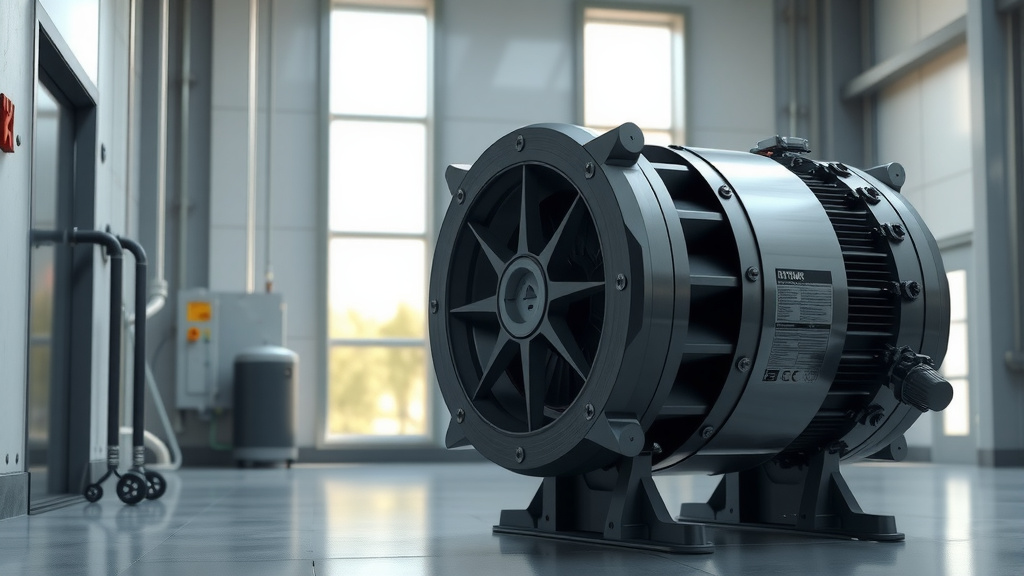
An oil-free scroll air compressor uses two spiraling, interleaved scrolls—one fixed and one orbiting—to compress air without any lubrication oil ever touching the air stream.
This design ensures the compressed air is completely free of oil contaminants, making it ideal for applications where air purity is critical.
- Oil-free scroll compressors use a unique design with two scrolls to compress air.
- They are “oil-free” because no oil is used in the compression chamber, ensuring pure air.
- You’ll find them in sensitive environments like medical facilities and food production.
- Key benefits include quieter operation, lower maintenance, and guaranteed clean air.
- While often a higher upfront cost, their operational advantages can be significant.
What Is An Oil Free Scroll Air Compressor?
An oil-free scroll air compressor is a type of air compressor that generates compressed air using a unique spiral mechanism, completely isolating the air from oil contamination. This means the air you get is exceptionally clean, which is a big deal for many industries.
How Does a Scroll Compressor Work Its Magic?
Imagine two intertwined spirals, much like a snail’s shell. One spiral stays still, while the other orbits around it. As the orbiting scroll moves, it traps pockets of air between the spirals. These pockets get smaller and smaller as they move towards the center, increasing the air pressure. It’s a smooth, continuous process.
Because there’s no metal-on-metal contact between the scrolls during compression—they maintain a tiny gap—there’s no need for oil lubrication in the compression chamber itself. This design is what makes them inherently oil-free and highly reliable.
What Makes It “Oil-Free” Truly Different?
When we say “oil-free,” we’re talking about the compression process itself. In traditional compressors, oil often lubricates moving parts inside the chamber and helps seal gaps. With scroll compressors, the ingenious design removes this need entirely for the air compression stage. This means zero oil mist or vapor gets into your compressed air output.
Think of it like this: if you’re baking a cake, would you want motor oil accidentally dripping into your batter? Of course not! Similarly, many industries need air that’s pure, without even a trace of oil, and that’s where these compressors shine.
Why Choose Oil-Free? Your Business Might Depend On It
The primary reason businesses opt for oil-free scroll compressors is the absolute assurance of air purity. If your operations can’t tolerate even the slightest oil contamination, this technology is a game-changer. It protects your products, your equipment, and sometimes even your patients.
Many experts say that choosing an oil-free system can prevent costly product recalls, safeguard sensitive instruments, and maintain compliance with strict industry standards (ISO 8573-1 Class 0, for instance).
The Quiet Revolution: A Calmer Workspace
One of the first things you’ll notice about an oil-free scroll compressor is its quiet operation. Compared to many other compressor types, they purr rather than roar. This is because the scrolls move smoothly, without the noisy piston actions or complex gearboxes that create sound.
A quieter environment is a happier and more productive one. Imagine a dental office or a laboratory where constant compressor noise could distract patients or precision work. The low noise level of scroll compressors makes them perfect for point-of-use applications.
Maintenance Ease: Less Hassle, More Uptime
Because there’s no oil in the compression chamber, you eliminate all the maintenance tasks associated with oil. This means no oil changes, no oil filter replacements, and no oil disposal. That’s a significant time and cost saving over the compressor’s lifespan.
We found that many facilities appreciate this simplified maintenance schedule, allowing staff to focus on other critical tasks rather than routine compressor upkeep (equipment manufacturers often highlight this).
Are There Any Trade-offs You Should Know About?
While oil-free scroll compressors offer compelling advantages, it’s wise to consider the complete picture. Every piece of equipment has its ideal application, and understanding the trade-offs helps you make the best decision for your unique needs.
Initial Investment: A Higher Upfront Cost?
Generally, oil-free scroll compressors tend to have a higher initial purchase price than their lubricated counterparts. This is due to the precision engineering and specialized materials needed to operate without oil in the compression zone. It’s a premium product designed for premium performance.
However, when you factor in the long-term savings on maintenance, energy efficiency, and the avoidance of costly contamination issues, that initial investment often proves to be well worth it. Think of it as investing in peace of mind and operational purity.
When Might a Scroll Compressor Not Be Your Best Fit?
For applications that don’t require super-pure air—like simply powering an air wrench in a general workshop—the added cost of an oil-free scroll compressor might be overkill. In such cases, a less expensive, oil-lubricated compressor could suffice. Also, for extremely high-volume or very high-pressure industrial applications, other compressor types might offer better efficiency or scalability (industry experts often weigh these factors).
Where Do Oil-Free Scrolls Truly Shine? Top Applications
The need for clean, oil-free air is surprisingly widespread across various industries. Here’s where oil-free scroll compressors are often the preferred choice, safeguarding sensitive processes and ensuring product integrity.
- Medical and Dental Offices: Powering respirators, dental drills, and surgical tools requires impeccably clean air to protect patients.
- Food and Beverage Production: Air contacting ingredients or packaging must be oil-free to prevent contamination and maintain food safety standards.
- Pharmaceutical Manufacturing: Critical for drug production, where even tiny impurities can compromise product quality and efficacy.
- Laboratories: Used in scientific instruments, analytical equipment, and cleanroom environments where air purity is paramount for accurate results.
- Electronics Manufacturing: Essential for delicate processes like circuit board assembly, where oil residue could damage components.
- Breweries: Used in processes like aeration and packaging to ensure the purity and taste of the final product.
Thinking About Buying? Your Checklist for Success
Choosing the right compressor involves more than just picking “oil-free.” You need to consider your specific operational demands. Here are some key points to ponder before making your purchase:
Here’s a quick checklist:
- What is your required airflow (CFM or m³/hr)?
- What pressure (PSI or Bar) do your tools or processes need?
- What are your absolute air purity requirements (ISO class)?
- How critical is noise level in your operating environment?
- What’s your long-term budget for operation and maintenance?
- Is expandability or future capacity a concern?
Is an Oil-Free Scroll Compressor Right for Your Business?
Ultimately, the decision comes down to your priorities. If you value uncompromising air purity, quiet operation, and reduced maintenance burdens, an oil-free scroll compressor is an excellent investment. It provides peace of mind and often contributes to higher product quality and operational efficiency.
If your application demands air that safeguards health, ensures product integrity, or prevents equipment damage from oil, then we found that these compressors are often the gold standard. They deliver consistent, clean performance without compromise.
Conclusion
An oil-free scroll air compressor represents a smart solution for businesses where air quality is non-negotiable. With its innovative design, it delivers consistent, clean air, quietly and efficiently, minimizing maintenance worries. While the initial cost might be higher, the long-term benefits in terms of product purity, operational savings, and compliance often outweigh this. Understanding your specific needs will guide you to determine if this reliable technology is the perfect fit for your critical operations.
What does “oil-free” truly mean for compressor performance?
For compressor performance, “oil-free” means the compressed air leaving the unit is free from oil contamination. This eliminates the need for expensive filtration systems to remove oil from the air stream, ensuring direct pure air output suitable for sensitive applications without extra steps or risk.
Are oil-free scroll compressors more energy efficient?
Oil-free scroll compressors are generally considered energy efficient, especially at partial loads. Their continuous compression cycle and lack of oil in the compression chamber contribute to smooth operation. However, overall energy efficiency can vary based on the specific model, size, and how it’s integrated into your system.
How does the lifespan of an oil-free scroll compressor compare to other types?
The lifespan of an oil-free scroll compressor can be quite long, often comparable to or exceeding other types, especially with proper maintenance. The minimal contact between the scrolls and the absence of oil-related issues like sludge buildup contribute to their durability. Regular servicing of bearings and other components helps maintain their longevity.
Can I convert an oil-lubricated compressor to be oil-free?
No, you cannot convert an oil-lubricated compressor to be oil-free. The fundamental design and engineering principles are entirely different. Oil-lubricated compressors rely on oil for sealing, lubrication, and heat dissipation within the compression chamber, whereas oil-free designs achieve this through precise tolerances and specialized materials. Trying to remove oil from a lubricated system would lead to immediate failure.
What certifications should I look for when buying an oil-free scroll compressor?
When purchasing an oil-free scroll compressor, look for certifications like ISO 8573-1 Class 0, which guarantees zero oil contamination in the compressed air. This is the highest standard for air purity. Other relevant certifications might include CE for European safety standards, or local electrical and pressure vessel codes, depending on your region and application.
