
Do Air Compressors Need To Be Inspected?
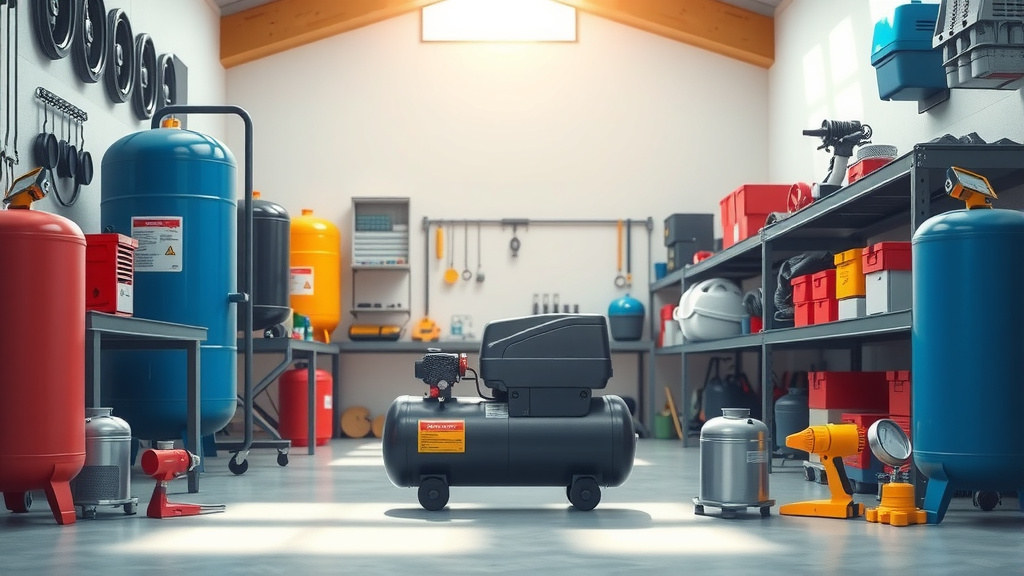
Yes, air compressors absolutely need to be inspected regularly to ensure safe operation, peak efficiency, and a longer lifespan. Neglecting inspections can lead to dangerous malfunctions and costly repairs.
Routine checks help you catch small issues before they become major problems, protecting both your equipment and anyone working nearby.
For those looking for a quick overview of air compressor inspections, here’s what you need to know:
- Regular inspections are mandatory for safety and operational health.
- You should perform daily visual checks and schedule professional annual inspections.
- Ignoring inspections can lead to accidents, equipment failure, and higher energy bills.
- Key inspection areas include filters, oil, drains, hoses, and safety valves.
- Staying compliant with safety standards helps avoid legal issues and penalties.
Do Air Compressors Need To Be Inspected?
Yes, air compressors definitely need regular inspections. Think of it like a car; you wouldn’t drive it for years without an oil change or tire check, right?
Your air compressor is a powerful machine, and proper care is not optional; it’s essential.
Why Bother with Inspections? It’s About More Than Just Air!
Many people wonder why they should spend time or money inspecting their air compressor. It’s not just about keeping the air flowing; it’s about safety, savings, and performance.
Ignoring maintenance can turn a simple tool into a significant liability. We found that most serious incidents are often preventable with routine attention (OSHA guidelines).
Safety First: Protecting People and Property
An air compressor stores air under high pressure. If something fails, it can explode or cause other serious harm. That’s a scary thought, isn’t it?
Regular inspections help identify potential hazards like weak tanks or faulty safety valves before they become catastrophic.
Saving Your Pennies: Reducing Operating Costs
Did you know a poorly maintained air compressor can consume much more electricity? Leaks, clogged filters, and old oil all make your compressor work harder.
Inspections help you find and fix these inefficiencies, leading to lower energy bills and more money in your pocket.
Extending Lifespan: Making Your Investment Last
Air compressors aren’t cheap. You want yours to last as long as possible, right? Just like any machine, consistent care extends its life.
Regular checks and timely fixes prevent minor wear and tear from becoming major component failures, protecting your initial investment.
Staying Legal: Compliance and Regulations
Depending on where you are and how you use your compressor, there might be specific safety regulations you need to follow. Many experts say that compliance is non-negotiable for businesses.
Routine inspections help you meet these requirements, avoiding fines and ensuring your operation is up to code (Local Safety Regulations).
What Should You Look At During an Inspection?
So, what exactly are you looking for when you inspect your air compressor? It’s not about taking it apart every time, but knowing the key components that need attention.
Think of it as a doctor’s check-up for your machine.
The Daily Quick Check
You can do some things every day, or before each use. These are quick but important habits.
- Drain the Receiver Tank: Condensation builds up. If you don’t drain it, rust can form and weaken the tank.
- Check for Leaks: Listen for hissing sounds. Even small air leaks waste a lot of energy over time.
- Monitor Oil Level (if applicable): Just like your car, proper oil levels keep moving parts lubricated and cool.
The Monthly Deep Dive
Once a month, you should dedicate a bit more time to a thorough inspection. This is where you get into the slightly more detailed items.
Many guidelines suggest a monthly check of these areas to prevent common failures.
| Component to Inspect | What to Look For | Why It Matters |
|---|---|---|
| Air Filters | Dirt, dust, blockage | Clean air prevents internal damage and maintains efficiency. |
| Oil Quality | Discoloration, contaminants | Good oil lubricates and cools, preventing wear. |
| Hoses & Connections | Cracks, fraying, loose fittings | Prevents air leaks and maintains pressure. |
| Belts & Pulleys | Wear, proper tension | Ensures smooth operation and prevents motor strain. |
| Pressure Gauges | Accuracy, proper readings | Confirms safe operating pressure. |
The Annual Professional Review
Even if you’re great with routine checks, a certified technician should inspect your air compressor annually. They have specialized tools and knowledge.
We found that professional inspections catch issues that even the most diligent owner might miss, like internal tank corrosion or valve wear (Industry Best Practices).
Your Compressor Inspection Checklist
Here’s a simple checklist to guide your inspections. You can even print this out and keep it near your compressor!
- Visually inspect the entire unit for any obvious damage.
- Check the pressure relief valve to ensure it’s functional and not stuck.
- Verify all electrical connections are tight and show no signs of scorching or wear.
- Examine the condition of the power cord for cuts or frayed insulation.
- Test the auto-drain valve (if present) to confirm it’s draining properly.
- Listen for unusual noises like grinding, rattling, or excessive vibration.
Who Should Perform the Inspection?
Some inspections you can definitely handle yourself. Daily checks and basic monthly tasks are within your grasp as an owner or operator.
However, when it comes to more complex systems or the annual deep dive, you really want a certified air compressor technician.
They have the training to safely test pressure relief valves, inspect tank integrity, and address complex electrical or mechanical issues (Compressed Air & Gas Institute).
Conclusion
So, do air compressors need to be inspected? The answer is a resounding yes! Regular inspections are not just a good idea; they are a fundamental part of owning and operating an air compressor safely and efficiently.
From protecting your wallet by lowering energy costs to safeguarding lives by preventing accidents, the benefits are clear. Make inspections a regular part of your routine, and your air compressor will thank you with years of reliable, safe performance.
FAQs About Air Compressor Inspections
How often should I drain my air compressor tank?
You should drain your air compressor tank daily, or after each use, to remove condensed moisture. This simple act prevents rust and corrosion inside the tank, which could lead to dangerous tank failure over time.
What happens if I don’t inspect my air compressor?
Ignoring air compressor inspections can lead to several problems, including reduced efficiency, higher energy bills, unexpected breakdowns, costly repairs, and potential safety hazards like tank ruptures or electrical fires. It also shortens the overall lifespan of your equipment.
Can I inspect my air compressor myself, or do I need a professional?
You can and should perform routine visual checks and basic maintenance tasks yourself, such as draining the tank, checking oil levels, and listening for leaks. However, a professional technician should conduct a more thorough annual inspection, especially for larger or industrial units, to check internal components, safety valves, and ensure compliance with regulations.
How do I know if my air compressor has a leak?
The most common signs of an air compressor leak are a constant running motor even when no air is being used, or a noticeable drop in pressure when the unit is idle. You can often hear a distinct “hissing” sound. For small leaks, a spray bottle with soapy water can help identify the exact spot by looking for bubbles.
Is there a specific training required for air compressor inspection?
While no universal certification is required for basic owner-operator checks, professional technicians who perform detailed inspections often have specialized training in compressed air systems, safety protocols, and specific equipment types. Many industry organizations offer certifications for compressed air system maintenance and safety. Always choose a reputable technician with proven experience.
