
Do Gas Stations Have Air Compressors?
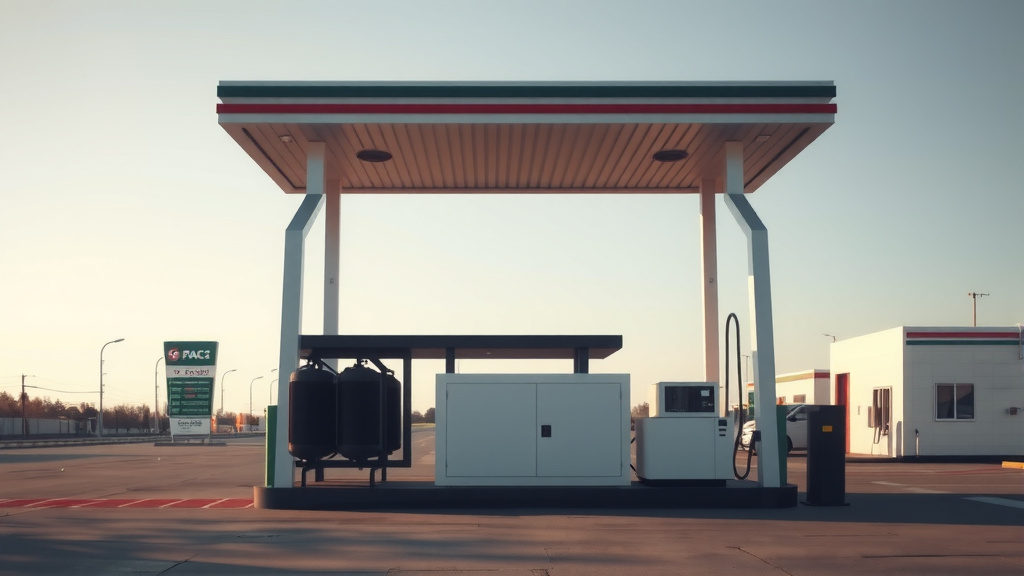
Yes, many gas stations do have air compressors available for public use. You’ll often find them conveniently located near the fuel pumps or at a designated service area.
These gas station air compressors are typically designed for basic tire inflation, helping you keep your vehicle safe and fuel-efficient on the road.
Here’s a quick look at what you’ll find in this article:
- Most gas stations offer air compressors, some free, some coin-operated.
- They are handy for quick tire top-ups, ensuring your safety.
- Learning to use them is simple, often involving just a few steps.
- Always check your tire pressure when tires are cold for best accuracy.
- Consider portable alternatives for more convenience or specific needs.
Do Gas Stations Have Air Compressors?
Many gas stations across the country are equipped with air compressors. They offer a quick and easy way to inflate your vehicle’s tires. This service is a common amenity for drivers.
You can usually spot them by a small machine with a hose, often near the side of the building. This convenience helps you maintain proper tire pressure.
Why Gas Stations Offer Air Compressors
Gas stations provide air compressors primarily for customer convenience. They understand the importance of correctly inflated tires. It’s a service that keeps drivers coming back.
Maintaining proper tire pressure is vital for road safety. It also helps with your vehicle’s fuel efficiency. Gas stations offer a quick solution to this need.
More Than Just Fuel Stops
Think of gas stations as more than just places to fill up your tank. They are community hubs offering various services. Air compressors are a key part of that.
They provide quick fixes for common car problems. This helps you get back on the road safely and without much fuss. It’s about providing a complete service.
Types of Air Compressors You’ll Find
You’ll typically encounter two main types of air compressors at gas stations. Knowing the difference can save you time and sometimes a few coins. Both serve the same basic function.
They are designed to be user-friendly for all drivers. You don’t need to be a car expert to use them effectively. We found them very straightforward.
Coin-Operated vs. Free Air
Some gas stations offer air for a small fee, often a quarter or two. These are coin-operated machines. They might also accept credit cards.
Other stations provide free air, which is a great bonus. Look for signs that say “Free Air” or “Complimentary Air.” We found many stations are now offering this.
Free air is becoming more common, especially at larger chain stations. It’s a welcome convenience for drivers. Just pull up and start inflating.
How to Use a Gas Station Air Compressor
Using a gas station air compressor is a fairly simple process. You don’t need any special skills or tools. Just follow a few basic steps.
It usually takes only a few minutes to top off all four tires. This quick task can make a big difference for your drive. Many experts say it’s a crucial habit.
Simple Steps to Tire Inflation
First, find your car’s recommended tire pressure. This is usually on a sticker inside the driver’s door jamb (NHTSA recommends checking this). It’s crucial for safe driving.
Next, remove the valve cap from your tire. Press the air hose nozzle firmly onto the valve stem. You’ll hear air flowing into the tire.
Many modern compressors have a built-in gauge. It will show the current pressure. Stop inflating when you reach the recommended PSI. Replace the valve cap when finished.
When Gas Station Air Might Not Be Right For You
While gas station air compressors are convenient, they aren’t always the perfect solution. Sometimes, you might need a different approach. It depends on your situation.
Consider a few factors before relying solely on these public machines. Your specific needs might lead you elsewhere. We’ve seen this often.
Limitations to Consider
Sometimes, the air compressor at a gas station might be out of order. This can be frustrating when you’re in a hurry. It’s a common issue we found.
Also, the gauges on public machines can sometimes be inaccurate. This means your tires might not be inflated correctly (Consumer Reports). It’s a good idea to carry your own gauge.
For large trucks or RVs, the compressor might not be powerful enough. You might need a more robust machine. These situations call for alternatives.
Other Options for Filling Your Tires
If a gas station compressor isn’t available or suitable, you have other choices. These options offer more control and convenience. You’re not stuck without air.
Having alternatives ensures you can always maintain proper tire pressure. It’s about being prepared for anything. Many drivers prefer their own setup.
Your Home Compressor Advantage
Owning a home air compressor gives you ultimate flexibility. You can inflate your tires whenever needed, right in your driveway. No more trips to the gas station.
They come in various sizes and power levels. You can choose one that fits your needs. This is a great long-term investment for car care.
Portable Air Compressors for On-the-Go
Portable air compressors are small, battery-powered or plug into your car’s 12V outlet. They are perfect for emergencies or quick top-ups. Keep one in your trunk for peace of mind.
These devices are surprisingly powerful and compact. We found they are very handy for unexpected low tire pressure. They are truly a game-changer.
The Importance of Correct Tire Pressure
Maintaining correct tire pressure is not just a suggestion; it’s a safety requirement. It impacts how your car handles. It also affects your wallet.
Under-inflated or over-inflated tires can lead to serious problems. Many guidelines point to regular pressure checks as a good first step (Mayo Clinic).
Beyond Just a Smooth Ride
Correct tire pressure helps your tires last longer. This saves you money on replacements. It also improves your vehicle’s fuel efficiency.
More importantly, it ensures your car handles safely. This is especially true when braking or turning. Safe driving starts with your tires.
Here’s a quick checklist before you head to the gas station for air:
- Know your car’s recommended PSI.
- Check your tires when they are cold.
- Have some quarters handy, just in case.
- Carry your own reliable tire pressure gauge.
- Inspect tires for any visible damage before inflating.
To help you decide, here’s a comparison of gas station air vs. home/portable options:
| Feature | Gas Station Air | Home/Portable Air |
|---|---|---|
| Cost | Free or small fee ($0.50-$2) | Initial purchase cost, then free |
| Convenience | Available during business hours, public location | Anytime, anywhere (home or roadside) |
| Accuracy | Can vary, sometimes unreliable gauges | Generally more reliable if you use own gauge |
| Availability | Subject to working condition, queues | Always available when you need it |
Conclusion
Many gas stations do offer air compressors, providing a quick and easy solution for tire inflation. It’s a common and useful service for drivers. Keeping your tires properly inflated is essential for safety and efficiency.
While convenient, remember to check for accuracy or consider portable alternatives for more control. Your vehicle and your peace of mind will thank you. Staying informed helps you make the best choices for your car.
How much does it cost to use an air compressor at a gas station?
The cost varies; some gas stations offer air for free, while others charge a small fee, typically between $0.50 and $2.00. It’s always a good idea to have some quarters or a credit card ready, just in case.
Are gas station air compressors accurate?
The accuracy of gas station air compressors can vary. While many are reliable, some public machines might have worn or uncalibrated gauges, leading to incorrect pressure readings. For the most accurate results, consider using your own trusted tire pressure gauge after inflating.
Can I use a gas station air compressor for bike tires?
Most gas station air compressors are designed for car tires and use a Schrader valve fitting. If your bike tires also use a Schrader valve, you can use the compressor. However, if your bike has Presta valves, you will need a special adapter, which typically does not come with gas station compressors.
What should I do if the gas station air compressor isn’t working?
If a gas station air compressor isn’t working, try another gas station nearby or consider alternative options. Many auto parts stores also have air compressors, or you could invest in a small portable compressor for your car. Don’t drive on significantly underinflated tires.
How often should I check my tire pressure?
Experts recommend checking your tire pressure at least once a month and before long trips. Tire pressure can change with temperature fluctuations, so regular checks are vital. Always check your tires when they are “cold” – meaning they haven’t been driven on for at least three hours or more than a mile.
