
Do I Need To Break In My Air Compressor?
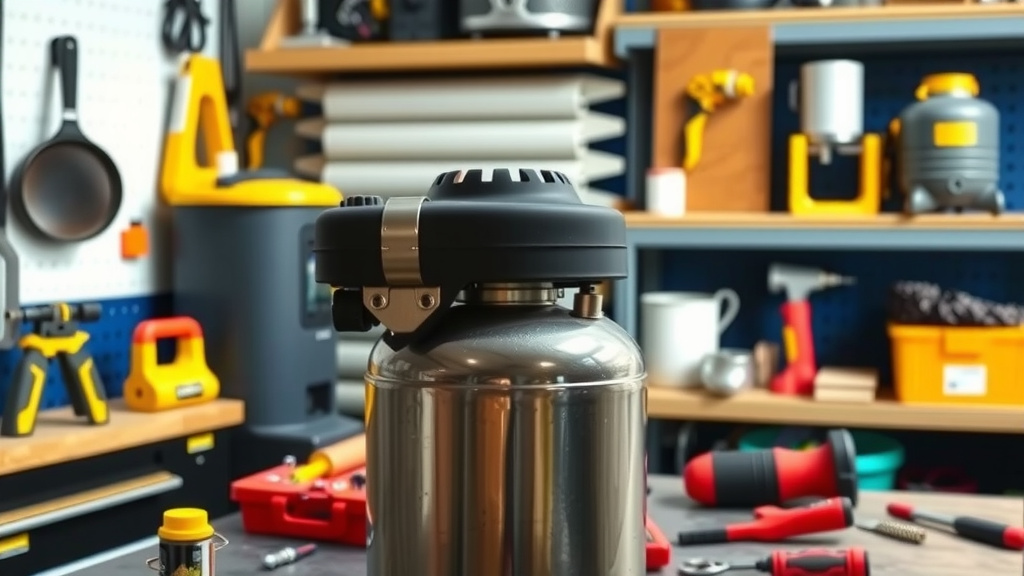
Yes, it’s generally recommended to break in your new air compressor, especially piston-driven models, to ensure optimal performance and extend its lifespan. This process, often called an “unloaded break-in,” allows moving parts to properly seat and lubricate.
Breaking in your air compressor involves running it without a load for a specific period, helping the internal components settle and preventing premature wear.
- Running your new air compressor unloaded helps parts like piston rings seat properly.
- This simple step can prevent premature wear and ensure your compressor lasts longer.
- Always check your owner’s manual for specific break-in instructions.
- Not all compressor types require the same break-in procedure; some need none at all.
- A correct break-in means better performance and fewer issues down the road.
Do I Need To Break In My Air Compressor?
For most piston-style air compressors, the answer is a clear yes. This initial run allows the engine and pump components to settle in smoothly.
It’s like breaking in a new car engine; a short, careful initial use prepares it for years of hard work.
Why “Break-In” Matters
You might wonder why a brand-new machine needs a special start. Think of it as a crucial first step for its long-term health.
New components, fresh from manufacturing, need time to get acquainted with each other.
Initial Wear and Seating
When your air compressor is new, its internal parts, like piston rings and cylinder walls, are quite tight. Running the compressor without pressure allows these parts to rub together gently.
This gentle friction helps them wear into their final, perfect fit. Many experts say this initial seating is vital (Air Compressor Manufacturers Association).
Optimizing Performance
A properly broken-in compressor usually runs more efficiently. The components work in harmony, reducing friction and generating less heat.
This means you get better air output and your compressor consumes less energy over time.
The “Unloaded Break-In” Process
This isn’t about running your compressor hard. Instead, it’s about letting it cycle freely, without building up pressure in the tank.
It’s a low-stress way to introduce the moving parts to their job.
What Happens During Unloaded Running?
During an unloaded break-in, you simply open a drain valve or remove a pressure hose. This prevents the tank from pressurizing.
The pump runs continuously, but it isn’t fighting against tank pressure. This allows the piston and rings to cycle freely.
Why This Step is Important
This period allows the piston rings to “seat” against the cylinder walls. It creates a better seal, which is critical for efficient compression.
It also helps distribute the initial oil film throughout the pump, reducing friction during its first hours of operation.
Step-by-Step Break-In Guide
Following a simple guide can make sure you do it right. Your compressor’s manual is your best friend here, but these steps are a general rule.
Always prioritize what your specific model’s manual tells you.
Pre-Break-In Checks
Before you even turn it on, a few quick checks can save you trouble. Think of it as a pre-flight inspection for your compressor.
It ensures everything is ready for its first run.
- Check the oil level in the pump (if it’s oil-lubricated). Add oil if needed.
- Make sure all fasteners and connections are snug.
- Verify the power connection matches your compressor’s requirements.
- Position the compressor on a level, stable surface.
- Locate the tank drain valve and ensure it operates freely.
The Unloaded Run
This is the core of the break-in. It’s usually a short period, but it’s important not to skip it.
Your manual will specify the exact duration, often 20-30 minutes.
First, open the tank drain valve completely. This stops any pressure buildup. Next, turn on your compressor. Let it run continuously, or as specified in your manual, for the recommended time.
This allows all moving parts to settle in without fighting against back pressure. We found that most manufacturers suggest this step (SAE International).
Monitoring Your Compressor
While it’s running, pay attention. Listen for any unusual noises. Check for any leaks around fittings.
It’s a good opportunity to get familiar with its normal operating sounds.
If you notice anything strange, shut it down and consult the manual. It’s better to be safe than sorry during these initial stages.
What About Different Compressor Types?
Not all air compressors are built the same, and their break-in needs can differ. Knowing your type helps immensely.
Some need careful attention, others are ready to go.
Piston Compressors: The Classic Case
These are the most common type needing a break-in. They use pistons to compress air, similar to an engine.
The piston rings are the main reason for the unloaded run.
Rotary Screw Compressors: A Different Story
Rotary screw compressors operate differently. They use two intermeshing helical screws to compress air.
Generally, these don’t require the same “unloaded” break-in as piston models. Their design minimizes initial wear points in the same way.
Oil-Free vs. Oil-Lubricated
The lubrication method also plays a role in break-in. Here’s a quick comparison:
| Compressor Type | Break-In Requirement | Key Reason |
|---|---|---|
| Oil-Lubricated Piston | Often required (unloaded run) | Seating of piston rings, oil distribution |
| Oil-Free Piston | Sometimes recommended (check manual) | Component seating for seals |
| Rotary Screw | Rarely needed (consult manual) | Continuous lubrication, different compression method |
Common Mistakes to Avoid
Even with good intentions, it’s easy to make small errors. Knowing what to watch out for can save you time and potential headaches.
A little awareness goes a long way here.
Rushing the Process
It’s tempting to put your new compressor to work right away. But skipping or shortening the break-in is a common mistake.
This can lead to premature wear and reduced efficiency down the line.
Ignoring the Manual
Every air compressor is a bit different. Your owner’s manual has specific instructions tailored to your model.
Always read it thoroughly; it’s there for a reason and contains vital details.
Overlooking Initial Maintenance
Don’t forget the basic checks before starting. Ensuring proper oil levels and tight connections prevents problems from the very first use.
This small effort pays off in the long run.
After the Break-In: What Next?
Once you’ve completed the break-in, your compressor is ready for normal use. But the care doesn’t stop there.
A few more steps will ensure it stays in top shape.
Regular Checks are Key
Periodically check for leaks, listen for unusual noises, and monitor the oil level (if applicable). This keeps small problems from becoming big ones.
A well-maintained compressor runs reliably for years.
First Oil Change
Many experts recommend an early first oil change for oil-lubricated compressors. This is typically after the first 25-50 hours of operation.
This early change removes any small wear particles that might have accumulated during the break-in period.
Conclusion
Breaking in your air compressor, especially a new piston model, is a small but important step. It’s about giving your new equipment the best possible start.
By following the manufacturer’s guidelines, you ensure that components seat properly, leading to optimal performance and a longer operational life.
So, take a few extra minutes for this initial care. Your compressor, and your projects, will thank you for it.
Does breaking in an air compressor make it last longer?
Yes, absolutely. A proper break-in allows the internal moving parts to seat correctly, reducing friction and wear from the start. This process can significantly extend the lifespan of your air compressor by preventing early damage.
How long should I break in my air compressor?
The duration varies by manufacturer and model, but a common recommendation for piston compressors is to run them unloaded for 20 to 30 minutes. Always check your specific owner’s manual for the precise recommended time.
What if I don’t break in my new air compressor?
If you skip the break-in, the internal components might not seat properly. This could lead to increased friction, faster wear, reduced efficiency, and potentially a shorter overall lifespan for your compressor. It’s a small step that prevents bigger issues.
Can I use my air compressor for light tasks during break-in?
No, it’s generally best to avoid any load during the initial break-in period. The purpose is to allow components to settle without the added stress of compressing air under pressure. Keep the tank drain open throughout the specified break-in time.
Do all types of air compressors require a break-in?
Not all types. Piston-driven air compressors, both oil-lubricated and some oil-free models, often require a break-in. Rotary screw compressors typically do not, as their design and continuous lubrication systems operate differently. Always consult your specific compressor’s manual.
