
Do Tow Trucks Have Air Compressors?
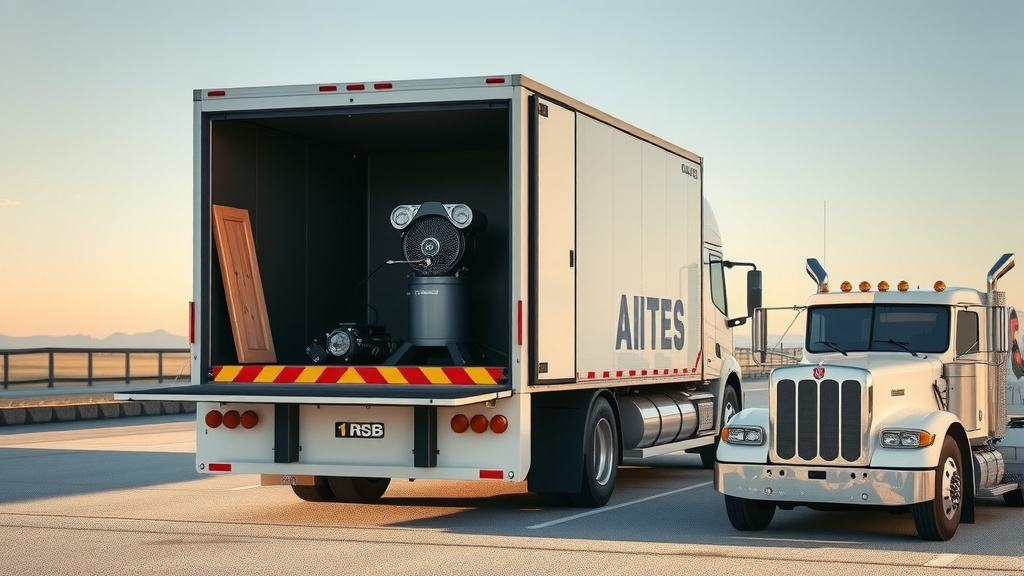
Yes, many tow trucks, especially medium to heavy-duty models, are equipped with onboard air compressors. These compressors are crucial for operating air brakes, inflating tires, and powering various air tools needed for roadside assistance and vehicle recovery.
You’ll typically find a tow truck’s air compressor system powering essential functions, ensuring the vehicle can perform safely and efficiently in challenging situations on the road.
- Tow trucks, particularly larger recovery vehicles, frequently feature built-in air compressors.
- These integrated systems are vital for activating air brakes and maintaining tire pressure.
- An onboard compressor also powers various pneumatic tools essential for roadside repairs.
- Without this air power, many common towing and recovery tasks would be difficult or impossible.
- Regular maintenance is key to keeping these compressor systems reliable and ready for emergencies.
Do Tow Trucks Have Air Compressors?
Yes, a significant number of tow trucks are indeed equipped with air compressors. This feature is particularly common and often standard on medium and heavy-duty towing vehicles due to their operational needs.
Why Air Power is Critical for Tow Trucks
Imagine a tow truck needing to stop a heavy load. Or inflating a flat tire by the highway. How about fixing a small mechanical issue with power tools? All these tasks often rely heavily on air power.
Tow trucks often face unexpected challenges, and their onboard air systems provide the versatility and power to handle them. We found that a reliable air supply is a backbone of efficient roadside assistance.
The Lifeline for Air Brakes
Many heavy-duty tow trucks operate with air brake systems, similar to tractor-trailers. An onboard air compressor is absolutely non-negotiable for these vehicles. It constantly supplies compressed air to keep the brakes functional and safe (Federal Motor Carrier Safety Administration guidelines).
Without constant air pressure, the brakes would fail, leading to dangerous situations. This system maintains the pressure, allowing the tow truck to stop reliably, even with a heavy load.
Inflating Tires On-Site
Picture this: a stranded motorist with a flat tire. The tow truck arrives, and boom – they have the air compressor right there. This allows for quick inflation of tires on the spot, getting you rolling faster.
Whether it’s a car, a truck, or even the tow vehicle’s own tires, an onboard air compressor means you’re ready for anything. It saves precious time and avoids the need for a separate portable unit.
Driving Air Tools for Speedy Repairs
Have you ever seen a tow truck operator quickly loosen stubborn lug nuts? Chances are, they were using an air impact wrench. These powerful tools run on compressed air, making quick work of tough jobs.
Beyond impact wrenches, air compressors can power air jacks, blow guns for cleaning, and other pneumatic tools. This capability allows tow truck drivers to perform minor repairs and recoveries efficiently (many experts say).
Air Compressor Types Across Tow Trucks
The type of tow truck often determines if it has an air compressor and what kind. Not every tow truck has the same needs or equipment. It largely depends on the typical jobs it performs.
Understanding these differences helps us see why some trucks are outfitted with complex air systems, while others might manage with simpler setups. It’s all about matching the tool to the task.
Light-Duty vs. Heavy-Duty Systems
Light-duty tow trucks, like those designed for cars and small SUVs, sometimes don’t have built-in air compressors. Their braking systems are often hydraulic, and tire inflation might be handled by portable units.
However, medium and heavy-duty tow trucks, which handle buses, tractor-trailers, and large equipment, almost always have robust onboard air systems. These are crucial for their air brakes and heavy-duty lifting equipment.
How a Tow Truck’s Air System Operates
An onboard air compressor isn’t just a pump; it’s a complete system designed for reliability and safety. It continuously monitors and maintains air pressure for various functions. It’s a bit like your heart, always working to keep things flowing.
We found that these systems are usually engine-driven, meaning they run off the truck’s main engine. This ensures a constant and powerful air supply whenever the truck is operating.
Key Components You Should Know
At its core, the system includes the compressor itself, which draws in air and compresses it. Then there’s an air tank, or receiver, that stores the compressed air. This stored air ensures an immediate supply when needed.
Other vital parts include air lines, pressure regulators, and air dryers. Air dryers are especially important to remove moisture, which can cause damage to the system over time (Trucking Info reports).
Maintaining Your Tow Truck’s Air Compressor
Just like any critical piece of equipment, a tow truck’s air compressor system needs regular attention. Neglecting it can lead to breakdowns, safety issues, and costly repairs. Think of it as giving your car regular oil changes.
Many experts say that proactive maintenance ensures the system is always ready for action. It extends the lifespan of the components and prevents unexpected failures on the job.
The Role of Portable Air Compressors
What if a tow truck doesn’t have an integrated system? Or what if it needs extra air for a unique situation? This is where portable air compressors come into play. They offer flexibility for various tasks.
Portable units can be electric, running off the truck’s battery, or gasoline-powered for higher output. They are a good backup or primary solution for lighter tasks, though they lack the constant readiness of an onboard system.
Selecting the Right Compressor for Your Needs
Choosing an air compressor for towing involves considering several factors: the type of towing, the tools you use, and available power. It’s not a one-size-fits-all decision.
Here’s a quick overview to help you think about different options:
| Compressor Type | Power Source | Best Use in Towing |
|---|---|---|
| Integrated Onboard | Truck Engine | Heavy-duty, constant air demand (brakes, powerful tools). |
| Portable Electric | Vehicle Battery (12V) | Light-duty, occasional tire inflation, small air tools. |
| Portable Gas-Powered | Gasoline Engine | Remote areas, higher CFM needs for impact wrenches. |
Essential Air Compressor Safety Tips
Using any air tool or compressor system requires careful handling. Safety should always be your top priority, especially when working on the side of a busy road. A few simple steps can prevent accidents.
Here’s a quick checklist to keep you safe when operating air compressors and tools:
- Wear eye protection: Always shield your eyes from flying debris and dust.
- Check hose condition: Look for cracks, frays, or leaks in air hoses before each use.
- Secure connections: Ensure all fittings, hoses, and tools are tightly connected.
- Mind air pressure: Never exceed the maximum pressure ratings for tools or tires.
- Ventilation is key: Use air tools in well-ventilated areas to avoid carbon monoxide buildup if using gas models.
Conclusion
So, do tow trucks have air compressors? For many, especially the powerful medium and heavy-duty models, the answer is a resounding yes. These onboard systems are not just an accessory; they are a fundamental part of the truck’s operational capacity.
From ensuring safe air braking to powering essential roadside tools and inflating tires, air compressors keep tow trucks functional and ready for any challenge. Understanding their role helps us appreciate the complexity and ingenuity behind these vital machines on our roads.
Do all tow trucks have air brakes requiring a compressor?
No, not all tow trucks have air brakes. Smaller, light-duty tow trucks typically use hydraulic brake systems. Air brakes are common on medium and heavy-duty tow trucks due to the weight they handle.
How often should a tow truck’s air compressor be serviced?
The service interval depends on usage and manufacturer recommendations. Generally, experts suggest checking the air system, including draining moisture and inspecting filters, at least every few months or during routine truck maintenance.
Can a tow truck’s air compressor be used for other vehicles?
Yes, an onboard air compressor is often used to inflate tires or even provide air to the air brake system of the vehicle being towed, especially larger trucks, to make towing safer and easier.
What is the main difference between an engine-driven and an electric air compressor for a tow truck?
An engine-driven compressor is powered directly by the truck’s engine, offering continuous, high-volume air. An electric compressor runs off the truck’s battery, providing good, but often less powerful, intermittent air supply.
Is an air dryer essential for a tow truck’s air compressor system?
Yes, an air dryer is highly important. It removes moisture from the compressed air, which prevents rust, ice formation in cold weather, and damage to air brake components and tools, ensuring system longevity and reliability.
