
Do You Need Teflon Tape For Air Compressor Fittings?
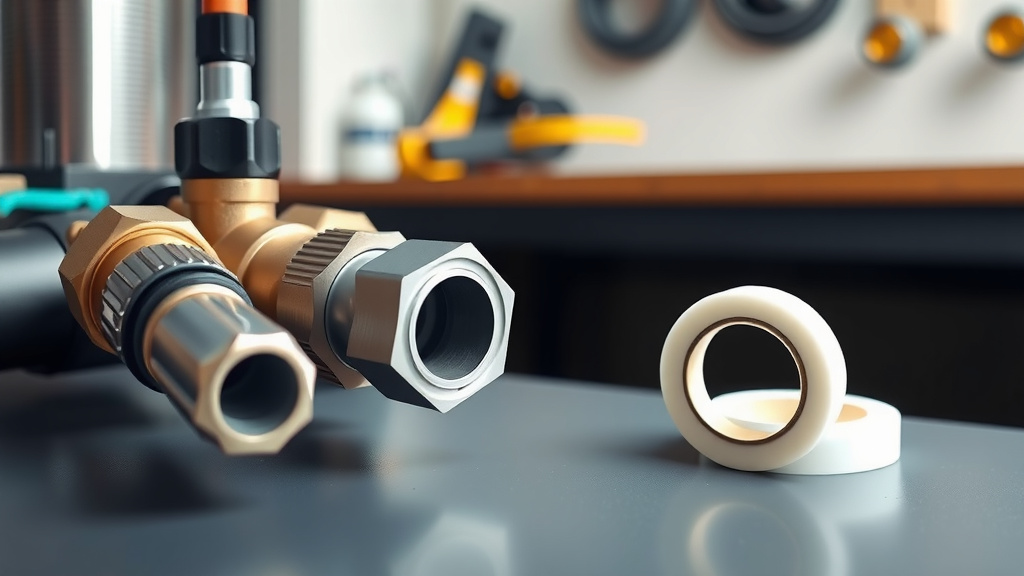
Yes, you generally need Teflon tape for air compressor fittings to create an airtight seal and prevent frustrating air leaks.
Always use a high-density, yellow PTFE tape specifically designed for gas and air lines, as standard white tape might not be robust enough for the pressure involved.
Here’s a quick rundown of what you need to know about sealing your air compressor fittings:
- Most air compressor connections need a thread sealant to prevent leaks.
- Teflon tape, specifically PTFE tape, is a popular and effective choice for this job.
- Always choose high-density, yellow PTFE tape; it’s made for air and gas lines.
- Apply the tape carefully, wrapping it clockwise 2-3 times, keeping it away from the first thread.
- Liquid thread sealants are also an option, especially for specific types of fittings.
Do You Need Teflon Tape For Air Compressor Fittings?
You absolutely need a proper thread sealant for most air compressor fittings. This simple step stops air from escaping and ensures your system runs efficiently.
Without it, you will likely experience annoying and performance-robbing leaks, costing you money and air pressure.
Why Thread Sealant Matters for Air Compressors
Think of it like this: your air compressor works hard to build up pressure. If that pressure can escape through tiny gaps in your fittings, it’s wasted effort.
Thread sealant fills those microscopic gaps between the threads of your pipes and fittings. It creates a tight, leak-proof barrier.
Many experts say this is a fundamental step for any pneumatic system (Compressed Air and Gas Institute).
The Right Tape: Not All Teflon is Created Equal
When we say “Teflon tape,” we are usually referring to Polytetrafluoroethylene, or PTFE tape. It’s a miracle worker for sealing threads, but there are different types.
Picking the correct tape is as important as remembering to use it. The wrong type might not hold up under the pressure of an air system.
Understanding PTFE Tape Colors
Did you know PTFE tape comes in different colors? Each color often signifies a specific density or application.
It’s not just for aesthetics; it helps you pick the right tool for the job. White, pink, yellow, and green are common colors you might see.
Why Yellow Tape is Your Best Bet
For air compressor fittings, you will want the yellow PTFE tape. We found that this tape is typically high-density and specifically designed for gas and air lines.
Its robust nature stands up better to the pressures found in pneumatic applications. Using standard white tape might be a false economy.
Applying Teflon Tape Like a Pro
Applying the tape correctly is half the battle. It’s a simple skill, but doing it right makes all the difference in preventing leaks.
Rushing this step can lead to frustration later, so take your time and follow these tips.
Step-by-Step Tape Application
Here’s how to apply PTFE tape for a secure, leak-free connection:
- Ensure the threads are clean and free of debris.
- Start at the second thread from the end of the fitting.
- Wrap the tape clockwise around the threads. This ensures it tightens as you screw the fitting on.
- Overlap each wrap slightly, aiming for 2-3 layers of tape.
- Tear or cut the tape cleanly when finished, leaving the first thread completely bare.
- Screw the fitting into place, tightening it snugly but without overtightening.
Common Mistakes to Avoid
A few common missteps can turn your sealing efforts into a leaky mess. One big one is wrapping the tape counter-clockwise.
Also, never cover the very first thread; the tape can shred off and potentially enter your air system, which is not good for your tools.
When to Consider Liquid Thread Sealants
While tape is fantastic, sometimes a liquid thread sealant is a better option. These sealants are often used in situations where tape might be difficult to apply.
They also provide a strong chemical seal that can sometimes be more resistant to vibration or temperature changes.
Tape vs. Liquid Sealant: A Quick Comparison
Choosing between tape and liquid sealant depends on your specific needs. Both have their advantages.
Here’s a simple table to help you decide:
| Feature | PTFE (Teflon) Tape | Liquid Thread Sealant |
|---|---|---|
| Ease of Use | Very easy, no cure time. | Can be messy, requires cure time. |
| Application | Wraps around threads. | Brushed onto threads. |
| Reusability | Never reuse old tape. | Often permanent once cured. |
| Ideal For | General purpose, quick seals. | High vibration, tight spots. |
| Disassembly | Easy to disassemble. | Can be harder to disassemble. |
Checking for Leaks After Installation
Once your fittings are tightened, you are not quite done. The real test is making sure no air is escaping. This step is a must-do.
Ignoring this step means your hard work on sealing could still be for nothing. A small leak can grow into a big problem over time.
The Soapy Water Test
This is the classic, foolproof method for finding air leaks. It’s simple, cheap, and very effective.
Just mix some dish soap with water in a spray bottle. Spray the mixture onto all your connections while the compressor is pressurized.
Bubbles forming indicate a leak. It’s like finding a treasure, but for avoiding air loss! Research often connects visible bubbles with clear leak points (OSHA guidelines).
Maintenance Tips for Leak-Free Connections
Maintaining your air compressor connections is not a one-time thing. Regular checks can save you from wasted energy and unexpected downtime.
It’s like checking the oil in your car; a little preventive care goes a long way. This includes periodic inspections for wear and tear.
Here’s a quick checklist to keep your air connections sealed:
- Regularly check all fittings for signs of corrosion or damage.
- Re-tighten any fittings that feel loose over time.
- Perform the soapy water test periodically, especially after moving the compressor.
- Always use new PTFE tape when reassembling fittings.
- Store your compressor and air tools in a dry environment to prevent rust.
Conclusion
Yes, using the correct thread sealant, specifically high-density yellow PTFE tape, is essential for your air compressor fittings. It creates a robust, airtight seal that prevents air leaks, ensuring your system runs efficiently and reliably.
Taking a few minutes to apply the tape correctly and then checking for leaks will save you a lot of headache and wasted energy down the road. Treat your air compressor connections with care, and they will serve you well.
Can I Reuse Teflon Tape on Air Fittings?
No, you should never reuse Teflon tape. Once it’s been compressed and stretched, its sealing properties are compromised. Always use fresh tape for every new connection to ensure a proper, leak-free seal.
What Happens if I Don’t Use Thread Sealant?
If you skip the thread sealant, your air compressor fittings will almost certainly leak. These leaks lead to a loss of air pressure, making your compressor run more often, wasting electricity, and potentially shortening its lifespan. Your air tools might also perform poorly.
Is All PTFE Tape Safe for Air Tools?
Not all PTFE tape is ideal for air tools. While many types might offer some sealing, standard white, low-density tape may not withstand the pressures of an air compressor system. For optimal safety and performance, we recommend using high-density yellow PTFE tape specifically designed for gas and air lines.
How Many Wraps of Teflon Tape Are Enough?
Generally, 2 to 3 wraps of high-density PTFE tape are sufficient for air compressor fittings. You want enough to fill the threads without overfilling, which could prevent the fitting from seating properly or even crack it. Too much tape can be as bad as too little.
When Should I Replace Air Compressor Fittings?
You should consider replacing air compressor fittings if they show signs of damage like cracks, heavy corrosion, stripped threads, or if they consistently leak despite proper sealant application. Sometimes, repeated tightening and loosening can wear down the fitting material, making replacement necessary for safety and efficiency.
