
Does Air Compressor Need To Be Plugged In?
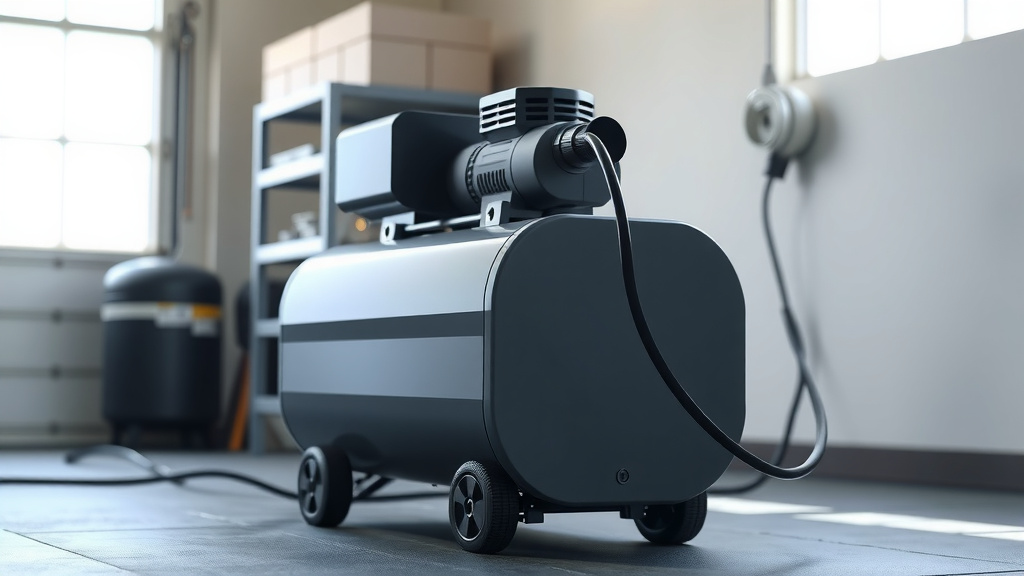
An air compressor often needs to be plugged in to operate, especially electric models, which draw power from a standard electrical outlet to function.
However, not all air compressors require a direct plug-in; some are powered by gas engines or rechargeable batteries for portability.
Here’s a quick summary of what you’ll find in this guide:
- Most electric air compressors plug into standard wall outlets.
- Gas-powered models run on fuel, offering mobility.
- Battery-operated compressors provide wireless convenience for lighter tasks.
- Your compressor’s power source should match your project location.
- Always prioritize electrical safety when connecting any air compressor.
Does Air Compressor Need To Be Plugged In?
Yes, many air compressors absolutely need to be plugged in. This is especially true for the common electric models you find in garages and workshops. They rely on an electrical connection to power their motors and compress air.
Think of it like your toaster or vacuum cleaner. Without that connection, they simply can’t do their job. We’ll dive into the specifics, helping you understand your compressor’s power needs.
The Basics: How Air Compressors Get Power
Air compressors are versatile machines, and their power source varies quite a bit. It all depends on the type of compressor and its intended use. Understanding these differences helps you choose the right tool for your tasks.
Some models are designed for stationary use, while others are built for life on the go. Your work environment plays a big role in which power source is best. Let’s explore the main types you’ll encounter.
Electric Air Compressors: The Plug-In Standard
Most air compressors, particularly those for home use or small shops, are electric. They are designed to plug directly into a standard electrical outlet. These outlets provide the necessary current to run the compressor’s motor.
You’ll find these models common because they are generally quieter and produce no exhaust fumes. They are perfect for indoor use where you have easy access to power. Just plug them in, and you’re ready to go.
Gas-Powered Compressors: Freedom from Cords
If you need power away from an electrical grid, a gas-powered air compressor is your answer. These units run on gasoline, much like a lawnmower or generator. They have a small internal combustion engine that drives the pump.
This type offers incredible portability for construction sites or outdoor projects. You’re not tied to an outlet, which is a huge advantage for remote work. However, they are louder and produce exhaust, requiring good ventilation.
Battery-Powered Air Compressors: Untethered Convenience
For lighter tasks and ultimate portability, battery-powered air compressors are gaining popularity. These models use rechargeable battery packs, similar to those found in cordless power tools. They are generally smaller and less powerful.
These are fantastic for inflating tires, sports equipment, or tackling quick jobs without an outlet or gas. Just make sure your battery is charged before you start. They offer grab-and-go convenience.
Why Does Your Compressor Need Power? The Mechanism
An air compressor’s main job is to take in ambient air and squeeze it into a smaller volume. This process builds pressure inside a storage tank. To do this, a motor needs to drive a pump.
Whether it’s an electric motor, a gas engine, or a battery-driven motor, some form of energy is required. This energy powers the pistons or rotary screws that compress the air. Without that initial power, the system simply won’t operate.
Choosing Your Compressor: Where Will You Work?
The best air compressor for you depends heavily on where and how you plan to use it. Consider the type of projects you’ll undertake and the accessibility of power sources at those locations. This is a crucial decision point.
You wouldn’t want to drag a heavy gas compressor into your basement. Likewise, a small battery unit won’t power heavy-duty air tools on a construction site. Match the tool to the task and environment.
Stationary vs. Portable Needs
For a fixed workshop where outlets are plentiful, a stationary electric compressor makes sense. These often have larger tanks and more power. They’re designed to stay put, offering consistent performance.
If your work moves around, a portable gas or battery compressor is a better fit. These units are built to be easily transported. Their mobility gives you freedom to work almost anywhere you need compressed air.
Safety First: Plugging In and Power Considerations
Whenever you’re dealing with electrical appliances, especially powerful ones like air compressors, safety is paramount. Improper setup can lead to hazards like electrical shocks or fires. Always read your owner’s manual carefully (Consumer Product Safety Commission).
We found that many electrical incidents with compressors stem from incorrect wiring or inadequate power supply. Taking a few precautions can prevent serious problems down the line. Your well-being is the top priority.
Extension Cords: A Word of Caution
If you must use an extension cord with an electric air compressor, choose wisely. The cord needs to be rated for the compressor’s amperage and voltage. A cord that’s too thin can overheat, causing a fire or damaging your compressor.
Many experts recommend using the shortest possible heavy-duty extension cord. Avoid cheap, light-gauge cords for high-power tools. A good rule of thumb is 12-gauge or thicker for most compressors (OSHA guidelines).
Proper Ventilation and Electrical Load
Always ensure your compressor has adequate ventilation, especially gas-powered models which produce harmful fumes. For electric models, make sure your electrical circuit can handle the load. Plugging a large compressor into an overloaded circuit can trip breakers.
Research often connects proper electrical setup with safe operation (National Electrical Code). Check your compressor’s power requirements and match them to your available outlets. Never force a plug into an incompatible outlet.
What If Your Compressor Won’t Start? Troubleshooting
It can be frustrating when your air compressor won’t power up. Before you panic, consider a few common issues. Many times, the problem is simpler than you think. Here’s a quick checklist:
- Is the compressor securely plugged in?
- Is the electrical outlet working (test with another device)?
- Has a circuit breaker tripped?
- Is the tank pressure too high for the motor to start?
- Is there enough fuel (for gas models) or battery charge (for battery models)?
- Is the power switch in the “On” position?
Sometimes, a quick check of these basic points can get you back up and running. If the issue persists, consult your compressor’s manual or a qualified technician.
Maintaining Your Compressor’s Power System
Regular maintenance helps ensure your air compressor starts reliably every time. This includes checking electrical cords for damage, ensuring battery terminals are clean, or keeping fuel lines clear for gas models. A little upkeep goes a long way.
We found that neglecting these simple tasks can lead to performance issues or even complete failure. Always inspect your power connections before each use. A well-maintained compressor is a safe and efficient compressor.
Here’s a look at power sources at a glance:
| Compressor Type | Power Source | Best For | Key Consideration |
|---|---|---|---|
| Electric (Corded) | Wall Outlet (AC) | Workshops, Garages, Indoor Projects | Requires proximity to power, quieter operation |
| Gas-Powered | Gasoline Engine | Construction Sites, Outdoor Remote Jobs | No electrical cord needed, loud, exhaust fumes |
| Battery-Powered | Rechargeable Battery Pack | Inflating Tires, Small DIY Tasks, Remote Quick Jobs | Highly portable, limited run-time, less power |
Conclusion
So, does your air compressor need to be plugged in? The answer is a clear “it depends!” Many models, especially electric ones, absolutely require an electrical outlet. Others, like gas or battery-powered units, offer fantastic freedom from cords. Your choice truly boils down to your specific needs and work environment.
By understanding the different power sources, you can make an informed decision. Always prioritize safety, whether you’re plugging in, refueling, or charging. We hope this guide helps you power up your projects with confidence and the right compressor for the job.
FAQs
Can I use any extension cord with my electric air compressor?
No, you should not use just any extension cord. Always use a heavy-duty cord rated for outdoor use and specifically designed to handle the amperage and voltage requirements of your air compressor. Using an undersized cord can lead to overheating, electrical fires, or damage to your compressor.
How do I know if my electrical circuit can handle my air compressor?
Check your air compressor’s owner’s manual for its power requirements, typically listed in amps (A) and volts (V). Compare this to the rating of the circuit breaker for the outlet you plan to use. If the compressor’s amperage is close to or exceeds the circuit breaker’s rating, you might need a dedicated circuit or a lower-powered compressor.
Are battery-powered air compressors as powerful as electric ones?
Generally, no. Battery-powered air compressors are typically designed for lighter-duty tasks like inflating tires, sports equipment, or operating small nail guns. Electric or gas-powered compressors usually offer higher CFM (cubic feet per minute) and PSI (pounds per square inch), making them more suitable for heavy-duty air tools and longer run times.
Can I use a gas-powered air compressor indoors?
It is strongly advised against using a gas-powered air compressor indoors or in poorly ventilated areas. These compressors produce exhaust fumes containing carbon monoxide, which is a colorless, odorless, and highly toxic gas. Always operate gas-powered units in open, well-ventilated outdoor spaces to prevent carbon monoxide poisoning.
What’s the benefit of an air compressor that doesn’t need to be plugged in?
The primary benefit of a gas or battery-powered air compressor is portability and independence from electrical outlets. This allows you to use compressed air in remote locations, construction sites, or any area where electricity is unavailable or inconvenient. It offers flexibility for mobile projects and emergency uses like roadside tire inflation.
