
Does An Air Compressor Need To Be Refilled?
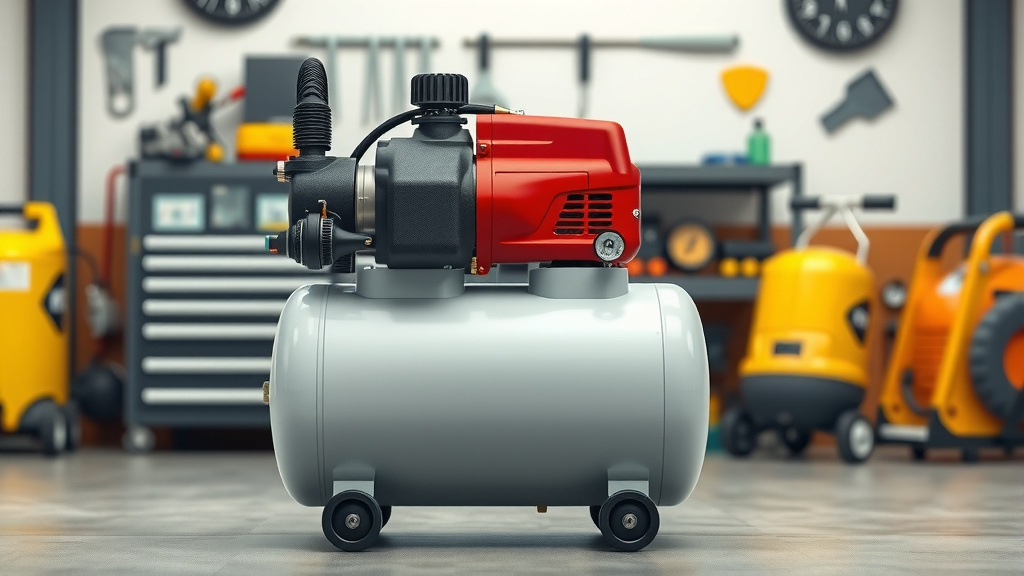
No, an air compressor does not need to be refilled with air because it continually draws air from its surrounding environment. Instead of refilling, it compresses this ambient air and stores it for your use.
You won’t “refill” your air compressor like you would a car’s gas tank; its primary ongoing fluid need is for lubrication oil, if it’s an oil-lubricated model.
- You never “refill” an air compressor with air; it draws it from around you.
- The term “refilling” more accurately refers to topping up or changing the compressor’s oil.
- Regular oil checks and changes are vital for oil-lubricated models to function well.
- Other key maintenance includes draining condensation and inspecting air filters.
- Oil-free compressors require less fluid maintenance but still need general care.
Does An Air Compressor Need To Be Refilled?
An air compressor does not need to be refilled with air. It actively pulls in air from its surroundings, compresses it, and then stores this pressurized air in a tank.
Your job is to ensure the compressor can do its work efficiently, not to supply it with air.
Understanding How Your Air Compressor Works
Think of your air compressor as a big, powerful lung for your tools. It breathes in normal atmospheric air through an intake.
Once inside, a motor-driven pump squeezes this air, increasing its pressure dramatically. This highly compressed air then moves into a storage tank.
Air In, Air Out: The Simple Mechanics
This process of drawing in and compressing air happens automatically as you use your tools. When the tank pressure drops, the compressor kicks on again.
It keeps the air flowing so you can tackle all your projects, from inflating tires to powering nail guns.
Why the “Refill” Question Comes Up
It’s easy to wonder about refilling an air compressor, especially since many tools use various fluids. You might think it needs a constant supply of a special air mix.
However, the compressor is designed to create its own supply from the air all around us. The confusion often stems from other maintenance needs.
Oil: The Real “Fluid” to Watch
While not a refill of “air,” many air compressors, particularly older or heavy-duty models, do use oil. This oil is crucial for lubricating moving parts within the pump.
It helps reduce friction and keeps the compressor running smoothly. This is the fluid you will actually need to monitor and sometimes “refill” or change.
The Lifeline of Your Compressor: Oil Maintenance
For oil-lubricated compressors, keeping an eye on the oil is your most important task. Just like your car engine, your compressor’s pump needs fresh, clean oil.
Neglecting oil can lead to excessive wear and tear, reducing your compressor’s lifespan significantly (Many experts say).
Checking Your Oil Level: A Quick Guide
Most oil-lubricated compressors have a dipstick or a sight glass for checking the oil. Make it a habit to check the level before each major use.
If the level is low, add the manufacturer-recommended compressor oil. Do not just use any motor oil.
When to Change Compressor Oil?
The frequency of oil changes depends on how often you use your compressor. For general home use, changing it once a year is often sufficient.
However, for heavy-duty or daily use, you might need to change it every few months (we found through various manufacturer guidelines).
More Than Just Oil: Other Essential Air Compressor Maintenance
Maintaining your air compressor goes beyond just oil. Several other steps ensure it operates safely and efficiently for years.
These simple tasks can prevent costly repairs and keep your projects on schedule.
Draining the Condensate: Preventing Rust
As air compresses, moisture in the air turns into water, which collects in the tank. If you don’t drain this water, it can cause rust.
Rust inside the tank significantly weakens it and can even lead to dangerous failures. You should drain it after every use.
- Locate the drain valve, usually at the bottom of the tank.
- Open the valve to release the trapped water and air.
- Let all the moisture escape, then close the valve securely.
- Do this when the tank is empty and depressurized for safety.
Filter Checks: Breathing Easy
The air intake filter stops dust and debris from entering the compressor pump. A dirty filter restricts airflow, making your compressor work harder.
Inspect the air filter regularly, perhaps monthly, and clean or replace it as needed. A clean filter ensures optimal performance and longevity.
Inspecting Hoses and Fittings
Your air hoses and fittings are crucial for delivering air to your tools. Check them for cracks, leaks, or wear and tear before each use.
A leaking hose reduces efficiency and can be a safety hazard. Replace damaged components immediately to maintain proper air pressure.
Types of Air Compressors and Their “Refill” Needs
Not all air compressors are built the same when it comes to lubrication. Understanding the type you own helps you determine its specific maintenance needs.
The two main types are oil-lubricated and oil-free compressors, each with distinct requirements.
Oil-Lubed vs. Oil-Free: A Quick Comparison
Oil-lubricated compressors use oil for their pump mechanisms, requiring regular oil checks and changes. They are generally more durable and quieter.
Oil-free compressors, on the other hand, use coated components that don’t need oil. They require less fluid maintenance but can be noisier.
| Feature | Oil-Lubricated Compressor | Oil-Free Compressor |
|---|---|---|
| Oil Requirement | Requires regular oil checks & changes. | No oil needed for pump (coated components). |
| Maintenance | Higher maintenance (oil-related). | Lower fluid maintenance. |
| Noise Level | Generally quieter operation. | Often noisier during operation. |
| Lifespan | Typically longer lifespan if well-maintained. | Can have a shorter pump lifespan. |
| Cost | Often higher initial cost. | Usually lower initial cost. |
Signs Your Compressor Needs Attention
Your air compressor usually gives you hints when something isn’t quite right. Learning to recognize these signs can prevent bigger issues down the road.
Ignoring these warnings can lead to reduced performance or even a complete breakdown. Here’s what to watch for:
- Unusual Noises: If your compressor starts making grinding, squealing, or knocking sounds, it’s a clear signal.
- Decreased Performance: If tools aren’t getting enough air or the tank takes longer to fill.
- Excessive Vibrations: More shaking than usual could indicate a loose part or an unbalanced motor.
- Oil Leaks: Any visible oil around the pump or base is a sign you need to investigate.
- Frequent Cycling: If the compressor turns on and off too often, even without heavy use, it might have a leak.
- Overheating: The pump or motor feels unusually hot to the touch during or after operation.
Conclusion
So, the next time you wonder if an air compressor needs to be refilled, remember this: it’s not about supplying it with air, but rather about ensuring its internal health.
By regularly checking the oil (if applicable), draining the condensate, and keeping filters clean, you are “refilling” its potential. These simple steps ensure your compressor is always ready for your next project, running smoothly and reliably.
Taking care of your compressor is a small investment of time that pays off with years of dependable service. Treat it well, and it will serve you faithfully!
FAQs
Do all air compressors use oil?
No, not all air compressors use oil. There are two main types: oil-lubricated and oil-free. Oil-lubricated models use oil to lubricate their pump, while oil-free models have specially coated components that don’t require oil.
How often should I drain the water from my air compressor tank?
You should drain the water (condensate) from your air compressor tank after every use. This prevents rust and corrosion from building up inside the tank, which can compromise its safety and lifespan.
What kind of oil should I use in my air compressor?
You should always use the type of compressor oil specifically recommended by your air compressor’s manufacturer. Using automotive oil or other lubricants can damage the pump and void your warranty.
Can I use an air compressor without regular maintenance?
While an air compressor might function for a while without maintenance, neglecting it significantly shortens its lifespan and can lead to inefficient operation or sudden breakdowns. Regular care prevents costly repairs.
Is there a difference between “refilling” and “topping off” compressor oil?
“Topping off” refers to adding a small amount of oil to bring the level back up to the recommended mark. “Refilling” might imply completely draining the old oil and replacing it with new, which is often called an oil change.
