
Are Air Compressor Fittings Universal?
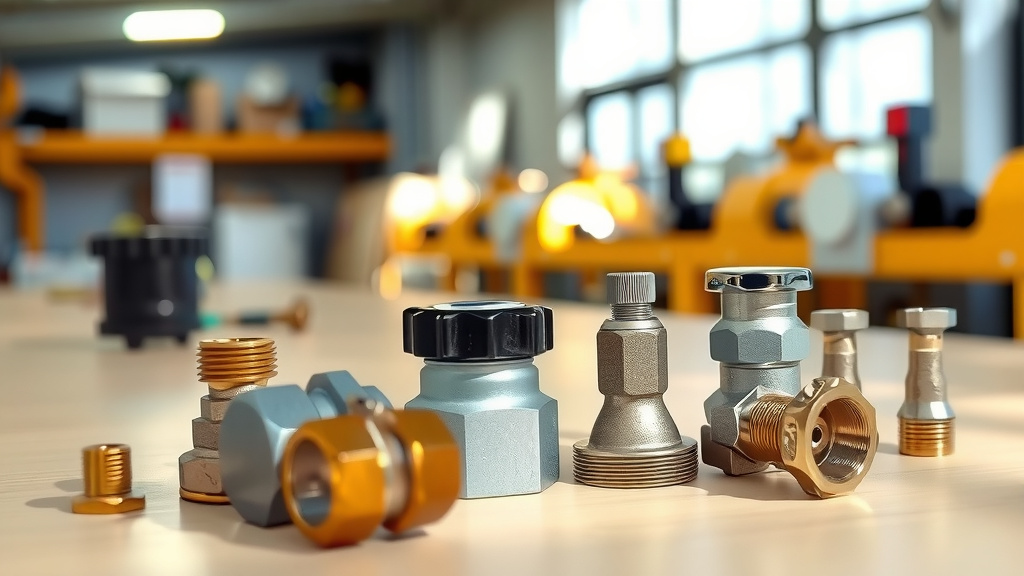
No, air compressor fittings are generally not universal across all brands and applications. You will find several common types and sizes, each designed for specific uses.
This lack of universality often causes frustration for users trying to connect tools and hoses, highlighting the need to understand specific fitting standards.
- Air compressor fittings come in many shapes, sizes, and connection types, making them largely non-universal.
- Different industries and regions use distinct fitting standards like Industrial, Automotive, and ARO styles.
- Thread types, such as NPT, BSPT, and BSPP, also vary and are not interchangeable, impacting how fittings connect.
- Mixing incompatible fittings can lead to air leaks, reduced performance, and potential safety hazards.
- Always identify your existing fitting type and thread size before purchasing new components to ensure proper compatibility.
Are Air Compressor Fittings Universal?
No, air compressor fittings are not universally compatible. Many different types and standards exist, which means you cannot always connect any air tool to any hose or compressor.
Why Aren’t Air Compressor Fittings Universal?
Imagine trying to use a cell phone charger from the 90s with today’s smartphone. It just won’t fit, right? Air compressor fittings are similar. Different manufacturers, countries, and even specific industries have developed their own fitting standards over time.
This variety helps meet different needs, but it also creates confusion. We found that the lack of a single, global standard means you need to pay close attention to what you’re buying.
Different Types of Connectors
Just like keys for different locks, various connectors serve specific purposes. Some fittings are designed for high airflow needs, while others prioritize ease of connection or a secure, vibration-resistant seal.
Understanding these differences can save you a lot of headache. You wouldn’t want to force a square peg into a round hole with your air tools.
Common Fitting Types You’ll Encounter
When you walk into a hardware store, you’ll likely see a few dominant fitting styles. We found that most air systems in North America often use one of these common types.
Knowing their names and basic characteristics is a great first step. Let’s look at the main players you might come across.
Here’s a quick overview of some common air compressor fitting styles:
| Fitting Style | Description | Common Use |
|---|---|---|
| Industrial (M-Style) | Most common in shops, 1/4″, 3/8″, 1/2″ NPT. Features a small bullet-shaped tip. | General purpose, workshops, garages. |
| Automotive (T-Style) | Slightly larger profile than M-Style, often 1/4″ NPT. Wider, flat-bottomed recess. | Automotive shops, older tools. |
| ARO (A-Style) | Features a larger diameter than Industrial, often 1/4″ NPT. Distinct tapered tip. | High flow applications, specific industrial tools. |
| Milton (D-Style) | Similar to ARO but with specific dimensions. Less common than others. | Some specialized industrial settings. |
Industrial/M-Style Fittings
These are probably the most common fittings you’ll see in home workshops and many professional garages. They’re often called “M-Style” because Milton Industries popularized them. You’ll find them in various sizes, with 1/4-inch NPT threads being very popular.
Their bullet-shaped tip makes them easy to identify. If you buy a new air tool, there is a good chance it will come with an Industrial-style plug already installed.
Automotive/T-Style Fittings
Automotive fittings, sometimes called “T-Style,” are another familiar sight, especially with older air tools. They have a slightly different internal profile compared to the Industrial style.
Many experts say that while they look similar, you cannot always interchange them reliably. They have a wider, flatter bottom recess inside the coupler.
ARO/A-Style Fittings
ARO fittings, or “A-Style,” are designed for different purposes. They often offer higher airflow capabilities compared to Industrial styles. This makes them a good choice for tools that require a lot of air volume, like impact wrenches or grinders.
They have a distinct tapered tip that helps create a good seal. You might find these in professional settings where consistent power is key.
Milton/D-Style Fittings
Milton D-Style fittings are less common than M-Style or ARO. They are another type that was developed for specific uses and dimensions.
If you come across them, it’s usually in more specialized industrial applications. Always check compatibility carefully if you encounter this style.
Thread Types: Another Layer of Difference
Beyond the quick-connect style, the actual threads that screw into your tools and hoses also vary. This is a critical detail. You cannot reliably screw a fitting with one thread type into a port designed for another. It’s like trying to put a square nut on a round bolt – it just won’t work correctly or safely.
Here’s a simple checklist to keep in mind when dealing with air compressor fittings:
- Identify the quick-connect style (Industrial, Automotive, ARO).
- Determine the thread size (e.g., 1/4-inch, 3/8-inch, 1/2-inch).
- Confirm the thread type (NPT, BSPT, BSPP).
- Check if male or female threads are needed.
- Look for any visible signs of wear or damage on existing fittings.
National Pipe Taper (NPT)
NPT is the most common thread standard in North America. These threads are tapered, meaning they get slightly smaller towards the end. This taper helps to create a tight, leak-free seal when tightened with thread sealant.
Most air tools and compressor outlets sold in the US will feature NPT threads. Always use Teflon tape or liquid sealant for NPT connections.
British Standard Pipe Taper (BSPT)
BSPT is a British standard thread, also tapered, but with a different thread angle and pitch than NPT. You might encounter these if you’re working with equipment manufactured in the UK or other Commonwealth countries.
A BSPT male thread will not seal properly into an NPT female port, and vice versa. Many experts say that mixing them can damage threads and cause leaks.
British Standard Pipe Parallel (BSPP)
Unlike NPT and BSPT, BSPP threads are parallel, meaning they maintain the same diameter along their length. They often rely on a gasket or O-ring seal at the face of the fitting to prevent leaks.
You’ll find these on equipment where a positive, repeatable seal is needed. Research often connects these with hydraulic systems, but they appear in some air applications too.
Mixing and Matching: A Risky Business?
Attempting to force incompatible air compressor fittings together is generally a bad idea. While you might get them to connect, you are setting yourself up for potential trouble. It’s not worth the risk for a few dollars saved.
Think of it like trying to put diesel in a gasoline car – it might fit, but the outcome won’t be good.
Safety Concerns
The biggest risk of incompatible fittings is air leaks. Leaks mean reduced pressure at your tool, but more significantly, they can create hazards from flying debris or unexpected disconnections. An air hose under pressure can be dangerous if it suddenly detaches.
Also, a weak connection could fail under stress, potentially causing injury. Your safety is paramount.
Performance Issues
Even if an incompatible connection doesn’t outright fail, it will likely perform poorly. Air leaks mean your compressor runs more often, wasting energy and wearing it out faster. You’ll also experience reduced airflow and pressure at your tools.
This can make jobs take longer or prevent your tools from operating at their peak efficiency. Many professionals know that correct fittings are key to reliable performance.
How to Ensure Compatibility
So, how do you avoid this fitting nightmare? The solution is straightforward: always know what you have and what you need. A little careful checking goes a long way in ensuring your air system works smoothly and safely.
It’s like matching socks; you want the pair to truly fit.
Check Your Existing Tools
Before buying new fittings, look closely at the ones already on your tools or compressor. What style are they? What size? Often, fittings are stamped with this information. If not, comparing them to known examples or bringing one to a hardware store is helpful.
Taking a picture on your phone can be a simple way to remember the type you need.
Read Product Manuals
Your air compressor and tool manuals are your best friends. They usually specify the recommended fitting types and sizes. Many experts say that manufacturers include this information for a reason.
Don’t skip this step! It provides the most reliable information directly from the source.
When in Doubt, Ask an Expert
If you’re still unsure, don’t guess. Take your existing fittings or tools to a reputable hardware store or an air compressor specialist. They can help you identify the correct type and suggest compatible replacements.
A few moments of expert advice can save you hours of frustration and potential problems down the line.
Conclusion
Air compressor fittings are definitely not universal, presenting a challenge for many users. Understanding the different styles like Industrial, Automotive, and ARO, alongside thread types such as NPT, BSPT, and BSPP, is essential. Mixing incompatible fittings can lead to air leaks, poor tool performance, and even safety risks. Always take the time to identify your current fittings, consult product manuals, and don’t hesitate to seek advice from a professional. Your air tools will thank you for the right connections, ensuring your projects run smoothly and safely.
Are quick-connect air fittings universal?
Quick-connect air fittings are not universal. While many look similar, they come in different styles like Industrial (M-Style), Automotive (T-Style), and ARO (A-Style), which are generally not interchangeable. You need to match the plug to the coupler’s specific design.
Can I use an NPT fitting with a BSPT port?
No, you should not use an NPT fitting with a BSPT port. Both are tapered threads but have different thread angles and pitches. Forcing them together can damage the threads on both the fitting and the port, leading to leaks and potential system failure.
What happens if I mix different air fitting styles?
Mixing different air fitting styles, even if they seem to fit, typically results in air leaks and reduced performance. The connection might be loose, cause pressure drops, make your compressor work harder, and potentially create a safety hazard due to unexpected disconnections or weak points in the system.
How can I identify my air compressor fitting type?
To identify your air compressor fitting type, first look for any markings or stamps on the fitting itself. Compare its shape to common styles like Industrial or ARO. For thread types, check your tool or compressor manual, or carefully compare the thread count and taper with known standards like NPT or BSPT, usually by taking it to a hardware store specialist.
Is it better to stick to one type of air fitting for all my tools?
Yes, many experts say it is much better to standardize on one type of air fitting for all your tools and hoses if possible. This minimizes confusion, prevents incompatible connections, and ensures consistent performance across your entire pneumatic system. Choosing a widely available style like Industrial (M-Style) often makes future replacements easier.
