
What Is Better Gas Or Electric Air Compressor?
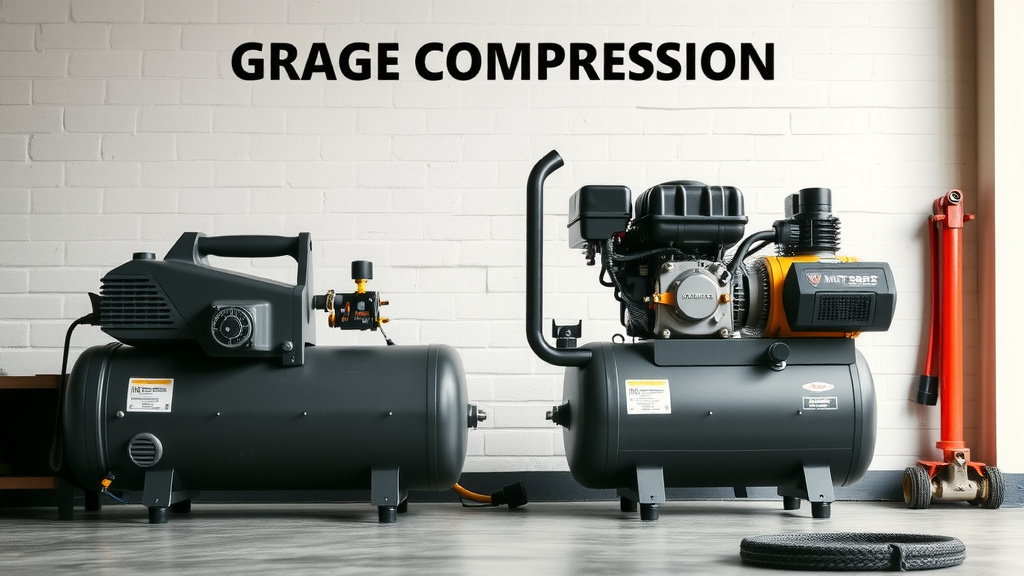
Choosing between a gas or electric air compressor depends entirely on your specific needs and work environment. Gas compressors offer superior portability and power for outdoor or remote jobs, while electric models excel with quiet operation and zero emissions for indoor tasks.
For most DIY enthusiasts and indoor workshops, an electric air compressor is often the better, more convenient choice. However, for demanding construction sites or off-grid projects, gas power provides the necessary muscle and freedom from power outlets.
TL;DR: Here’s a quick overview to help you decide:
- Electric compressors are perfect for indoor, lighter tasks, offering quiet and clean operation.
- Gas compressors are your go-to for heavy-duty, outdoor, or remote jobs needing maximum power.
- Consider your power source availability, noise tolerance, and environmental impact.
- Maintenance and initial cost also play a big role in your final decision.
What Is Better Gas Or Electric Air Compressor?
The “better” compressor isn’t about one being universally superior; it’s about which one fits your unique situation. Think about where you’ll be working and what kind of projects you tackle.
Understanding Electric Air Compressors
Electric air compressors are a common sight in workshops and garages. They plug into an electrical outlet, drawing power to run their motor. These units are often preferred for their simplicity and ease of use.
Pros of Electric Compressors
One major benefit is their quiet operation. We found that many electric models produce significantly less noise than their gas counterparts. This makes them ideal for indoor work environments where noise pollution is a concern (Occupational Safety and Health Administration).
They also produce zero emissions. You won’t have to worry about exhaust fumes, making them much safer for enclosed spaces. This means you can breathe easier while working on your projects.
Electric compressors typically require less maintenance. There’s no fuel to manage, no oil changes for the engine, just regular checks of the air filter and oil in the pump. They simply plug in and get to work.
The upfront cost for smaller electric units can also be quite affordable. Many DIYers find them to be a budget-friendly option to start their air tool collection.
Cons of Electric Compressors
The biggest limitation for electric compressors is their reliance on a power source. You need an outlet nearby, which restricts your mobility. If your project is far from an electrical connection, you might hit a snag.
They generally offer less power for sustained, heavy-duty applications. For tools that demand high CFM (cubic feet per minute) over long periods, an electric model might struggle to keep up. Think of it like trying to run a marathon on a sprint track.
Voltage requirements can vary. Some larger electric compressors need a 240V outlet, which isn’t always available in standard home garages. Always check your power supply before buying.
Understanding Gas Air Compressors
Gas air compressors run on gasoline, featuring an internal combustion engine to power the pump. These are the beasts of the air compressor world, built for demanding jobs. They are truly the workhorses for tough tasks.
Pros of Gas Compressors
The primary advantage is their unmatched portability and independence. Since they don’t need an electrical outlet, you can take them almost anywhere. Construction sites, remote farms, or roadside repairs are perfect scenarios for gas units.
Gas compressors typically deliver superior power and higher CFM ratings. This allows them to run multiple air tools simultaneously or operate very demanding equipment without skipping a beat. They’re designed for continuous, heavy-duty performance.
They are robust and built to withstand harsh outdoor conditions. Many models feature durable frames and components, ready for the rigors of professional use. This makes them a reliable choice for tough environments.
Cons of Gas Compressors
Noise is a significant drawback. Gas engines are loud, much louder than electric motors. This can be a major issue, especially in residential areas or where noise regulations are strict. Hearing protection is absolutely necessary.
They produce exhaust fumes, which contain carbon monoxide. This means they can only be used in well-ventilated outdoor areas. Using them indoors is dangerous and can be fatal, a fact many safety experts highlight.
Maintenance is more involved. You’ll need to deal with fuel, oil changes for the engine, spark plug checks, and air filter replacements. This adds to the operational cost and time commitment, as many experts at the American Petroleum Institute would agree.
Fuel costs add up over time. Plus, you need to store gasoline safely, which has its own hazards. This can impact your overall budget for your tools.
Key Differences: Gas vs. Electric at a Glance
Let’s put them side-by-side to see how they stack up. This quick comparison will help you pinpoint which features matter most for your needs.
| Feature | Electric Air Compressor | Gas Air Compressor |
|---|---|---|
| Power Source | Electricity (outlet) | Gasoline |
| Portability | Limited by cord length | Highly portable, goes anywhere |
| Noise Level | Quieter | Very loud |
| Emissions | None | Exhaust fumes (CO) |
| Maintenance | Lower | Higher (engine care, fuel) |
| Best Use | Indoor, workshop, DIY, light professional | Outdoor, construction, heavy-duty, remote |
When to Choose Electric
- You primarily work in a garage, workshop, or indoors.
- Noise levels are a concern for you or your neighbors.
- Your projects involve smaller air tools like nail guns, staplers, or tire inflators.
- You prefer low maintenance and cleaner operation.
- Access to a power outlet is always convenient.
When to Choose Gas
- Your projects often take you outdoors or to remote locations.
- You need to power heavy-duty tools like impact wrenches or sandblasters.
- Portability and maximum power output are your top priorities.
- You work on construction sites or similar professional settings.
- Noise and exhaust fumes are manageable in your work area.
What About Hybrid Options?
You might occasionally encounter hybrid models that offer both gas and electric operation. These provide the best of both worlds, offering flexibility. They allow you to switch modes depending on your environment, but often come at a higher price point.
Considering Your Budget and Long-Term Costs
Beyond the initial purchase, think about ongoing expenses. Electric units have lower running costs due to cheaper electricity compared to gas. Gas units require fuel and more frequent engine maintenance, which adds up.
Noise and Emissions: Your Environment Matters
Are your neighbors sensitive to noise? Do you need to work in a poorly ventilated space? These questions are critical. We found that environmental factors often dictate the best choice for many users (Environmental Protection Agency).
Power Requirements for Your Tools
Every air tool has specific CFM and PSI requirements. List the tools you plan to use most often. Then, choose a compressor that can comfortably exceed those requirements. It’s always better to have a bit more power than you need.
Checklist for Choosing Your Compressor
- What specific tools will I power?
- Will I primarily work indoors or outdoors?
- How important is noise level to me and others?
- Do I have reliable access to an electrical outlet or need total portability?
- What is my long-term budget for fuel and maintenance?
- Are emissions a concern in my work area?
Conclusion
Ultimately, the choice between a gas or electric air compressor boils down to your specific application and priorities. If you value quiet, clean operation for indoor, lighter tasks, an electric model is likely your champion. But if raw power, go-anywhere portability, and heavy-duty performance are non-negotiable for outdoor and demanding jobs, then a gas compressor is the undeniable victor. Carefully consider your needs, weigh the pros and cons, and you’ll find the perfect air compressor ready to tackle your projects with ease.
Frequently Asked Questions
How much louder are gas air compressors compared to electric?
Gas air compressors are significantly louder, often producing 90-100+ decibels (dB), similar to a lawnmower or motorcycle. Electric models, especially smaller ones, can range from 60-80 dB, which is closer to a normal conversation or vacuum cleaner. The difference is quite noticeable in a quiet environment.
Can I convert a gas air compressor to electric, or vice versa?
While technically possible in some cases to swap out a motor, it’s generally not recommended or cost-effective. The entire unit, including the pump, frame, and tank, is designed around its power source. Converting would require significant modifications and could void warranties, often making it cheaper to buy a new unit.
Are there any battery-powered air compressors for light tasks?
Yes, smaller, battery-powered air compressors are available, often used for inflating tires, sports equipment, or powering very light-duty nailers. They offer ultimate portability for small jobs but lack the sustained power and capacity of larger electric or gas models. Think of them as convenience tools, not heavy-duty workhorses.
Do gas air compressors require a specific type of gasoline?
Most gas air compressors use regular unleaded gasoline. However, it’s crucial to always check your compressor’s owner’s manual for specific fuel recommendations. Some manufacturers might advise against ethanol-blended fuels or suggest premium for optimal performance and longevity. Using the wrong fuel can damage the engine.
What safety precautions should I take with a gas air compressor?
Always operate gas compressors in well-ventilated outdoor areas to prevent carbon monoxide buildup. Wear hearing protection due to the high noise levels. Keep flammable materials away from the hot engine and fuel tank. Store gasoline in approved containers, and never refuel a hot engine. Regular maintenance is also key for safe operation.
