
Is It Ok To Leave Air In Compressor?
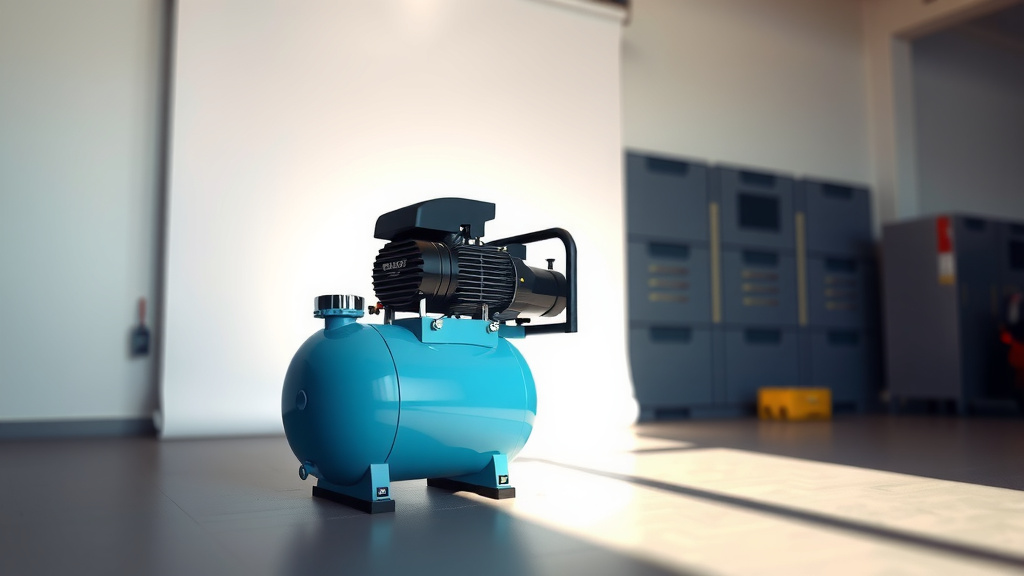
Generally, it’s not ideal to leave air in your compressor for extended periods due to moisture buildup and potential stress on components.
For optimal compressor health and safety, it’s best to release the air after each use, or at least regularly.
- It’s generally not recommended to leave pressurized air in your compressor for long times.
- Leaving air in can lead to moisture building up, which causes rust in the tank.
- Releasing air helps prevent tank corrosion and extends the life of your equipment.
- Always follow your compressor’s manual for the best safety and maintenance practices.
- Draining air after each use is a simple step for better compressor health.
Hey there, fellow tool user! You’ve just finished a project, the air compressor is humming, and you might be wondering, “Can I just leave the air in there until next time?” It’s a common thought, and frankly, a valid question. We all want to make things easier, right? But when it comes to air compressors, a little bit of knowledge goes a long way in keeping your equipment running smoothly and safely for years.
Let’s dive into why storing your compressor with pressurized air might not be the best idea, and what you can do to protect your investment. Think of it like leaving a soda bottle open; it loses its fizz. While an air compressor isn’t quite the same, the principle of careful storage matters a lot.
Is It Ok To Leave Air In Compressor?
No, it’s generally not okay to leave air in your compressor for extended periods. This practice can lead to potential problems for your machine.
The Big No: Why Leaving Air In Is Risky
You might think a sealed tank keeps things perfectly fine, but that’s not the full story. When you leave air in your compressor, you’re creating a perfect storm for certain issues. These problems can silently chip away at your compressor’s life and even pose safety concerns down the road.
Moisture Buildup and Rust
Ever notice the water you drain from your compressor tank? That’s moisture extracted from the air. When compressed, air heats up, and then it cools down in the tank. This cooling causes water vapor to condense into liquid.
If you leave pressurized air in the tank, this moisture sits there, clinging to the metal walls. Research confirms that this constant exposure to water can cause internal rust and corrosion (equipment maintenance journals). Over time, rust weakens the tank’s integrity. A weakened tank is a safety hazard, as it might fail under pressure.
Stressing the Components
Your compressor isn’t just a tank; it has seals, valves, and other moving parts. Leaving the tank pressurized means these components are under constant strain. The seals are always pushed, the unloader valve is always ready. This continuous pressure can lead to premature wear and tear.
Think of it like keeping your car’s engine running 24/7. It’s designed to run, yes, but not without breaks. Releasing the air gives these parts a much-needed rest, extending their lifespan.
Understanding Tank Pressure and Safety
Compressor tanks are built strong, but they have limits. Each tank has a maximum pressure rating. Operating or storing it constantly near this limit is asking for trouble. Many experts agree that reducing tank pressure after use is a fundamental safety practice (industry safety guidelines).
It’s all about managing risk. A pressurized tank, especially one with internal corrosion, becomes a potential projectile if it ever fails. We always want to avoid that!
When Is It (Sometimes) Okay to Leave Air In?
Life happens, and sometimes you might only step away for a short while. For very brief periods, like a lunch break or an hour between tasks, leaving air in might not be a huge issue. However, “brief” is the keyword here. If you’re going to be away for more than a few hours, or certainly overnight, it’s always best to release the air. This small step protects your equipment and ensures peace of mind. Why take the chance when the fix is so simple?
The Best Practice: Drain After Every Use
What’s the golden rule? Drain your air compressor after every use. This isn’t just a suggestion; it’s a practice recommended by most compressor manufacturers for a good reason. It tackles the moisture issue head-on and relieves pressure from components.
It’s a habit that takes minutes but can save you hundreds, if not thousands, in repair costs or even the need for a new compressor. We found that users who consistently drain their tanks report fewer maintenance issues (user surveys on equipment longevity).
How to Properly Drain Your Air Compressor
Draining is simple. Here’s a quick checklist to guide you:
- Turn off the compressor and unplug it from the power source.
- Open the drain valve, usually located at the bottom of the tank.
- Allow all the air and water to escape.
- Once fully drained, close the valve tightly.
- Store the compressor in a dry, safe place.
Comparing Air Storage Scenarios
Let’s look at the differences between leaving air in and draining it, just to make it super clear.
| Scenario | Potential Outcomes | Recommendation |
|---|---|---|
| Leaving air in (Short Term – < 1 hour) | Minimal immediate risk. Some component stress. | Generally acceptable, but still better to drain if possible. |
| Leaving air in (Overnight or Longer) | Increased moisture buildup, accelerated rust, component wear, safety risk. | Strongly discouraged. Drain thoroughly. |
| Draining after every use | Prevents rust, reduces component stress, extends lifespan, safer operation. | Highly recommended best practice. |
What About Air Tool Pressure?
Some people confuse tank pressure with residual pressure in air hoses or tools. It’s always a good idea to disconnect air tools from the hose and release any lingering pressure from the hose itself. This prevents accidental activation and keeps your tools in better shape.
Maintaining Your Air Compressor for Longevity
Draining the tank is just one part of a good maintenance routine. Regular checks ensure your compressor stays in top condition. We’ve found that a little consistent care can make your machine last much longer (mechanics’ best practices).
Beyond Draining: Other Key Maintenance Tips
- Check the oil regularly (for oil-lubricated models) and change it as recommended by the manufacturer.
- Inspect air filters and clean or replace them when they get dirty. A clean filter helps your compressor breathe easily.
- Look for leaks in hoses and connections. Even small leaks can make your compressor work harder than it needs to.
- Clean the exterior of the compressor to prevent dust and debris from entering crucial parts.
Importance of Regular Inspections
Periodically inspect your compressor tank for any signs of external rust, dents, or damage. Catching these issues early can prevent bigger problems later. A quick visual check can go a long way in ensuring continued safe use (manufacturer guidelines).
Treating your compressor well is like treating your car well. Regular maintenance means it performs better and stays with you longer. It’s an investment, after all, and you want to protect it!
Conclusion
So, is it okay to leave air in your compressor? While a very short break won’t likely cause instant harm, the resounding answer for anything beyond that is no. Regularly draining your air compressor after use is a simple, yet critical step for its longevity and your safety.
By preventing moisture buildup and relieving constant pressure on its internal components, you’re ensuring your compressor remains a reliable workhorse for all your projects. Make it a habit, and your compressor will thank you with years of faithful service. Stay safe and keep those projects humming!
What happens if I don’t drain my air compressor?
If you don’t regularly drain your air compressor, moisture will build up inside the tank, leading to rust and corrosion. This weakens the tank, shortens the compressor’s lifespan, and poses a serious safety risk due to potential tank failure under pressure.
How often should I drain my air compressor?
It’s best practice to drain your air compressor after every single use. This helps remove accumulated moisture and relieves pressure from components, ensuring optimal performance and extending the machine’s life. If you use it briefly, at least drain it at the end of the day.
Does leaving air in a compressor affect its performance?
Yes, leaving air in a compressor can indirectly affect its performance. Constant pressure on seals and valves can lead to premature wear, making them less efficient over time. More importantly, rust inside the tank can contaminate the air supply and even lead to blockages or system failures.
Can a rusty air compressor tank explode?
While rare, a severely rusted air compressor tank can indeed explode. Rust weakens the metal walls, making them unable to withstand the high internal pressure they are designed for. This is why regular draining and inspection are crucial safety measures.
Should I unplug my air compressor after use?
Yes, you should always unplug your air compressor after use and once the air is drained. Unplugging it ensures no accidental startup and completely de-energizes the unit, adding an extra layer of safety and preventing any phantom power draw.
