
Is It Safe To Use An Air Compressor Indoors?
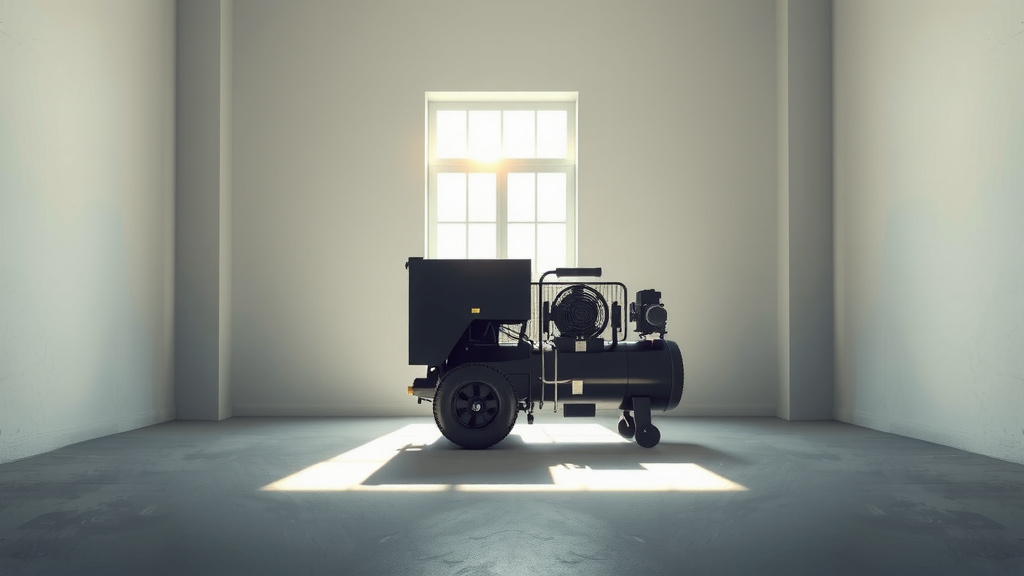
Using an air compressor indoors can be safe, but it absolutely requires proper ventilation and selecting the right type of machine. You must prioritize safety measures to prevent potential hazards like noise, fumes, and condensation.
You can use certain air compressor models inside your home or workshop if you follow specific guidelines for safety and environment control. Always check your compressor’s manual and ensure adequate airflow.
Here’s a quick summary of what you need to know:
- Not all air compressors are created equal for indoor use; some are much safer than others.
- Ventilation is your most important ally against harmful fumes and heat build-up.
- Noise levels can be a big problem, impacting your hearing and peace of mind.
- Maintaining your compressor prevents issues like oil leaks and excessive moisture.
- Always read your user manual; it’s packed with specific safety advice for your model.
Is It Safe To Use An Air Compressor Indoors?
Yes, it is possible to use an air compressor indoors, but your safety depends on the compressor type and how you set it up. Certain models are designed for quieter, cleaner operation inside.
You need to assess several factors before you plug in and start working. Think about your space and the machine itself. Your well-being is the top priority.
Key Factors for Indoor Air Compressor Safety
When considering indoor use, several elements play a big role in your safety. Ignoring these could create unnecessary risks. Let’s look at what matters most.
Ventilation is Your Best Friend
Imagine a car running in a closed garage; it’s a similar idea with some compressors. Proper airflow is non-negotiable, especially with oil-lubricated models.
Many experts say that a constant supply of fresh air disperses any fumes and prevents heat from building up (EPA guidelines). Open windows and doors, or use exhaust fans. Think of it as giving your compressor room to breathe.
Noise Levels Can Be a Real Issue
Some air compressors sound like a jet engine taking off in your living room. This isn’t just annoying; sustained loud noise can damage your hearing.
We found that models designed for indoor use are often advertised as “quiet” or “low-decibel.” Always check the dB rating before buying. Your ears will thank you later.
Fumes and Emissions Matter
Oil-lubricated compressors can release tiny oil particles and exhaust fumes into the air. Breathing these in over time isn’t good for anyone’s lungs.
Oil-free compressors are a much better choice for indoor environments. They produce cleaner air and fewer harmful byproducts. This keeps your indoor air quality better.
Dealing with Moisture and Condensation
Air compressors create condensation inside their tanks as they work. This water needs to be drained regularly to prevent rust and maintain performance.
Indoors, this moisture can also affect your immediate environment. Ensure proper drainage and consider a dryer if you live in a humid area or need very clean air.
Choosing the Right Compressor for Inside Spaces
Not every compressor is a good fit for indoor work. Making the right choice from the start saves you headaches later. It’s like picking the right tool for the job.
Oil-Free vs. Oiled Compressors
This is probably the biggest decision you’ll make for indoor safety. Oil-free compressors are quieter and don’t produce oil mist.
Oiled compressors are often more powerful but release a fine spray of oil. For indoor use, we found that oil-free models are significantly safer for air quality.
Decibel Ratings: Listen Up!
Compressors are rated in decibels (dB). A typical conversation is around 60 dB. Many loud compressors can hit 90 dB or more, which is like a lawnmower.
Look for models below 70 dB if you plan to work indoors for long periods. You can also find “silent” models that are even quieter.
Tank Size and CFM Considerations
A smaller tank might seem better for indoor space, but it cycles more often, which means more noise. CFM (Cubic Feet per Minute) tells you how much air it produces.
Match the CFM to your tools. A higher CFM than you need means more noise and energy use. A smaller, well-matched compressor might be better than an oversized one.
Best Practices for Using Your Air Compressor Indoors
Once you have the right compressor, using it correctly is next. Think of these as your golden rules for a safe and effective setup.
Location, Location, Location
Place your compressor in an area with good air circulation. Away from flammable materials and out of high-traffic paths. This prevents accidents and helps with cooling.
Keep it on a stable, level surface. Vibrations can cause it to move and create more noise. A good spot makes all the difference.
Regular Maintenance is a Must
Like any machine, your compressor needs care. Regularly drain the tank to prevent rust and moisture buildup. Check air filters and replace them when dirty.
For oiled models, keep an eye on oil levels. Proper maintenance prevents breakdowns and keeps your air clean and safe.
Personal Protective Equipment (PPE)
Even with a quiet compressor, hearing protection is smart for prolonged use. Safety glasses are always a good idea when working with air tools.
If you’re using an oiled compressor, a mask might be necessary to filter out airborne particles. Always protect your senses.
Here’s a quick guide to different compressor types and their indoor suitability:
| Compressor Type | Indoor Suitability | Key Considerations |
|---|---|---|
| Oil-Free Portable | Good | Lower noise, no oil fumes, compact. |
| “Silent” Oil-Free | Excellent | Very low noise, ideal for workshops/homes. |
| Oiled Piston (Small) | Limited | Requires significant ventilation, can be noisy. |
| Large Industrial Oiled | Not Recommended | High noise, heavy fumes, industrial settings only. |
When you’re gearing up for a project, always make sure you have the right safety items ready:
- Eye Protection: Safety glasses or goggles to shield against debris.
- Hearing Protection: Earplugs or earmuffs, especially for louder models.
- Gloves: To protect your hands during operation and tool changes.
- Dust Mask: If working with dusty materials or near an oiled compressor.
- Ventilation Fan: To improve airflow if natural ventilation isn’t enough.
Before You Start Checklist
A quick check can prevent big problems. Before powering on your compressor, run through these points:
- Is the area well-ventilated?
- Are all connections secure and leak-free?
- Is the tank drained of condensation?
- Is your personal protective equipment ready?
- Are flammable materials far away from the compressor?
Common Misconceptions About Indoor Compressor Use
You might hear different things about using compressors inside. Let’s clear up some common myths. For instance, some believe all compressors are equally noisy, which isn’t true.
Another myth is that only industrial spaces need good ventilation. Even small compressors producing minimal fumes still benefit from fresh air circulation. Safety should always be your guide.
The Science Behind Compressor Safety
Air compressors work by taking in air, compressing it, and storing it. This process generates heat and can concentrate any existing particles or moisture in the air.
We found that poor ventilation allows these concentrated elements to stay in your breathing space. This is why consistent air exchange is so important for indoor air quality (CDC). It’s about maintaining a healthy environment for you to work in.
Understanding Your Compressor’s Manual
Each compressor model is unique. Your user manual is not just a suggestion; it’s a guide to operating your specific machine safely. It contains vital information on maintenance, warnings, and recommended use environments.
Always read it before you start. Many issues can be avoided by simply following the manufacturer’s advice. It’s like a personalized safety briefing for your equipment.
Conclusion
Using an air compressor indoors can be perfectly safe and effective, provided you make smart choices and follow safety guidelines. Pick an oil-free, quiet model, ensure excellent ventilation, and always wear appropriate protective gear.
Prioritizing safety measures isn’t just a suggestion; it protects your health and helps your equipment last longer. With the right approach, your indoor projects can run smoothly and safely.
What kind of compressor is best for indoor use?
For indoor use, an oil-free, quiet compressor with a low decibel (dB) rating (preferably below 70 dB) is generally the best choice. These models produce fewer fumes and less noise, making them much safer and more comfortable for enclosed spaces.
How much ventilation do I need for an indoor air compressor?
You need excellent ventilation. This means opening windows and doors to create cross-ventilation, or using an exhaust fan to draw stale air out and pull fresh air in. The goal is to continuously exchange the air in the room, especially if you use an oiled compressor.
Can a noisy air compressor cause hearing damage indoors?
Yes, prolonged exposure to loud noise from an air compressor, especially in an enclosed space, can definitely cause hearing damage. Always wear ear protection like earplugs or earmuffs if your compressor is loud or if you plan to use it for an extended period.
Do I need to drain an indoor air compressor regularly?
Absolutely. You must drain the condensation from your air compressor tank regularly, regardless of where you use it. Moisture buildup can lead to rust inside the tank, shorten the compressor’s life, and contaminate your compressed air.
Are there any fire risks when using an air compressor indoors?
There can be fire risks, especially if you use an oiled compressor or work with flammable materials nearby. Compressors generate heat, and oil residue can be flammable. Always keep the compressor away from combustibles and ensure proper ventilation to prevent heat buildup.
