
Is The Air Compressor Part Of The Engine?
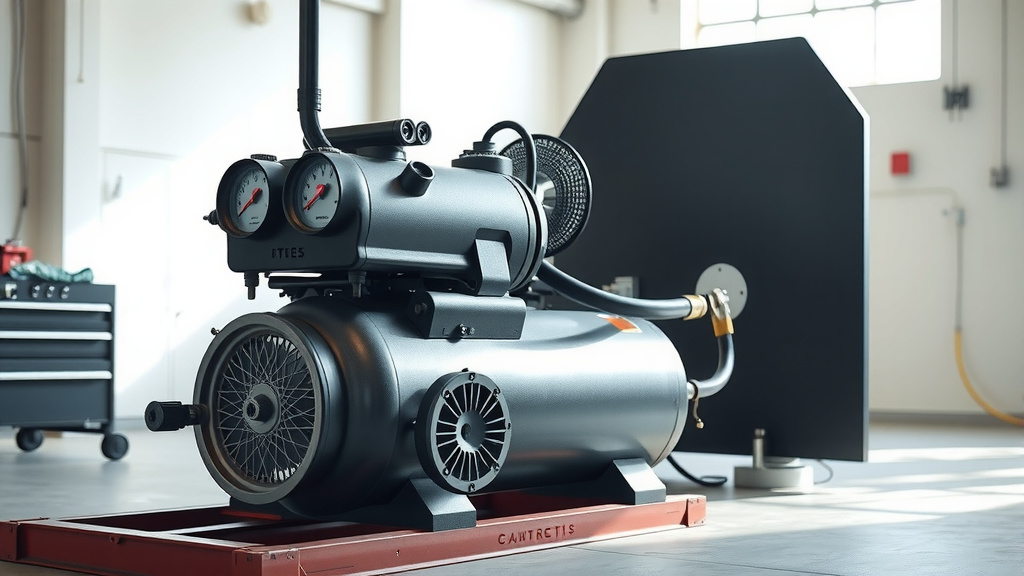
No, an air compressor is not typically considered a core part of the engine itself, though it’s often a vital component that works closely with it.
Instead, think of the air compressor as a separate, powerful accessory that provides pressurized air for various functions, distinct from the engine’s primary role in generating motive power.
- The air compressor usually operates independently from the engine’s combustion process.
- It creates compressed air for tools, vehicle braking systems, or other pneumatic needs.
- Often, the engine powers the compressor through belts or direct drive, but they are separate units.
- Understanding this distinction helps clarify how your systems function and what maintenance they require.
Is The Air Compressor Part Of The Engine?
You might be surprised to learn that an air compressor isn’t actually a direct part of your engine’s internal workings. Many people, even those familiar with machinery, often wonder about this connection. We found that the air compressor functions more like a dedicated helper or a powerful accessory.
Your engine’s job is to create motion, to drive your vehicle or power equipment. The air compressor has a different, yet equally important, role: to take ambient air and compress it. This pressurized air then goes on to do various jobs, like powering tools or operating braking systems.
Understanding the Engine’s Role
Let’s clarify what an engine does. An engine, whether it’s in your car, a big truck, or a generator, converts fuel into mechanical energy. It’s the heart that makes things move. Think of the pistons moving up and down, creating that powerful rotation.
This primary function is all about propulsion or power generation. The engine itself doesn’t need compressed air to run, aside from the air it mixes with fuel for combustion. That’s a very different type of air intake than what a compressor handles.
The Air Compressor: A Separate Powerhouse
Now, let’s look at the air compressor. This piece of equipment is designed for one task: to compress air. It sucks in air from the atmosphere, squeezes it, and stores it under pressure. This pressurized air is then ready for use.
Many experts explain this by comparing it to a separate appliance in your home. Your refrigerator keeps food cold, but it isn’t part of your oven, even though both are in your kitchen and use electricity.
How Air Compressors Get Their Power
So, if it’s not part of the engine, how does an air compressor work? Well, it needs power to run, and often that power comes from the engine! This is where the confusion often comes from. The engine provides mechanical energy to drive the compressor.
In many vehicles, especially larger ones like semi-trucks, the air compressor is typically a belt-driven component. A belt connects it to the engine’s crankshaft, similar to how your alternator or power steering pump gets power. Sometimes, it might even be directly geared to the engine.
Electric Air Compressors: A Different Beast
Not all air compressors are engine-driven, however. We also see many models that run on electricity. Think of the portable air compressor you might use in your garage or the industrial units in a factory. These have their own electric motors.
These electric models show clearly that an air compressor doesn’t intrinsically need an engine to function. They operate completely independently, drawing power from the electrical grid.
Key Functions of an Air Compressor
What exactly does an air compressor do that’s so important? It provides the “muscle” for many pneumatic systems. Without it, lots of things wouldn’t work.
Here are some examples of what compressed air powers:
- Vehicle Braking Systems: Many large trucks and buses use air brakes. The compressor ensures there’s enough pressure to stop these heavy vehicles safely (Commercial Vehicle Safety Alliance).
- Air Suspension: Some vehicles use compressed air to adjust ride height or provide a smoother journey.
- Pneumatic Tools: Think of impact wrenches, nail guns, or sanders. These common tools rely entirely on a steady supply of compressed air.
- Industrial Machinery: Factories use compressed air for automation, clamping, and cleaning processes.
Separation, Not Integration
The main takeaway is this: the engine makes things go, and the air compressor makes things squeeze. They have separate jobs but often work together as a team. Imagine a captain and a first mate on a ship – both vital, but with different duties.
Many industrial manuals stress the importance of understanding this separation for proper troubleshooting and maintenance. You’d service an air compressor differently than you would an engine.
Why the Distinction Matters for You
Knowing that your air compressor isn’t literally “part of” the engine is more than just a technical detail. It has practical implications for how you operate and maintain your equipment.
For example, if you’re having an issue with your air pressure, you’d focus your diagnostic efforts on the compressor, its air lines, and storage tanks. You wouldn’t immediately assume an engine problem, unless the engine isn’t providing power to the compressor.
Maintenance Differences: Engine vs. Compressor
Both your engine and your air compressor need regular care, but their needs are different. Your engine requires oil changes for lubrication, spark plug replacements, and fuel system checks. These are routine engine tasks.
An air compressor, on the other hand, needs checks for air filter cleanliness, moisture drain-offs from its tank, and specific compressor oil changes. These are distinct maintenance procedures (Air Compressor Association guidelines often highlight these).
Common Air Compressor Types and Their Connection
The type of air compressor can also influence how closely it seems connected to an engine. Let’s look at a quick comparison:
| Compressor Type | Power Source | Engine Connection |
|---|---|---|
| Reciprocating (Piston) | Engine-driven or Electric Motor | Often belt-driven from engine. |
| Rotary Screw | Engine-driven or Electric Motor | Can be direct-drive or belt-driven from engine. |
| Centrifugal | Electric Motor or Turbine | Rarely directly engine-driven in typical vehicle/small industrial setups. |
What to Check for Compressor Health
Keeping your air compressor in good shape is easy once you know what to look for. Regular checks can prevent bigger issues down the road and keep your tools and systems running smoothly.
Here’s a simple checklist:
- Drain the air tank regularly to remove moisture buildup.
- Check and replace the air filter as needed to ensure clean air intake.
- Inspect drive belts for wear, cracks, or proper tension if it’s engine-driven.
- Monitor oil levels and perform oil changes according to manufacturer guidelines.
- Listen for unusual noises, which might indicate internal issues.
- Check for air leaks in hoses, fittings, and connections.
Conclusion
To sum it up, while an air compressor often relies on your engine for power, it is functionally and structurally a separate system. Think of it as a highly specialized partner to the engine, each with distinct duties. The engine provides the primary motive power, and the air compressor delivers the vital pressurized air for countless applications, from stopping heavy trucks to powering your workshop tools.
Understanding this clear distinction helps you grasp how your machinery works. It also guides you in providing the correct maintenance for each component, ensuring everything runs efficiently and reliably. So, the next time you hear an air compressor working hard, you’ll know it’s doing its own important job, powered by, but not part of, the engine.
FAQs About Air Compressors and Engines
Can an air compressor work without an engine?
Yes, absolutely! Many air compressors are powered by electric motors and operate completely independently of an engine. You’ll find these in workshops, factories, and even small portable units for home use. The engine-driven type is common in vehicles and certain heavy equipment.
What happens if the air compressor fails in a truck with air brakes?
If the air compressor fails in a truck with air brakes, the vehicle will gradually lose air pressure. Most air brake systems are designed with safety features that will cause the brakes to apply automatically once the air pressure drops below a certain level, preventing the truck from moving or coming to a complete stop safely.
Is the turbocharger the same as an air compressor?
No, a turbocharger is not the same as a general-purpose air compressor. A turbocharger’s specific job is to force more air into the engine’s combustion chambers to increase power output. It works directly with the engine’s exhaust gases to spin a turbine, which then compresses intake air for the engine itself. A standard air compressor provides compressed air for external tools or vehicle systems.
Does an air compressor consume engine power?
Yes, when an air compressor is driven by an engine (via belts or direct drive), it draws mechanical energy from the engine. This means the engine has to work harder to turn the compressor, which can result in a slight decrease in fuel efficiency or available power for other tasks when the compressor is actively running.
How often should I service my air compressor?
Service intervals for air compressors vary greatly depending on the type, manufacturer, and how often it’s used. Many experts suggest checking basic things like draining moisture and inspecting filters weekly or monthly for heavy use. More involved tasks like oil changes might be every few hundred operating hours or annually. Always consult your specific compressor’s owner’s manual for the most accurate maintenance schedule.
