
Should Car Be Running When Using Air Compressor?
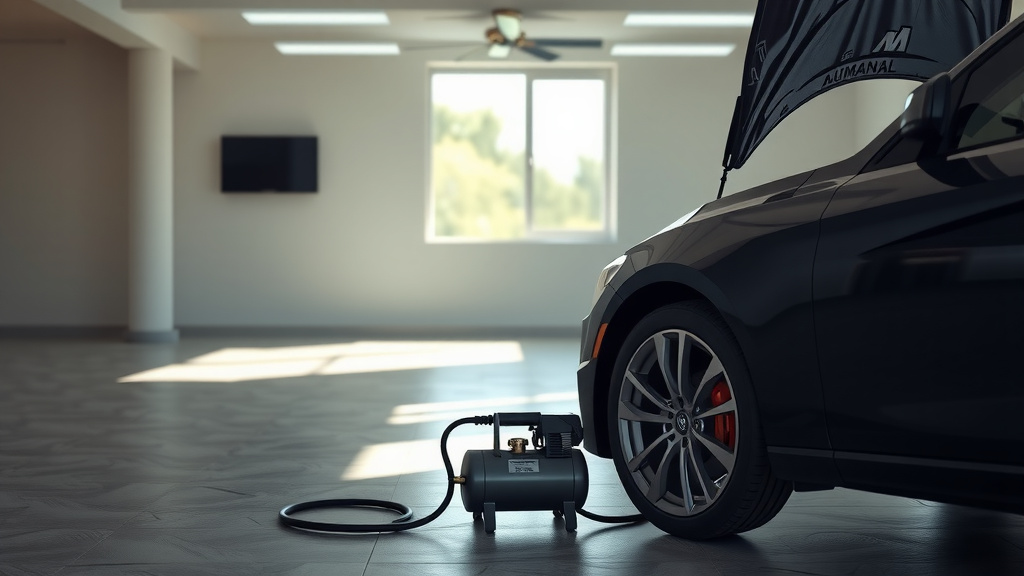
Generally, you don’t need to keep your car running when using a small, portable air compressor for quick tasks like inflating a flat tire. For larger, more demanding tasks or prolonged use, keeping the car running can help prevent battery drain by allowing the alternator to power the compressor.
Whether your car should be running while using an air compressor depends on the compressor’s power source, the task’s duration, and your car’s battery health. It’s a balance between protecting your battery and ensuring safe operation. Always check your compressor’s manual for specific recommendations.
- Running your car helps prevent battery drain for bigger jobs.
- For small, quick inflations, the car often doesn’t need to run.
- Portable 12V compressors usually draw power directly from the car’s battery.
- Always prioritize safety, like good ventilation and checking pressure.
- Refer to your compressor and car manuals for the best guidance.
Should Car Be Running When Using Air Compressor?
Deciding if your car should run during air compressor use can feel like a small puzzle. The simple answer is: it depends on your specific situation. Let’s break down when it’s smart to keep your engine humming and when it’s perfectly fine to leave it off.
The Power Draw Dilemma
Air compressors, especially those designed for car use, pull power from your vehicle. A small, portable 12-volt compressor plugs into your car’s auxiliary power outlet (cigarette lighter). These are great for topping off tires or inflating a bike.
When you use these devices, they consume electricity. This electricity comes directly from your car’s battery. If the engine isn’t running, your alternator isn’t charging the battery. This means the compressor is slowly draining your battery’s stored power.
When to Keep Your Engine Running
You might want to keep your car’s engine running in a few key scenarios. This helps ensure a steady power supply and protects your battery from excessive drain.
For Longer Inflation Tasks
Are you planning to inflate all four tires? Or perhaps a large inflatable raft for the beach? These tasks take time. Prolonged compressor use can significantly drain your car battery. We found that a typical tire inflation from flat can take 5-10 minutes per tire (Consumer Reports).
Using Higher-Power Compressors
Some portable compressors are more powerful, drawing more amps. These can quickly stress your battery. If your compressor feels robust and runs for an extended period, keeping the engine on is wise. This allows your alternator to keep up with the power demand.
If Your Battery is Older or Weak
An older car battery might not hold a charge as well. Using an air compressor with the engine off could leave you with a dead battery. If you suspect your battery is nearing its end, always run the engine when using any significant accessory.
When It’s Okay to Keep Your Engine Off
There are also times when leaving your engine off is perfectly acceptable. This is usually for quick, low-demand tasks.
Quick Top-Ups
Just need to add a couple of PSI to one tire? Or inflate a small sports ball? These are usually very short tasks. The power drawn from your battery will be minimal. It won’t have a noticeable impact on your battery’s charge.
Battery-Powered Compressors
Some modern portable compressors come with their own internal rechargeable battery. These are cordless and don’t draw power from your car at all. For these, your car’s engine status is irrelevant.
Shop Air Compressors
If you’re using a large, electric-powered air compressor in your garage, it’s plugging into a wall outlet. Your car’s electrical system isn’t involved at all. Your car can be completely off in this situation.
The Role of Your Car’s Alternator
Your car’s alternator is a small generator. It produces electricity to power your car’s electrical systems and recharge the battery while the engine runs. When the engine is off, the alternator isn’t working. The battery alone supplies power.
Many experts say that running the engine ensures a constant flow of power to accessories. This prevents your battery from dipping below optimal voltage (NAPA AutoCare).
Potential Risks of Running Your Engine
While often helpful, running your engine comes with its own considerations:
-
Carbon Monoxide: Never run your engine in an enclosed space like a garage without proper ventilation. Carbon monoxide is odorless and deadly.
-
Fuel Consumption: Running your engine uses fuel, though minimal for short periods. This is a minor consideration, but worth noting.
-
Noise: Your car running adds to the noise of the compressor. This might be a nuisance in quiet neighborhoods or late at night.
Checklist Before You Inflate
A quick check before you start can save you trouble later.
- Read your air compressor’s manual.
- Inspect the compressor hose for damage.
- Ensure the car is in park with the parking brake on.
- Check your tire’s recommended PSI.
- Work in a well-ventilated area.
Choosing the Right Compressor
The type of compressor you have also plays a part. A small, simple 12V unit is different from a larger, more powerful one. We often recommend matching the compressor to your typical needs.
| Compressor Type | Power Source | Engine Running? | Best Use Case |
|---|---|---|---|
| Portable 12V DC | Car’s 12V outlet | Recommended for long use | Tire top-ups, small inflatables |
| Cordless (Battery) | Internal battery pack | Not necessary | Quick fixes, off-grid use |
| Shop Compressor (AC) | Wall outlet (120V) | Not necessary | Garage use, heavy duty |
Maintain Your Car Battery
No matter your compressor habits, a healthy car battery is key. Regular battery checks can prevent inconvenient surprises. Research often connects battery longevity with proper maintenance (AAA).
Consider getting your battery tested annually, especially before winter. A strong battery gives you more flexibility when using car accessories.
Conclusion
Ultimately, the choice to run your car’s engine when using an air compressor comes down to common sense and knowing your equipment. For minor tasks, you can likely keep the engine off without worry. But for anything requiring more than a few minutes of operation, or if you have a powerful compressor, letting your engine run is the safer bet to protect your car’s battery. Always prioritize safety, read your manuals, and you’ll be inflating with confidence.
How do I know if my car battery is draining too fast?
If your car struggles to start after using an accessory with the engine off, or if your headlights dim, it might indicate a weakening battery or excessive power drain. Regular battery tests at a service center can confirm its health.
Can using an air compressor damage my car’s alternator?
Generally, using a portable air compressor won’t damage your alternator. The alternator is designed to handle electrical loads. However, continuously overloading it with very high-draw accessories for extended periods, especially if it’s already old, could put extra strain on it.
Is it better to use a battery-powered air compressor?
Battery-powered compressors offer great convenience because they are cordless and don’t rely on your car’s power or a wall outlet. They’re excellent for quick tasks or emergencies where power access is limited. The “better” choice depends on your primary needs and how often you’ll use it.
What should I do if my car battery dies after using an air compressor?
If your car battery dies, you’ll need a jump start from another vehicle or a portable jump starter. After getting it running, consider driving for at least 20-30 minutes to allow the alternator to recharge the battery. Then, have your battery tested to see if it needs replacement.
Are there any safety concerns with using an air compressor near a running car?
Yes, ensure adequate ventilation to prevent carbon monoxide buildup if the car is running in an enclosed space. Also, be mindful of moving parts under the hood and keep hoses away from hot engine components. Always follow the safety guidelines in your compressor’s manual.
