
Should I Empty Air Compressor?
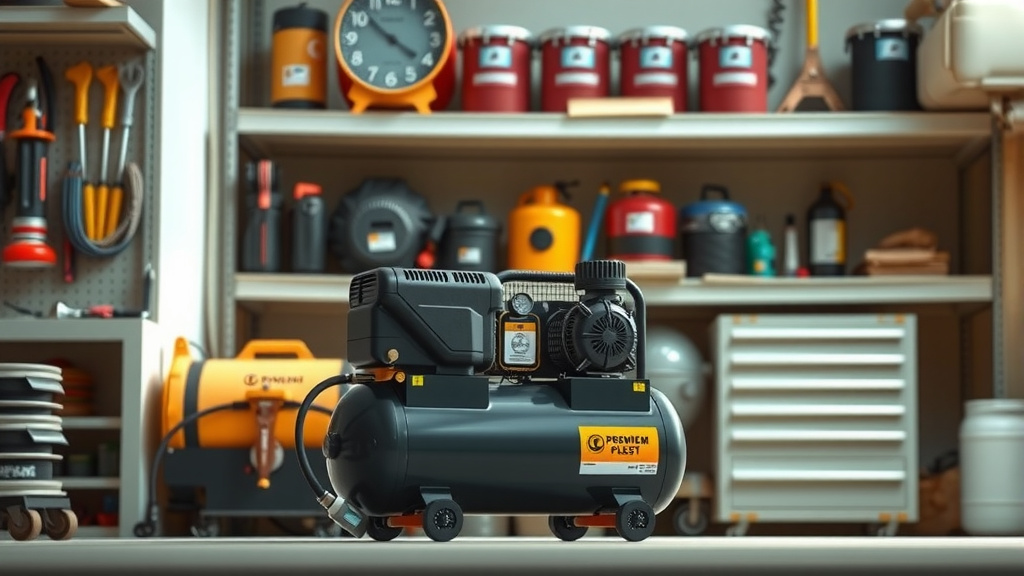
Yes, you absolutely should empty your air compressor after each use or at least daily. This crucial step prevents the buildup of moisture inside the tank, protecting it from rust and ensuring safer operation.
Draining your air compressor regularly extends its lifespan, maintains efficiency, and safeguards against potential tank failure caused by corrosion. It’s a simple habit that offers significant benefits.
- Emptying your air compressor prevents internal rust and corrosion, which can weaken the tank.
- Draining moisture helps your compressor run more efficiently, delivering dryer air for your tools.
- Ignoring drainage risks tank damage, costly repairs, or even catastrophic failure.
- Make it a habit to drain the tank after each use or at the end of every workday.
- This simple maintenance task significantly extends your compressor’s life and ensures safer operation.
Should I Empty Air Compressor?
Yes, without a doubt, you should empty your air compressor. It’s one of the simplest yet most vital maintenance tasks you can perform for your equipment.
Draining the tank regularly safeguards its integrity and ensures your compressor operates effectively for years to come.
Why Draining Your Air Compressor Is So Important
Think of your air compressor as a thirsty machine that also sweats a lot. When air gets compressed, it heats up, and moisture condenses inside the tank.
This isn’t just a little bit of water; it can be a surprising amount, ready to cause big problems if left unchecked. So, why exactly is this simple act so critical?
Fighting the Silent Enemy: Rust and Corrosion
The primary reason to drain your air compressor is to combat rust. That condensed water inside the tank is a breeding ground for corrosion.
Rust weakens the metal walls of the tank, turning a robust piece of equipment into a potential hazard (Occupational Safety and Health Administration).
Protecting Tank Integrity and Safety
A rusted tank is a weak tank. Over time, corrosion can create thin spots that are vulnerable to the immense pressure inside the compressor.
Many experts say a tank failure due to rust can be extremely dangerous, causing explosions or projectile hazards (Compressed Gas Association).
Boosting Compressor Efficiency
Beyond safety, draining moisture helps your compressor work better. Water takes up space, reducing the tank’s effective air storage capacity.
A tank full of water also forces the compressor to work harder to build and maintain pressure, wasting energy and wearing down components faster.
Protecting Your Tools and Projects
That water isn’t just sitting in the tank; it can be pushed out with the compressed air into your air tools, paint guns, or even directly onto your project.
Wet air can rust your tools, ruin paint jobs, and decrease the performance of pneumatic equipment. We found that even small amounts of moisture can cause significant damage (Pneumatic Handbook).
When to Drain Your Air Compressor Tank
So, you know you should drain it, but when? The general rule of thumb is to drain it after every single use. Is that overkill?
Not really, especially if you live in a humid environment or use your compressor frequently. It’s like checking your car’s oil; it becomes second nature.
Daily Drainage for Regular Users
If you use your compressor daily, make draining it the last step of your workday. It takes just a minute or two but saves hours of potential trouble down the road.
Even if you only use it for a few minutes, moisture will still condense inside the tank. Better safe than sorry, right?
Weekly or Bi-Weekly for Occasional Use
For less frequent users, say once or twice a week, draining after each session is still ideal. If you forget, aim for at least a weekly check and drain.
The key is to prevent water from sitting in the tank for extended periods, as this is when corrosion really takes hold.
How to Properly Drain Your Air Compressor
Draining your air compressor is a straightforward process, but safety always comes first. Don’t rush it; take your time.
Here’s a simple guide to get all that nasty water out of your tank.
- Turn Off and Unplug: Always turn off your compressor and unplug it from the power source. Safety first!
- Depressurize the Tank: Open the air outlet valve or pull the safety relief valve to release all the air pressure from the tank. You might hear a hissing sound. Wait until it stops completely.
- Locate the Drain Valve: The drain valve is usually a small petcock or ball valve located at the very bottom of the air tank.
- Open the Drain Valve: Slowly open the drain valve. Water, often mixed with rust and oil, will start to stream out.
- Tilt if Necessary: If your compressor is portable, you might need to tilt it slightly to ensure all the water drains out.
- Close the Valve: Once only air comes out, close the drain valve tightly.
What Happens If You Don’t Drain Your Compressor?
Ignoring this simple task can lead to a cascade of problems, ranging from minor annoyances to serious safety risks. It’s not a question of “if,” but “when” issues will arise.
Reduced Air Quality and Tool Damage
As we found, the most immediate effect is water making its way into your air lines and tools. This causes rust in your pneumatic tools, reduces their lifespan, and even affects their performance.
Imagine trying to paint with water spitting out of your spray gun—frustrating, right?
Increased Risk of Tank Failure
Over time, the cumulative effect of internal rust significantly compromises the tank’s structural integrity. This is not just about a leaky tank; it’s about a tank that could fail catastrophically.
A sudden tank rupture can be incredibly dangerous, causing serious injury or even fatalities, according to safety guidelines (National Fire Protection Association).
Costly Repairs and Replacements
A rusted-out tank often means replacing the entire compressor, which can be a significant expense. Repairs for internal rust are often impractical or too costly.
Preventative maintenance, like draining the tank, is far cheaper than reactive repairs or replacements.
Draining Frequency Based on Compressor Use
The frequency of draining your air compressor can vary based on how often you use it and your local humidity levels. Here’s a quick guide:
| Usage Frequency | Draining Recommendation | Considerations |
|---|---|---|
| Daily/Heavy Use | After every use | High humidity, continuous operation, critical applications |
| Weekly/Moderate Use | At least once a week | Occasional tasks, garages, workshops |
| Monthly/Light Use | At least once a month | Infrequent DIY projects, low humidity environments |
| Storage | Before storing | Ensure tank is completely dry to prevent long-term corrosion |
Humidity Plays a Role
If you live in a very humid area, like near the coast or in a tropical climate, you might notice even more water collects in your tank. In these conditions, daily drainage is even more critical.
Think of it as the compressor “sweating” more in a muggy environment. You need to wipe that sweat away!
Consider Your Tools and Projects
For applications where clean, dry air is paramount—like painting, woodworking, or automotive work—you’ll want to be especially diligent with drainage.
This diligence ensures your projects don’t get ruined by moisture and your specialized tools remain in top condition.
Key Checklist for Air Compressor Draining
To make sure you never miss a step, here’s a quick checklist to guide you through the process. Keeping this in mind helps with routine maintenance.
- Turn off and unplug the compressor.
- Depressurize the air tank completely.
- Locate the drain valve at the bottom.
- Open the valve to release condensed water.
- Wait until only air is expelled.
- Close the drain valve tightly.
Conclusion
Draining your air compressor isn’t just a suggestion; it’s a non-negotiable part of responsible air compressor ownership. It’s a simple, quick task that has immense benefits for safety, efficiency, and longevity.
Neglecting this duty can lead to dangerous tank failures, expensive repairs, and subpar performance from your tools. So, make it a habit: after every use, or at least daily, take a moment to release that accumulated moisture.
Your compressor will thank you with years of reliable service, and you’ll enjoy peace of mind knowing you’re operating safely. It’s a small effort for a huge reward.
How often should I drain a new air compressor?
Even a new air compressor needs to be drained regularly. Moisture will condense inside the tank from the very first use, so aim to drain it after each use, or at least daily if used frequently. There’s no “break-in” period for moisture accumulation.
Can I just tilt my air compressor to drain water instead of using the valve?
No, you should always use the drain valve located at the bottom of the tank. While tilting might help dislodge some remaining water after opening the valve, it won’t fully drain the tank safely or effectively on its own. The valve is designed for proper drainage.
What if I forget to drain my air compressor for a long time?
If you forget to drain it for an extended period, you’ll likely find a significant amount of rusty, foul-smelling water when you finally do. Prolonged neglect increases the risk of severe internal rust and tank damage, potentially making the compressor unsafe to use. Drain it immediately and try to be more consistent going forward.
Does humidity affect how often I need to drain my compressor?
Yes, absolutely. In areas with high humidity, more water vapor is present in the ambient air that the compressor draws in. This means more condensation will form inside the tank, requiring more frequent draining—sometimes even multiple times a day if the usage is heavy.
Do all air compressors have a drain valve?
Virtually all air compressors designed with a pressure tank will have a drain valve. It’s a critical safety and maintenance feature. If you can’t find yours, consult your compressor’s owner’s manual for its exact location and instructions.
