
Should You Leave Air In A Compressor?
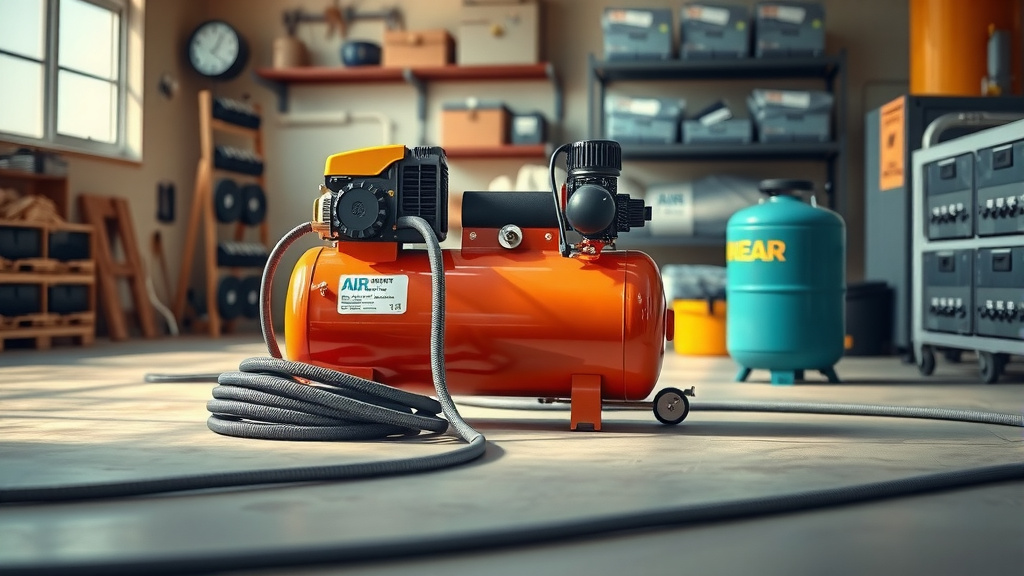
Generally, you should not leave pressurized air in a compressor for extended periods to ensure safety and prolong the unit’s lifespan.
Draining the air from your compressor tank after each use helps prevent rust and stress on components.
- Always drain your air compressor tank after use for safety.
- Releasing air prevents rust from moisture buildup inside the tank.
- It reduces stress on seals, valves, and the motor, extending compressor life.
- Storing an empty tank also lowers the risk of unexpected air release.
- Prioritize safety and proper maintenance for your equipment.
You’ve just finished a project, and your air compressor tank still holds pressure. Perhaps you’re wondering, “Should I just leave this air in here?” It’s a common thought for many tool users.
However, the straightforward answer for most situations is “no.” Letting out the air is often the best practice for your equipment and your safety.
Should You Leave Air In A Compressor?
For optimal safety and longevity, you should release the air from your compressor tank after each use.
This simple act guards against potential hazards and protects your valuable investment.
Why Draining Your Compressor Air is Crucial
Leaving air in your compressor might seem harmless. Yet, this practice carries several hidden risks and maintenance issues. Understanding these can change your routine.
You are actively preventing problems when you routinely drain your air tank. Think of it as a small step for significant benefits.
Safety First: Preventing Accidental Discharge
A pressurized tank is essentially a stored energy device. An unexpected failure could result in a sudden, forceful release of air.
Many safety guidelines suggest depressurizing tanks when not in use (Occupational Safety and Health Administration).
You reduce the risk of accidents by simply emptying the tank. This makes your workspace much safer for everyone.
Combating Moisture: The Rust Enemy
Air compressors naturally pull moisture from the surrounding air. This moisture condenses inside the tank as pressure builds.
Over time, this standing water can cause significant rust and corrosion. You wouldn’t leave water in a metal bucket, would you? The same idea applies here for preventing internal rust.
Protecting Internal Components
Pressurized air places constant stress on seals, valves, and other parts. These components are designed for high pressure, but constant strain can lead to premature wear.
By releasing the air, you allow these parts to rest and relax. This simple action extends the overall lifespan of your air compressor.
The Science Behind Compressor Condensation
When air is compressed, its temperature rises. After compression, the air cools, and water vapor transforms into liquid water.
This condensation collects at the bottom of your tank. It’s an unavoidable part of how air compressors work, like dew forming on grass in the morning.
Therefore, routinely draining this moisture is a critical maintenance task. You are actively fighting against rust and internal damage.
What Happens If You Don’t Drain The Air?
Ignoring the draining process can create several issues for your compressor. These problems often develop slowly, making them easy to miss until it’s too late.
You might notice a gradual decline in performance or even a complete failure. Prevention is far better than repair in this case.
Weakened Tank Integrity Over Time
Rust and corrosion inside the tank can thin the metal walls. A weakened tank is a significant safety hazard, as it increases the risk of rupture.
Experts agree that tank integrity is paramount for safety (American Society of Mechanical Engineers). You are literally eroding your compressor’s safe operational life.
Reduced Efficiency and Performance
Water buildup takes up valuable space inside the tank. This means your compressor has less room for air, forcing it to run more frequently.
More frequent running leads to increased energy consumption and wear on the motor. You’ll find your compressor less efficient and your electricity bill higher.
When Is It Okay (or Not) to Leave Some Air?
Sometimes, leaving a tiny bit of air for a very short duration might seem tempting. However, the general rule still leans towards draining.
Think of it like leaving a small crack in your car window. While it might be fine for a minute, leaving it overnight can lead to bigger issues.
Short-Term Storage vs. Long-Term Hibernation
If you’re stepping away for just a few minutes, say to grab a tool, leaving the air might be acceptable. This is very short-term, almost continuous use.
However, if you’re done for the day or longer, always drain the tank. Long-term storage with pressurized air significantly raises risks.
Manufacturer’s Recommendations
Most air compressor manufacturers explicitly advise draining the tank after each use. We found this to be a consistent recommendation across many brands.
Following these guidelines protects your warranty and ensures safe operation. You are simply following expert advice when you drain the air.
Your Simple Air Compressor Draining Checklist
Draining your air compressor doesn’t have to be complicated. Just follow these quick steps:
- Turn off the compressor and unplug it.
- Open the air outlet valve to release residual air pressure from the hose.
- Locate the drain valve at the bottom of the tank.
- Open the drain valve slowly to release air and moisture.
- Close the drain valve once all air and water are expelled.
How to Properly Drain Your Air Compressor Tank
It’s an easy process once you know how. Always prioritize safety first by ensuring the compressor is off and unplugged.
Many experts suggest wearing safety glasses, as moisture can sometimes spray out. You are protecting your eyes from potential debris or rust particles.
The drain valve is typically a petcock-style valve or a ball valve. Slowly open it to let the air and water escape. Close it when only air remains.
Comparing Air Compressor Tank Storage Approaches
Let’s look at the differences between leaving air in the tank versus draining it. This table highlights the key pros and cons for your consideration.
| Storage Approach | Pros | Cons |
|---|---|---|
| Leaving Air In | Convenience (no draining time), quick startup for next use. | Safety risk, tank corrosion, component wear, reduced efficiency, potential for leaks. |
| Draining Air Out | Enhanced safety, prevents rust, extends component life, improves efficiency, follows manufacturer guidelines. | Requires a few minutes of extra time after each use. |
Conclusion
The question of whether to leave air in a compressor has a clear answer for most situations: it’s better to drain it. This simple, consistent habit is a cornerstone of good compressor maintenance and safe operation.
By taking a few extra minutes after each use to release the air and moisture, you are making a conscious choice. You are protecting your equipment, ensuring a safer work environment, and ultimately, saving yourself time and money on future repairs. Make draining a regular part of your routine.
What is the main danger of leaving air in a compressor?
The primary danger is the risk of an unexpected tank rupture due to internal corrosion from trapped moisture, which weakens the metal over time. This can cause significant injury or damage.
How often should I drain my air compressor tank?
You should drain your air compressor tank after every use. This daily practice prevents moisture buildup, which is the leading cause of tank corrosion and efficiency loss.
Does leaving air in a compressor affect its lifespan?
Yes, leaving air in a compressor can significantly shorten its lifespan. Constant pressure stresses seals and components, while trapped moisture promotes rust, both leading to premature wear and failure.
Can a rusty air compressor tank be repaired?
A rusty air compressor tank is typically not repairable and should be replaced. Welding or patching a corroded pressure vessel is highly dangerous due to the risk of failure under pressure.
Will draining the air make my compressor last longer?
Absolutely. Draining the air protects against rust, reduces stress on internal parts, and prevents motor overwork due to water displacement. This simple maintenance task directly contributes to a much longer and more reliable compressor life.
