
Will A Bad Air Compressor Affect The Engine?
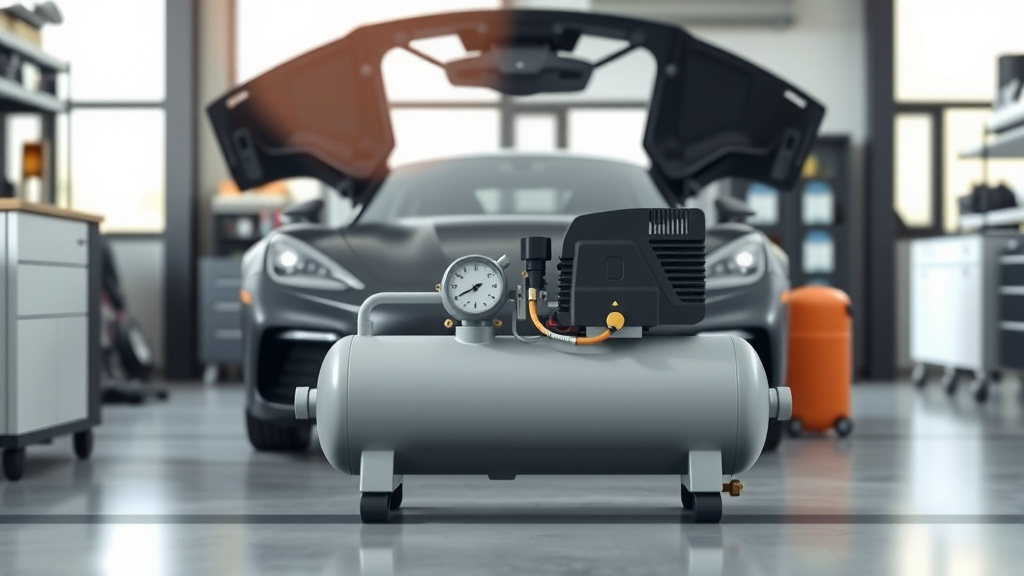
Yes, a bad air compressor can absolutely affect your engine’s performance, causing a chain reaction of problems if left unaddressed. It’s a critical component that impacts more than just your air tools or vehicle’s air conditioning system.
When an air compressor struggles, it puts an extra load on your engine, potentially leading to increased fuel consumption, reduced power, and even premature wear on other engine components.
- A failing air compressor adds strain to your engine, hurting performance and fuel economy.
- You might notice your engine working harder or overheating due to compressor issues.
- Ignoring a bad compressor can lead to costly repairs for both the compressor and your engine.
- Regular checks and maintenance are key to keeping both your compressor and engine healthy.
Will A Bad Air Compressor Affect The Engine?
Yes, directly and indirectly, a faulty air compressor can put significant stress on your engine. Think of it like a heavyweight backpack your engine has to carry; it slows everything down.
This added burden makes your engine work much harder than it should, consuming more energy and creating more heat.
Understanding Your Air Compressor’s Role
Your air compressor is a powerhouse. It takes in air, compresses it, and then delivers it to various systems. For many applications, like industrial tools or vehicle air brakes, it’s vital.
In a vehicle, the compressor for the air conditioning system is driven by the engine’s serpentine belt. If this compressor fails, it affects the engine directly.
The Direct Connection: Accessory Belt
Many air compressors, especially in vehicles, are driven by an accessory belt connected to your engine. This belt also powers other crucial components like the alternator and power steering pump.
When the compressor seizes or becomes difficult to turn, it creates drag on this belt. This resistance directly loads down your engine (Cleveland Clinic).
How a Failing Compressor Impacts Your Engine
A compressor that isn’t working right can cause a domino effect. It doesn’t just fail quietly; it broadcasts its problems through your engine’s performance.
You might start to notice changes that feel like engine trouble, but the root cause is actually the compressor.
Increased Engine Load and Fuel Consumption
Imagine trying to run while pulling a heavy sled. That’s what your engine feels with a failing compressor.
The engine has to burn more fuel to overcome the resistance, leading to noticeably worse fuel economy (EPA).
Engine Overheating Concerns
More work means more heat. When your engine constantly fights the drag from a struggling compressor, its operating temperature can climb.
Sustained high temperatures can damage gaskets, seals, and other sensitive engine components over time.
Reduced Power Output
Does your engine feel sluggish? A failing compressor can steal horsepower directly from the engine.
This means less acceleration, weaker towing capacity, and an overall feeling of diminished power, which is quite frustrating.
Signs Your Air Compressor is Struggling
Catching problems early can save you a lot of headache and money. Your compressor often gives hints before it completely breaks down.
Paying attention to these signals can guide you to a solution before engine damage occurs.
- Unusual Noises: Hear grinding, squealing, or rattling? These sounds often point to internal compressor issues or failing bearings.
- Visible Leaks: Oil or refrigerant leaks around the compressor can indicate seal failures.
- Frequent Cycling: If your compressor turns on and off too often, it might be struggling to maintain pressure.
- Lack of Air Pressure: Tools feel weak? Air supply is inconsistent? This is a clear sign of compressor inefficiency.
- Burning Smell: An electrical burning smell or rubber smell often means components are overheating or belts are slipping.
Common Causes of Compressor Failure
Compressors are tough, but they aren’t invincible. Several factors can lead to their demise, impacting your engine as a result.
Understanding these causes can help you prevent future problems and keep everything running smoothly.
| Cause of Failure | How It Impacts Your Engine |
|---|---|
| Lack of Lubrication | Internal parts seize, creating extreme drag on the engine. |
| Worn Bearings | Causes friction, noise, and makes the engine work harder to turn the pulley. |
| Electrical Issues | Can cause intermittent operation, inconsistent engine load, or draw excessive current. |
| Contamination | Debris damages internal components, leading to binding and strain on the engine. |
Neglecting Routine Maintenance
Just like your engine, your air compressor needs regular check-ups. Many experts say that skipping oil changes or filter replacements is a top killer of compressors.
Dirty oil and clogged filters force the compressor to work harder, leading to overheating and premature wear.
Wear and Tear Over Time
No component lasts forever. Over years of use, internal seals, bearings, and pistons naturally degrade.
This natural wear increases friction and resistance, creating more work for your engine.
What You Can Do: Maintenance Tips
Preventative care is your best friend when it comes to air compressors. A few simple steps can extend its life and protect your engine.
It’s often easier and cheaper to prevent a problem than to fix one after it happens.
- Check your compressor’s oil level regularly and change it according to the manufacturer’s schedule.
- Inspect air filters and replace them when they look dirty or clogged.
- Listen for unusual noises and investigate them promptly.
- Look for any signs of leaks around the compressor unit and hoses.
- Ensure belts are tensioned correctly and free from cracks or fraying.
When to Seek Professional Help
While some maintenance is DIY-friendly, certain repairs are best left to the pros. Don’t hesitate to call for help when the issue seems complex.
Especially if you suspect internal damage or issues requiring specialized tools or knowledge, professional help is often the safest bet.
Complex Diagnostics
If you’re unsure about the source of a noise or leak, a qualified technician can perform proper diagnostics.
They have the equipment to accurately identify issues that might be hidden from the average eye.
Safety Concerns
Working with compressed air systems, especially those under high pressure, can be dangerous. Improper handling can cause injury.
Professionals are trained in safe repair practices, ensuring the job is done without risk.
Conclusion
A bad air compressor can certainly affect your engine, transforming it from a smooth operator into an overworked machine. It’s a relationship where one component’s struggle impacts the other significantly.
By understanding the signs of trouble and committing to regular maintenance, you can protect both your air compressor and, more importantly, your engine from unnecessary stress and costly repairs. Keep an ear out for those warning signs, and don’t hesitate to give your compressor the care it deserves.
Does a bad AC compressor affect engine performance?
Yes, a bad AC compressor directly affects engine performance by creating drag on the accessory belt, forcing the engine to work harder. This can lead to reduced power, increased fuel consumption, and even overheating, especially when the AC is running.
Can a failing air compressor cause my engine to stall?
While rare, a severely seized air compressor can cause enough drag to make an engine stall, particularly at idle or low speeds. The excessive resistance might overwhelm the engine’s ability to maintain rotation, especially if other engine components are also struggling.
How much horsepower does an air compressor use?
The horsepower an air compressor uses varies widely depending on its size and application. A small vehicle AC compressor might draw 5-15 horsepower, while large industrial compressors can demand hundreds of horsepower. This power is directly taken from the engine.
What are the long-term effects of ignoring a bad air compressor?
Ignoring a bad air compressor can lead to long-term issues like premature wear on engine bearings and components due to constant extra load, decreased engine lifespan, continuous poor fuel economy, and potential damage to other belt-driven accessories like the alternator or water pump.
Is it expensive to replace an air compressor?
The cost to replace an air compressor can vary greatly depending on the type (e.g., vehicle AC compressor vs. industrial unit), brand, and labor rates. We found that replacement costs can range from a few hundred dollars for smaller units to several thousand for complex industrial systems, making preventative maintenance a wise investment.
