
What Is High Pressure Air Compressor?
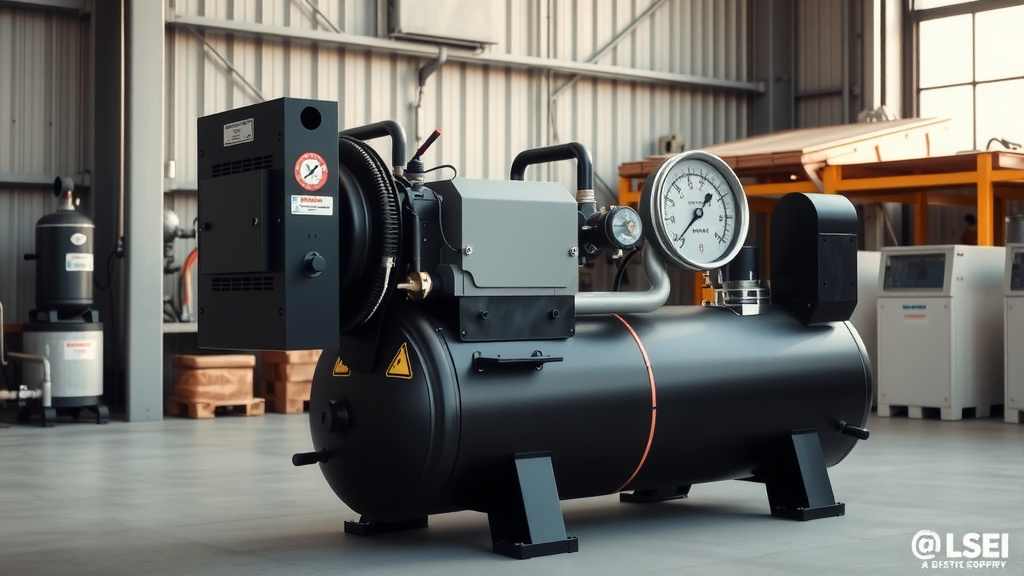
A high-pressure air compressor is a specialized machine designed to generate compressed air at significantly higher pressures than standard compressors.
These powerful units are essential for applications requiring extreme force, such as diving, industrial processes, and some specialized manufacturing operations.
- High-pressure air compressors deliver air at much greater force than typical units.
- They are vital for demanding tasks like scuba diving, industrial testing, and manufacturing.
- Key types include reciprocating and rotary screw designs, each suited for different needs.
- Proper maintenance ensures safety and extends the life of these complex machines.
- Choosing the right one means matching its pressure, flow, and power to your specific job.
What Is High Pressure Air Compressor?
A high-pressure air compressor takes ambient air and compresses it to very high force levels, often exceeding 1,000 PSI.
Understanding Pressure: PSI, Bar, and Beyond
When we talk about high pressure, we are generally referring to air compressed to hundreds or even thousands of pounds per square inch (PSI). Think of it like a superhero flexing – it’s about raw force! Other common units you might see are bar or kilopascals (kPa), but PSI is often the simplest way to visualize it.
How They Differ from Standard Compressors
You might have a standard air compressor in your garage for tires or nail guns. Those are great for everyday tasks. But a high-pressure unit? That’s a different beast entirely. We found that standard compressors typically operate under 200 PSI, while high-pressure units often start where others leave off, pushing air with much greater force and volume (Industry Standards Guide).
The Power of Pressure
Imagine trying to push a heavy box. A standard compressor gives you a gentle shove. A high-pressure one? It’s like a bulldozer. This added power allows for tasks that simply aren’t possible with lower pressures, opening up new possibilities for work and play.
Why Do You Need High Pressure Air?
So, why would anyone need such extreme pressure? It boils down to specific applications that require significant force, controlled movement, or a dense storage of air.
Applications Demanding High Pressure
Think about tasks that need a lot of oomph. We found many critical uses across various fields. From filling scuba tanks to operating heavy machinery, high pressure is often the only answer.
Diving and Breathable Air
If you enjoy scuba diving, you rely on a high-pressure compressor every time you fill a tank. Your life literally depends on getting air stored at thousands of PSI safely and cleanly. It’s a vital link for underwater exploration.
Industrial Processes and Manufacturing
In factories, these compressors power things like plastic injection molding, where molten material needs to be forced into complex shapes. They also drive high-pressure testing, checking the integrity of pipes and vessels. Many experts say this ensures product safety and operational efficiency.
Specialized Tools and Equipment
Some industrial tools, like large air hammers or certain cleaning systems, are designed to work only with high-pressure air. They convert that powerful air into incredible mechanical force or precise cleaning jets.
How Does a High Pressure Air Compressor Work?
At its core, the principle is similar to any compressor: suck air in, squeeze it, and release it. But for high pressure, it needs to do it multiple times.
Multi-Stage Compression: The Key
Unlike single-stage compressors, high-pressure units often use multiple stages. This means the air is compressed, then cooled, then compressed again, and so on. We found this multi-stage approach is essential for reaching very high pressures safely and efficiently (Engineering Basics Journal).
Cooling Between Stages
Each time air is compressed, it gets hot. Very hot! Imagine pushing a bike pump quickly – it warms up. For high-pressure units, special intercoolers remove this heat between stages. This cooling makes the air denser, allowing for more effective further compression.
Types of High Pressure Air Compressors
Not all high-pressure compressors are built the same. They generally fall into a few main categories based on their design.
Reciprocating (Piston) Compressors
These are perhaps the most common type you’ll encounter. They use pistons moving up and down in cylinders to compress air. Think of an old car engine, but for air. They are often robust and reliable for intermittent use.
Rotary Screw Compressors
For continuous, high-volume needs, rotary screw compressors shine. They use two interlocking helical rotors to trap and compress air. They operate smoothly and can run for long periods, making them ideal for demanding industrial environments.
Here’s a quick look at how these types generally stack up:
| Feature | Reciprocating (Piston) | Rotary Screw |
|---|---|---|
| Operation | Intermittent Duty | Continuous Duty |
| Noise Level | Often Louder | Generally Quieter |
| Maintenance | More Frequent Piston/Valve Checks | Fewer Moving Parts, Longer Intervals |
| Initial Cost | Generally Lower | Typically Higher |
| Best For | Scuba tanks, specific industrial tools | Large factories, constant air supply |
Key Components of a High Pressure System
Beyond the compressor itself, several other parts work together to make a high-pressure air system functional and safe.
Air Receivers (Storage Tanks)
These are the big tanks that hold the compressed air. They act like a battery, storing air so the compressor doesn’t have to run constantly. For high pressure, these tanks are built to extremely strict safety standards (ASME Code).
Air Dryers and Filters
Compressed air, especially at high pressures, can contain moisture and contaminants. Air dryers remove water vapor, and filters catch particles and oil. This ensures the air is clean and dry, protecting your equipment and the people using it. Many experts point out this is vital for longevity and safety.
Regulators and Safety Valves
A regulator controls the pressure delivered to your tools, making sure you get exactly what you need. Safety valves are like an emergency pressure release; they prevent the system from exceeding safe limits. These components are non-negotiable for safe operation.
Maintaining Your High Pressure Air Compressor
Keeping these powerful machines running smoothly requires attention. Think of it like taking care of a high-performance sports car.
Regular Checks and Servicing
We found that frequent visual checks are key. Look for leaks, strange noises, or unusual vibrations. Follow the manufacturer’s schedule for oil changes and filter replacements. This proactive approach prevents minor issues from becoming major problems.
Checklist for Optimal Performance
- Inspect for visible leaks around fittings and hoses.
- Monitor oil levels and change as recommended by the manufacturer.
- Replace air filters regularly to ensure clean air intake.
- Drain condensation from the air receiver daily or weekly.
- Test safety valves periodically to ensure proper function.
- Listen for unusual noises or vibrations during operation.
Choosing the Right High Pressure Compressor
Selecting the perfect unit means considering your specific needs. It’s not a one-size-fits-all situation.
Pressure and Flow Requirements
What PSI do your tools or applications need? How much air (Cubic Feet per Minute or CFM) do you require? These are the first questions to ask. Many guidelines suggest always having a compressor that exceeds your maximum requirements slightly, giving you a buffer.
Power Source and Portability
Will it be electric or gas-powered? Do you need a stationary unit for a workshop or a portable one for fieldwork? Your answers will guide your choice. We found that matching the power source to your environment is crucial for convenience and efficiency.
Conclusion
High-pressure air compressors are incredible machines, vital for a wide array of demanding applications. From filling life-sustaining scuba tanks to powering heavy industrial processes, they deliver the raw force needed when standard compressors simply won’t do. Understanding their unique features, types, and the importance of regular maintenance ensures you get the most out of these powerful units safely and efficiently. If your task calls for serious air power, you now know the specialized world of high-pressure compressors is ready to deliver.
FAQs About High Pressure Air Compressors
What is the typical pressure range for a high-pressure air compressor?
High-pressure air compressors commonly operate in ranges from 300 PSI (pounds per square inch) up to 6,000 PSI or even higher, depending on the specific model and intended application. This far exceeds the typical 90-175 PSI of standard compressors.
Can I use a high-pressure air compressor for home garage tasks?
While technically possible, it’s usually overkill and often unsafe for typical home garage tasks like tire inflation or powering small air tools. Standard compressors are more appropriate and much safer for these lower-pressure needs. High-pressure units are designed for much more demanding and specialized jobs.
How often should I service my high-pressure air compressor?
Service intervals vary by manufacturer and usage, but generally, you should follow a strict schedule for oil changes, filter replacements, and safety valve checks. Many commercial units require daily or weekly checks, with more extensive servicing every few hundred operating hours. Always consult your specific owner’s manual.
What safety precautions are essential when operating a high-pressure air compressor?
Safety is paramount. Always wear appropriate personal protective equipment (PPE), ensure proper ventilation, never exceed rated pressure limits, and regularly inspect hoses, fittings, and tanks for damage. It’s also vital to confirm all safety valves are functioning correctly and that you understand the machine’s operation thoroughly.
Are high-pressure air compressors energy efficient?
High-pressure air compressors are designed for specific high-demand tasks and require significant power to operate. While manufacturers constantly work on improving efficiency, the process of compressing air to extremely high pressures inherently consumes a lot of energy. Proper sizing for your application and diligent maintenance can help optimize energy use.
