
How Much Does an Air Compressor Cost?
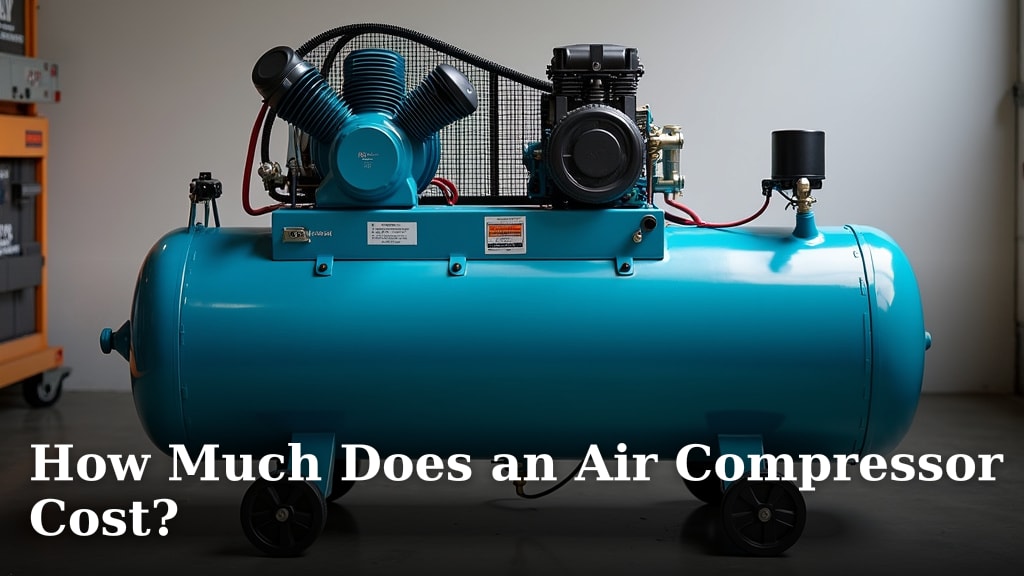
An air compressor can cost anywhere from $100 to over $2,000, depending on its size and power. For most DIY home projects, you can expect to pay between $150 and $500 for a reliable air compressor. The price often reflects the compressor’s capacity and features, directly impacting how much an air compressor costs.
The type of air compressor you need heavily influences its price. Small, portable models are much cheaper than large, stationary units. We found that compressors for professional work or industrial use are significantly more expensive due to their advanced features and durability. Think about what you’ll use it for.
TL;DR
- Basic home use compressors typically cost $150-$500.
- Professional or industrial models can exceed $2,000.
- Compressor size, power, and features drive the price.
- Tank size and CFM (Cubic Feet per Minute) are key factors.
- Portable units are budget-friendly; stationary units cost more.
Ready to figure out which air compressor fits your needs and budget? Let’s break down the different factors that influence air compressor prices and help you make a smart choice.
What Influences Air Compressor Prices?
The cost of an air compressor isn’t just a random number. Many factors come together to determine its final price. Think of it like buying a car; a compact sedan costs less than a heavy-duty pickup truck. It’s all about the features and capabilities you need.
We found that understanding these factors helps you make a truly informed decision. You avoid paying too much for something you don’t need or too little for an air compressor that won’t get the job done.
Key Factors Driving Air Compressor Costs
When you start looking at air compressors, you’ll quickly notice some terms repeated. These aren’t just technical jargon; they are direct indicators of performance and price. Focusing on these helps clarify your choices.
Cubic Feet per Minute (CFM) and Pounds per Square Inch (PSI)
These two measurements are vital. CFM tells you the volume of air an compressor can produce per minute. PSI indicates the maximum pressure it can generate. Together, they tell you what tools the compressor can power. Higher CFM and PSI usually mean a higher price.
For example, a small brad nailer needs much less CFM than an impact wrench. If you plan to power a demanding tool, you’ll need higher CFM. This directly impacts the compressor’s motor size and overall capability, driving the cost up.
Tank Size
The air compressor’s tank stores compressed air. A larger tank means longer run times for your tools without the motor constantly cycling on and off. This can be very convenient for continuous work. However, bigger tanks mean more materials, more weight, and a higher cost.
Conversely, a smaller tank is great for portability and quick, intermittent tasks, making those units generally more affordable. Imagine filling up a small water bottle versus a large cooler; the cooler costs more and holds more.
Horsepower (HP)
The horsepower of an air compressor refers to the power of its motor. A higher HP motor can generate more air, faster, and often with higher pressure. This directly relates to the CFM output. Professional-grade compressors often boast higher HP ratings, which adds to their expense.
For basic home use, you might find something as low as 1 HP. Industrial applications could require 5 HP or more. More power costs more money to build and operate.
Type of Compressor Pump
This is where the real mechanics come into play. There are different types of pumps, and they affect both performance and noise levels. We’ve found that the pump type is often a major cost differentiator.
- Single-stage pumps: These are the most common in consumer-grade compressors. They compress air once before sending it to the tank. They are generally less expensive, good for light-duty tasks, and offer good value.
- Two-stage pumps: These compress air twice, resulting in higher pressure and greater efficiency. You’ll find these in professional and industrial settings. They are more durable and powerful, but also significantly more expensive.
- Oil-lubricated pumps: These use oil to lubricate moving parts, leading to longer life and quieter operation. They require occasional oil changes.
- Oil-free pumps: These are lighter, require less maintenance, and are often found in portable units. They tend to be noisier and may not last as long as oil-lubricated models, but their lower purchase price and maintenance appeal to many users.
Air Compressor Price Ranges by Type
Let’s look at the general price spectrum you can expect for different categories of air compressors. Your specific needs will guide you toward one of these types.
Portable Air Compressors (Pancake, Hot Dog, Twin-Stack)
These are your entry-level options, perfect for home DIYers. They are compact, lightweight, and easy to move around. Their pricing reflects their smaller capacity and typically lower CFM. We found these are excellent for trim work, small painting jobs, or inflating tires.
- Price Range: $100 – $350
- Typical Features: Small tank (1-6 gallons), 0.5-2 HP motor, 2-6 CFM at 90 PSI.
- Best For: Brad nailing, stapling, minor inflation tasks, touch-up painting.
Many homeowners start with one of these. They are a great way to get familiar with air tools without a huge investment.
Contractor-Grade Air Compressors (Wheelbarrow, Pontoon)
Moving up a notch, these are designed for more demanding tasks and continuous use on job sites. They offer more power and larger tanks than portable home models. They’re built to handle the rigors of professional use, which means they come with a higher price tag.
- Price Range: $350 – $1,200
- Typical Features: Medium tank (5-30 gallons), 2-5 HP motor, 6-12 CFM at 90 PSI.
- Best For: Framing, roofing, automotive work, larger painting projects, powering multiple tools.
These are a good investment if you use air tools frequently or for more extensive projects. Many experts say they strike a good balance between portability and power (Construction World).
Stationary or Industrial Air Compressors
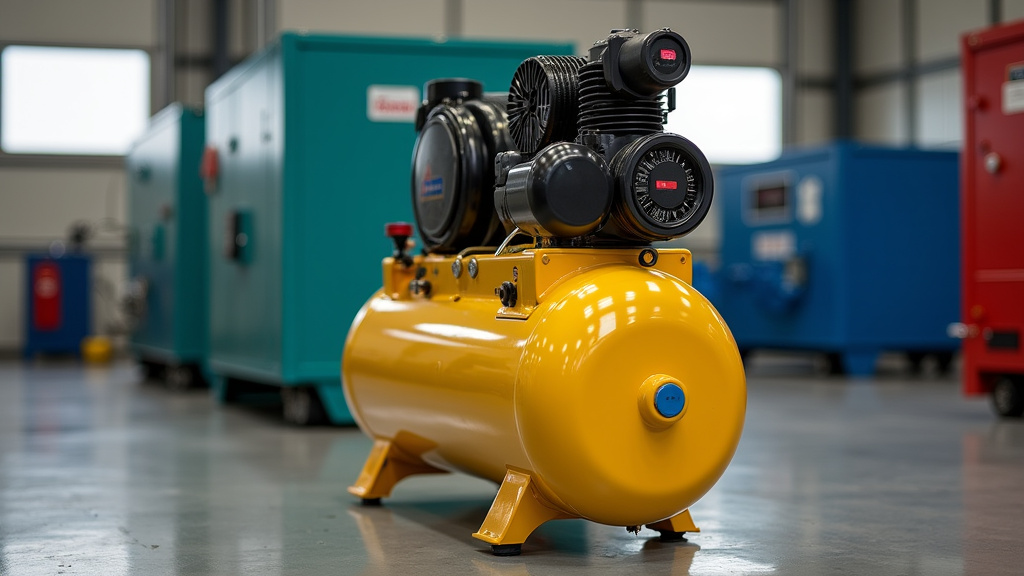
These are the workhorses of workshops, garages, and manufacturing facilities. They are large, powerful, and built for heavy, continuous use. Because of their size, power, and specialized components, they represent the highest end of the air compressor cost spectrum.
- Price Range: $1,000 – $5,000+
- Typical Features: Large tank (30-80+ gallons), 5-15+ HP motor, 12-25+ CFM at 90 PSI.
- Best For: Sandblasting, large-scale painting, industrial machinery, powering an entire shop.
You won’t typically find these in a home garage, unless you’re running a serious automotive repair business. Their cost reflects their robust construction and ability to perform under constant demand.
Additional Costs to Consider
The sticker price of the air compressor itself isn’t the only expense. To truly understand the full “how much does an air compressor cost” picture, you need to factor in accessories and upkeep. Think of it like buying a camera; you still need lenses and memory cards.
Air Tools and Hoses
Your air compressor is just the power source. You’ll need air tools to actually do the work. A basic air hose is also a must-have. These accessories add to your initial investment. We’ve compiled a brief list:
- Air Hoses: $20 – $100+ (depending on length and material)
- Nail Guns (Brad, Finish, Framing): $50 – $400
- Impact Wrenches: $70 – $500
- Spray Guns (Paint): $30 – $300
- Air Sanders/Grinders: $40 – $250
- Tire Inflator with Gauge: $15 – $50
It’s smart to budget for these items alongside the compressor itself. Many kits come with a few basic tools, but you’ll likely want more as you progress.
Maintenance and Operating Costs
Like any machine, an air compressor needs some care to perform its best and last a long time. These costs are usually minimal but are worth noting.
- Oil (for oil-lubricated models): $10-$20 per bottle, needed periodically.
- Air Filters: $5-$25, should be replaced regularly to protect the motor.
- Electricity: Larger compressors use more power. This is an ongoing operational cost that can add up over time with heavy use.
- Repairs: Less common with quality units, but components can wear out.
We found that regular, simple maintenance can significantly extend the life of your air compressor, preventing more costly repairs down the line. Many manufacturers provide detailed maintenance schedules (e.g., California Air Tools).
Making Your Air Compressor Decision
Choosing the right air compressor involves balancing your needs, budget, and future projects. Don’t just go for the cheapest option. Consider what you’ll truly use it for. Here’s a quick checklist to guide your thinking:
- What specific tools do you plan to power? (Check their CFM/PSI requirements)
- How frequently will you use the compressor? (Daily, weekly, monthly?)
- Do you need portability, or will it stay in one place?
- What’s your acceptable noise level? (Oil-free tend to be louder)
- What’s your total budget, including tools and accessories?
By answering these questions, you can narrow down your options significantly. You’ll be able to confidently choose an air compressor that meets your needs without overspending or underbuying.
| Compressor Type | Typical Price Range | Recommended Use |
|---|---|---|
| Portable (Pancake, Hot Dog) | $100 – $350 | Light DIY, Brad nailing, Tire inflation |
| Contractor (Wheelbarrow) | $350 – $1,200 | Heavy DIY, Framing, Automotive, Small shop |
| Stationary (Upright) | $1,000 – $5,000+ | Professional workshop, Industrial applications |
Conclusion
As we’ve explored, the cost of an air compressor isn’t just one number; it’s a range influenced by your specific needs. From basic DIY projects to heavy-duty professional tasks, there’s a compressor designed for you. Understanding factors like CFM, tank size, and pump type helps you make a truly informed decision. Remember to budget for essential air tools and maintenance too.
You now have the knowledge to find the perfect balance between power, portability, and price. Take some time to assess your projects, then confidently choose an air compressor that will serve you well for years to come without breaking the bank.
Frequently Asked Questions
Is a cheaper air compressor always a bad investment?
Not necessarily. For light, intermittent tasks like inflating tires or using a brad nailer, a less expensive portable model can be a great value. It really depends on your specific usage requirements and how often you plan to use it.
How much should I spend on an air compressor for general home use?
For most typical home DIY projects, you can expect to spend between $150 and $500. This range offers good quality portable and compact models suitable for various household tasks without being overkill.
Do more expensive air compressors last longer?
Generally, yes. Higher-priced professional and industrial air compressors often feature more durable components, stronger motors, and better pump types (like two-stage or oil-lubricated) that are built for longevity and continuous use.
What are the hidden costs of owning an air compressor?
Beyond the initial purchase, consider the cost of air tools, hoses, and maintenance items like oil and air filters. Electricity consumption, especially for larger units, is also an ongoing operational cost to factor in.
Can I get a good air compressor for under $100?
It’s possible to find very basic, small air compressors or inflators for under $100. However, these are usually limited to tasks like tire inflation or powering very small airbrushes and won’t be suitable for most pneumatic tools.
