
How to Wire a 220V Air Compressor?
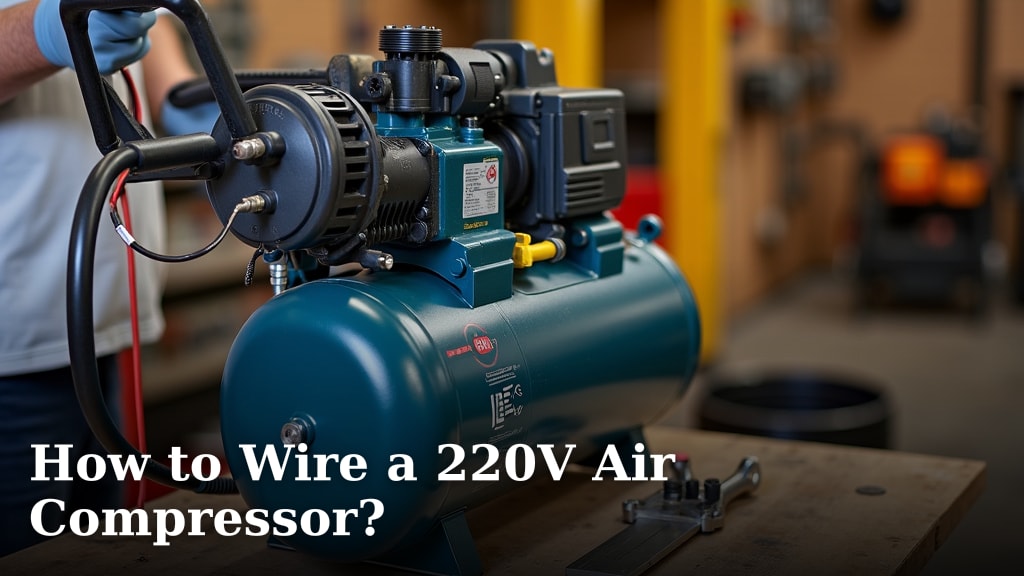
To wire a 220V air compressor, you need to connect it to a dedicated 220-240V circuit with the correct breaker and wire gauge. This usually involves running new electrical wiring and installing a specialized receptacle. Safety is incredibly important here.
Many people find residential wiring to be a bit intimidating. Getting the right voltage and amperage is critical for safety and proper operation. You’ll want to ensure all connections are secure to prevent any electrical hazards.
- Understand 220V power.
- Identify correct wire gauge and breaker size.
- Install a dedicated circuit.
- Connect the compressor safely.
- Test your installation.
Ready to get your air compressor up and running? Let’s walk through the exact steps to wire it correctly and safely.
Connecting Your 220V Air Compressor (The Right Way)
Wiring up your 220V air compressor might seem like a big job. But with the right information and a careful approach, you can do it safely and correctly. We’ll show you exactly how to do it. Think of this as your personal guide to safely powering your new tool.
Understanding Your Air Compressor’s Power Needs
First things first, you need to know what your air compressor requires. This information is usually on a label or plate directly on the unit. You’re looking for voltage and amperage. Most 220V compressors in homes are actually 240V, but the terms are often used interchangeably. Let’s call it 240V for accuracy moving forward.
Voltage and Amperage Explained
Your voltage requirement will likely be 240V. This is different from the standard 120V outlets around your home. Amperage (amps) tells you how much electrical current the compressor draws. It could be anywhere from 15 to 30 amps, sometimes even more. This number is vital for choosing the right circuit breaker and wire size.
Always consult your compressor’s manual. It’s the most reliable source for its specific electrical needs. Don’t guess here.
Safety First: Always!
Working with electricity can be very dangerous if you don’t follow strict safety rules. A shock from 240 volts can be fatal. Treat every wire as if it’s hot. Your safety is our number one priority. Never take shortcuts when dealing with electrical wiring.
- Always turn off the main power at your service panel before starting any work.
- Use a non-contact voltage tester to confirm that the circuit is dead before touching any wires.
- Wear appropriate personal protective equipment (PPE), like safety glasses and insulated gloves.
- If you’re unsure about any step, please call a licensed electrician. It’s better to be safe than sorry.
Gathering Your Materials and Tools
Before you begin, make sure you have everything you need. A quick trip to the hardware store might be in order. Having the right tools makes the job easier and safer. Don’t start until your toolbox is ready.
Essential Tools You’ll Need
- Wire strippers
- Screwdrivers (Phillips and flathead)
- Pliers (lineman’s and needle-nose)
- Continuity tester or multimeter
- Non-contact voltage tester (a must-have!)
- Electrical tape
- Utility knife
- Drill (if you need to run new wiring through walls)
Materials Required
- Appropriate gauge electrical wire (as determined by your compressor’s amps)
- Double-pole circuit breaker (matching your compressor’s amps)
- 240V receptacle (matching your compressor’s plug type, e.g., NEMA 6-20R or 6-30R)
- Appropriate electrical box for the receptacle
- Romex or other suitable electrical cable (e.g., NM-B)
- Cable staples or clamps
- Conduit (if required by local code for exposed wiring)
- Wire nuts or Wago connectors
Choosing the Right Wire Gauge and Breaker Size
This is a critical step. The wire gauge and breaker size must match your compressor’s amperage requirements. If they don’t, you risk overheating wires, tripping breakers constantly, or even electrical fires (NFPA, National Electrical Code). Too thin a wire for the current or too large a breaker can be very dangerous.
Your compressor’s amperage rating will guide you. Generally, for a dedicated 240V circuit:
| Compressor Amperage | Minimum Wire Gauge (AWG) | Circuit Breaker Size |
|---|---|---|
| 15 Amps | 14 AWG | 20 Amps (double pole) |
| 20 Amps | 12 AWG | 20 Amps (double pole) |
| 30 Amps | 10 AWG | 30 Amps (double pole) |
| 40 Amps | 8 AWG | 40 Amps (double pole) |
Always check your local electrical codes. Some areas have stricter requirements than the general guidelines. It’s always a good idea to slightly oversize the wire if you’re close to a maximum rating. This helps reduce voltage drop over longer distances too.
Installing the Dedicated 240V Circuit
Your 240V air compressor needs its own dedicated circuit. You cannot share it with other appliances. This means running new wiring from your service panel (breaker box) to where your air compressor will be located.
Running the New Wiring
Plan your route carefully. You want the straightest, shortest path possible, avoiding major obstacles. Drill holes through studs or joists where necessary. Make sure to protect the wires where they pass through framing members, often with plastic grommets or metal plates (NEC 300.4). Secure the cable every few feet with cable staples or clamps. Keep it neat and tidy.
Remember that 240V wiring typically consists of four wires: two “hot” wires (black and red), a neutral wire (white), and a ground wire (bare copper or green). Your specific compressor plug might only use two hot and a ground. Most modern 240V receptacles for compressors are NEMA 6-20R or 6-30R, which are 3-prong (two hot, one ground).
Wiring the Service Panel
This is where you’ll install the new double-pole circuit breaker. First, ensure the main power to your house is OFF. Open your service panel cover. Locate an empty slot for the new breaker. Connect the ground wire to the ground bus bar. Connect the neutral wire (if present in your cable) to the neutral bus bar. Then, connect the two hot wires (red and black) to the new double-pole breaker. Snap the breaker into place. Close the service panel cover.
This step can be intimidating. If you are uncomfortable, please reach out to a licensed electrician for help (Electrical Safety Foundation International).
Installing the 240V Receptacle
At your compressor’s location, install the electrical box. Strip about 6-8 inches of the outer sheath from your cable, and then strip about 3/4 inch from each individual wire. Connect the wires to the receptacle terminals:
- Black wire to one brass (hot) terminal.
- Red wire to the other brass (hot) terminal.
- Bare copper/green wire to the green (ground) screw.
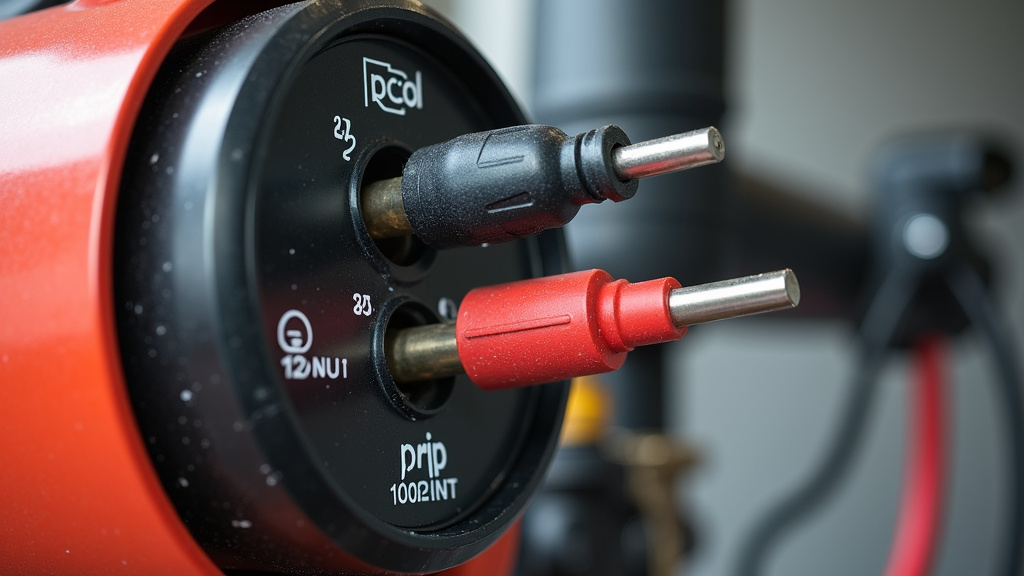
Some plugs and receptacles might have a neutral connection as well. If your compressor’s plug only has three prongs (two hot, one ground), you won’t use the neutral wire in your cable. Cap it off with a wire nut and tuck it into the back of the box. Secure the receptacle to the box and install the cover plate.
Connecting Your Compressor and Testing
With the circuit wired, you’re almost done. Make sure your compressor is in its final resting place. Ensure the plug on your compressor matches the receptacle you just installed. They should fit snugly together.
Testing the Circuit
Before plugging in your compressor, it’s a good idea to test your newly wired outlet. Turn the main power back ON. Then, turn your new 240V circuit breaker ON. Use your multimeter to test the voltage at the receptacle. You should read approximately 240V between the two hot slots. You should also read 120V between each hot slot and the ground slot. This confirms your wiring is correct and energized.
Final Connection and Compressor Test
Plug in your air compressor. Turn it on. Listen for any strange noises, and watch for any unusual behavior. The motor should start smoothly. Let it run for a bit to build pressure. Most compressors will run through an initial cycle quickly. If everything appears to be working correctly, you’ve successfully wired your 240V air compressor!
Maintenance and Ongoing Safety
Your job isn’t over once the compressor is running. Periodically check your wiring and connections. Look for signs of wear, fraying, or loose connections. Keep the area around your compressor clear of debris. Regular maintenance ensures continued safe operation.
Here’s a quick checklist to review your work:
- Is the main power off before beginning any electrical work?
- Have you identified the correct voltage and amperage for your compressor?
- Did you choose the appropriate wire gauge and breaker size for the load?
- Is the 240V receptacle the correct NEMA type for your compressor’s plug?
- Are all connections secure and properly insulated?
- Did you confirm the circuit is dead before touching wires and test it afterward?
Conclusion
Wiring a 220V air compressor is a significant project. You’ve now learned the critical steps, from understanding your compressor’s specific power needs to choosing the right components and making secure connections. Remember, safety comes first with high-voltage electricity. Double-check every detail and never rush the process.
By following these guidelines carefully, you can confidently power your air compressor for years of reliable use. If you encounter any uncertainty, prioritize your safety and consult a licensed electrician. Your peace of mind is worth it.
Frequently Asked Questions
Can I use a regular 120V outlet with an adapter for my 220V air compressor?
No, absolutely not. A 220V air compressor requires a dedicated 220-240V circuit with the correct amperage. Using an adapter on a standard 120V outlet is extremely dangerous and can damage your compressor, trip breakers, or even cause an electrical fire. Your compressor needs the correct voltage and current.
How do I know if my electrical panel can handle a new 220V circuit?
You’ll need to check your main electrical panel’s amp rating and available space. Look for empty slots for a double-pole breaker. If your panel is full or has a lower overall amp rating, you might need a panel upgrade before installing a new 220V circuit. A qualified electrician can assess your panel’s capacity.
What’s the difference between 220V and 240V, and does it matter?
For most residential applications in the US, 220V and 240V refer to the same type of electrical service. The actual voltage supplied to homes can fluctuate slightly. Your compressor is designed to operate safely within this range. The terms are often used interchangeably, so don’t worry too much about the 20-volt difference.
Is it okay to use extension cords with my 220V air compressor?
Using extension cords with 220V appliances, especially high-draw items like air compressors, is generally not recommended. If you must use one, it needs to be specifically rated for 240V, the correct amperage, and a very heavy gauge (e.g., 10 or 8 AWG) to prevent voltage drop and overheating. Shorter is always better.
What if my compressor’s plug doesn’t match the available 240V receptacles?
You should install a 240V receptacle that matches your compressor’s plug type. Never modify the compressor’s plug or use an adapter. Different plug configurations (like NEMA 6-20P vs. 6-30P) indicate different amperage ratings. Matching the receptacle to the plug ensures the circuit safely provides the correct power.
