
How to Adjust Air Compressor Regulator?
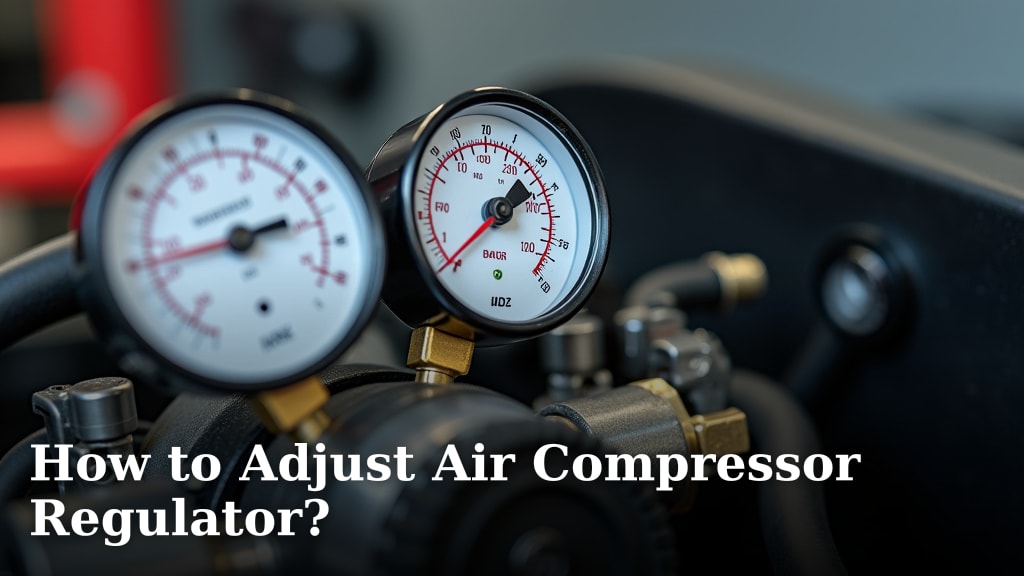
To adjust your air compressor regulator, locate the pressure adjustment knob, usually on the front of the regulator. Turn this knob clockwise to increase the pressure and counter-clockwise to decrease it. You will see the pressure gauge needle move as you make your adjustments.
Your air compressor regulator is a critical component for controlling the air pressure delivered to your tools. Setting the right pressure ensures your tools operate safely and efficiently, preventing damage to both the tool and your project. Many issues with air tools are actually just a poorly set regulator, so knowing how to adjust it is a valuable skill.
- Locate the pressure knob
- Turn clockwise to increase pressure
- Turn counter-clockwise to reduce pressure
- Check the pressure gauge
- Ensure safe tool operation
Below, we break down everything you need to know about setting your air compressor’s pressure for optimal performance. Let’s make sure you get the right pressure every time, easily.
Setting Your Air Compressor Pressure Just Right
Getting the right pressure from your air compressor is more than just turning a knob. It’s about matching the pressure to your tool’s needs. Too high, and you risk damage or accidents. Too low, and your tools won’t perform like they should. Think of it like fine-tuning a car engine; a small adjustment can make a big difference in performance and safety.
Understanding Your Air Compressor Regulator
Your air compressor system has a few key parts, and the regulator is one of the most important (Compressed Air & Gas Institute). It’s the component that controls the outgoing air pressure, independent of the tank’s stored pressure. The tank might hold 150 PSI, but your regulator lets you send 90 PSI to your nail gun. How cool is that?
Where is the Regulator Located?
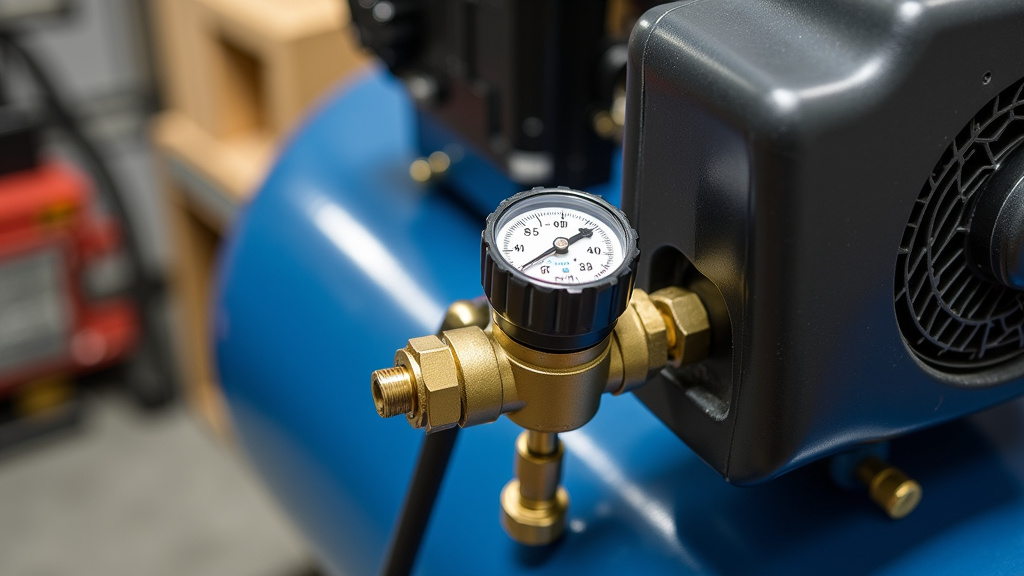
Most regulators are easy to spot. They’re usually mounted directly on the compressor, often near the air outlet. You’ll typically see a pressure gauge attached to it, displaying the regulated output pressure. Some larger shops might have a “point-of-use” regulator installed further down the line, closer to where the air tool is used. Don’t confuse it with the main tank pressure gauge; that one tells you how much air is left in the tank, not what’s going to your tool.
How Does a Regulator Work?
At its heart, a regulator is a simple device with a spring, a diaphragm, and a valve. When you adjust the knob, you’re changing the tension on that spring. This spring pushes down on a diaphragm, which in turn opens or closes a valve. It’s like a tiny, sensitive gatekeeper, ensuring only the desired amount of pressure flows through. Pretty clever engineering, right?
Preparing for Pressure Adjustment
Before you start twisting knobs, a little preparation goes a long way. This ensures both your safety and an accurate pressure setting. You wouldn’t dive into a swimming pool without checking the depth first, would you? Likewise, take a moment to set the stage for success.
Safety First: Essential Precautions
Working with compressed air requires respect. Air under pressure can be dangerous if not handled properly. Always wear safety glasses or goggles; a stray piece of debris expelled by air can cause serious eye injury (Occupational Safety and Health Administration). Never point an air nozzle at yourself or others. And always make sure all connections are secure before starting.
Gathering Your Tools and Information
What do you need for this task? Not much, thankfully! You’ll mainly need your chosen air tool and its manual. The manual will tell you the recommended operating pressure. If you don’t have the manual, look for a label on the tool itself, or check the manufacturer’s website. Knowing the target pressure beforehand saves a lot of guesswork.
The Step-by-Step Adjustment Process
Now for the main event! Adjusting your air compressor regulator is straightforward once you know the steps. Just follow along, and you’ll have your tools purring at the perfect pressure in no time. We’ve broken it down into simple, easy-to-digest steps.
Connecting Your Air Tool
First, grab the air tool you intend to use. Connect it to the air hose, and then connect the air hose to your compressor’s regulated air outlet. Make sure all connections are snug and leak-free. You might hear a small hiss if there’s a leak, which means you need to tighten something up. Think of it like connecting a garden hose – you want a tight seal to avoid spraying water everywhere, or in this case, wasting air.
Powering On the Compressor
With your tool connected, it’s time to power up your air compressor. Let it run until it reaches its maximum tank pressure and shuts off automatically. This ensures you have a full tank of air to work with while making your adjustments. You want stable tank pressure when you’re setting the regulated output.
Adjusting the Regulator Knob
Okay, here’s where the magic happens. Locate the pressure adjustment knob on your regulator. Some regulators have a knob that you pull out to unlock it, then push in to lock it again after adjusting. Others just twist. Look closely at your specific unit. Now, turn the knob clockwise to increase the pressure and counter-clockwise to decrease it. As you turn, watch the needle on the regulated pressure gauge move. You’ll see the pressure change in real-time.
Testing and Fine-Tuning
Once you’ve set the gauge to your desired pressure, it’s a good idea to test it. If you’re using a nail gun, try firing a nail into a scrap piece of wood. Is it driving the nail completely? Is it sinking it too deep? You might need to make small adjustments. It’s often an iterative process. A little more pressure here, a little less there, until it feels just right. Don’t be afraid to tweak it until you achieve optimal performance.
Common Issues and Troubleshooting
Even with careful adjustments, you might run into a few snags. Don’t worry, most common regulator problems are pretty easy to fix. We’ve seen these issues pop up frequently, and we’ve got some solutions for you.
Pressure Fluctuations and Leaks
If your regulated pressure isn’t holding steady, or if it drops quickly, you might have a leak. Check all connections for tightness. Sometimes, the regulator itself might be faulty or have a dirty internal component. A quick spray of soapy water over connections can reveal tiny bubbles, which pinpoint leaks like a treasure map shows “X marks the spot.”
Regulator Not Adjusting
What if you turn the knob and nothing happens? First, ensure the compressor is actually running and building pressure. If it is, and the regulator still won’t budge, it might be stuck or damaged. Some regulators have a locking mechanism you need to pull out before turning. A stuck regulator may need cleaning or replacement, especially if it’s an older unit. Sometimes, a gentle tap can free a sticky internal valve, but proceed with caution.
Maintaining Your Regulator for Longevity
Just like any tool, your air compressor regulator benefits from a little care. Regular maintenance helps it perform accurately and extends its lifespan. A little effort now saves you headaches and potential costs later.
Regular Cleaning and Inspection
Periodically, disconnect your regulator and give it a visual inspection. Check for any dirt, debris, or corrosion around the adjustment knob and gauges. Keep the air supply clean by occasionally draining accumulated moisture from your compressor tank. This moisture can be harmful to air tools and regulators over time. Think of it like keeping your car clean; it runs better and lasts longer.
Choosing the Right Regulator for Your Needs
Different tasks require different types of regulators. For instance, a basic household compressor might come with a simple, fixed-pressure regulator. However, for precise painting or very sensitive tools, you might want a high-flow or high-precision regulator. Consider the maximum pressure your tools need and the volume of air (CFM) they consume. Make sure your regulator can handle it. It’s about matching the right tool to the right job, including the regulator itself.
Your Air Compressor Regulator Checklist
To recap, here’s a quick checklist to ensure you’re adjusting your air compressor regulator effectively and safely:
- Always wear safety glasses or goggles.
- Locate the operating pressure recommendations for your specific air tool.
- Connect the air tool and hose securely to the regulated air outlet.
- Power on the compressor and allow it to reach full tank pressure.
- Turn the regulator knob (clockwise to increase, counter-clockwise to decrease) while monitoring the output pressure gauge.
- Test the tool’s performance and make small, fine-tuning adjustments as needed.
- Periodically inspect and clean your regulator for optimal performance and longevity.
Conclusion
You now have the knowledge to correctly adjust your air compressor regulator. This skill is essential for safety and getting the best results from your air tools. By understanding the regulator’s function and following simple steps, you ensure optimal performance. Take these principles and apply them every time you use your compressor. You’ll gain efficiency and extend the life of your equipment.
Ready to try it yourself? Go ahead and confidently fine-tune your compressor for your next project!
Frequently Asked Questions
Why is my air compressor regulator important?
Your regulator controls the working pressure sent to your tools, not just the tank pressure. This prevents damage to your tools and ensures they operate safely and effectively. It’s a key part of getting the right air flow for your specific task.
Can I use an air tool without adjusting the regulator?
While you technically can, it’s not recommended. Running a tool at too high a pressure risks damage to the tool and potential injury. Too low, and the tool won’t perform its function correctly, leading to frustration and poor results.
How do I know the correct pressure for my air tool?
Always check your air tool’s instruction manual first. It will specify the recommended operating pressure range. If you don’t have the manual, look for a label directly on the tool or visit the manufacturer’s website for details.
My regulator knob is stiff or stuck. What should I do?
First, ensure there isn’t a locking mechanism that needs to be pulled out or pushed in. If it’s still stuck, the regulator might be dirty or damaged internally. Sometimes, a gentle tap can help, but it may require cleaning or replacement if it’s an older unit.
Should I adjust the regulator while the air tool is actively running?
It’s best to adjust the regulator when the compressor has reached full tank pressure and the tool is connected but not actively in use. You make the adjustment, then test the tool. This allows for more precise setting and prevents erratic pressure spikes during operation.
