
How to Reduce Air Compressor Noise?
To reduce air compressor noise, you can use various methods like adding sound enclosures, installing mufflers, or isolating vibrations. We’ve found that a combination of these tactics often works best for a quieter workshop environment.
Is your air compressor a noisy beast? We understand how frustrating the constant hum or loud clatter can be. It can make concentration difficult and even be bad for your hearing over time. Don’t worry, there are practical steps you can take.
- Enclose your compressor
- Add sound-dampening materials
- Use a compressor muffler
- Isolate vibrations (the sneaky noise source)
- Maintain your machine regularly
You’ll be amazed at the difference a few adjustments can make. Let’s walk through how to make your air compressor much quieter, step by step.
Making Your Air Compressor Quieter
You want a peaceful workshop, and we can help you get there. Let’s dig into the best ways to quiet that noisy air compressor.
Enclosures: Your First Line of Defense
One of the most effective ways to reduce noise is to contain it. Think of an enclosure as a soundproof room for your air compressor.
Building a Compressor Enclosure
You can build a simple enclosure yourself. It doesn’t have to be fancy, just effective. We’ve found that a basic wooden box can make a big difference.
- Use dense materials like MDF or plywood for the walls. The thicker, the better.
- Line the inside with sound-absorbing foam or panels. This traps sound waves.
- Ensure there’s airflow for ventilation. Compressors generate heat, and they need to cool down. You might need to add baffled vents.
- Make sure the enclosure is larger than the compressor itself. Leave at least a few inches of space around it.
Remember, a compressor can overheat if airflow is restricted. Always prioritize proper ventilation to keep your machine operating safely.
Purchasing a Pre-Built Enclosure
If DIY isn’t your style, you can buy ready-made enclosures. These are often designed with optimal ventilation and soundproofing in mind. They can save you time and effort.
Many pre-built options also include features like access panels for easy maintenance. Look for ones specifically designed for air compressors.
Sound-Dampening Materials: Absorbing the Unwanted Noise
Once you’ve contained the sound, the next step is to absorb it. This prevents sound waves from bouncing around and escaping.
Acoustic Foam and Panels
These materials are designed to soak up sound. You can apply them directly to the inside of your enclosure walls. They come in various thicknesses and densities.
You’ll often see these in recording studios for a reason. They really work. Look for high-density options for better noise reduction.
Mass Loaded Vinyl (MLV)
MLV is a heavy, flexible material that’s excellent for blocking sound. It adds density without taking up much space. We often recommend it for its effectiveness.
You can layer MLV inside your enclosure, under your compressor, or even wrap pipes with it. It’s a versatile solution for reducing noise transmission.
Many experts suggest using MLV in conjunction with acoustic foam for the best results (Soundproofing Company).
Mufflers and Filters: Quieting the Airflow
Much of an air compressor’s noise comes from the air moving in and out of it. Addressing these points can make a big difference.
Intake Mufflers
Your compressor sucks in air, and this process can be surprisingly loud. An intake muffler, often called an air filter silencer, helps reduce this noise. It works much like a car muffler.
It’s usually an aftermarket part you can easily add. Just make sure it fits your specific compressor model.
You’ll notice a significant drop in the “whoosh” sound. This simple addition is often overlooked but very effective.
Exhaust Silencers
Similar to intake mufflers, exhaust silencers quiet the air leaving your compressor. This is especially useful for applications where air is frequently vented.
These devices allow air to escape without the sharp, sudden bursts of sound. They are typically easy to install.
Vibration Isolation: Taming the Tremors
Vibration is a sneaky source of noise. Your compressor doesn’t just make sound, it also shakes. These vibrations can travel through floors and walls, turning them into giant speakers.
Anti-Vibration Pads and Mats
Placing your compressor on anti-vibration pads or a thick rubber mat is a simple yet effective step. These absorb the vibrations before they can spread.
Look for heavy-duty rubber or cork-rubber composite mats. The thicker and denser they are, the better they’ll isolate the vibrations.
This is often one of the first things we suggest because it’s so easy to implement and provides noticeable results.
Spring Mounts and Isolation Feet
For more severe vibration issues, spring mounts or specialized isolation feet can be very helpful. These elevate the compressor and use springs or rubber to dampen movement.
They prevent direct contact between the noisy compressor and your workshop floor. This breaks the path of vibration transmission.
Relocation: Distance Makes the Workshop Quieter
Sometimes, the easiest solution is to move the problem further away. Distance is a powerful sound reducer.
Moving Your Compressor Outdoors
If feasible, operating your compressor outside is an excellent option. The noise dissipates into the open air, away from your workspace.
If you choose this, make sure to protect your compressor from the elements with a weather-resistant cover or small shed. Also, consider local noise ordinances.
Building a Dedicated Compressor Room
For a more permanent solution, create a small, separate room or closet for your compressor. This acts as a giant enclosure.
Soundproof the walls, ceiling, and door of this room. Remember to include adequate ventilation. A small window fan can circulate air effectively.
Maintenance Check: A Well-Oiled Machine is a Quieter Machine
Regular maintenance isn’t just good for your compressor’s lifespan; it can also reduce noise. Loose parts rattle, and worn components often hum louder.
| Maintenance Task | Noise Reduction Benefit |
|---|---|
| Tighten all bolts and screws | Stops rattling sounds from loose components. |
| Check for worn belts | Eliminates squealing and slapping noises. |
| Lubricate moving parts | Reduces friction noise, ensures smooth operation. |
| Replace old air filters | Improves airflow, can reduce intake noise. |
| Drain condensation regularly | Prevents internal corrosion, which can lead to noise. |
| Inspect motor bearings | Worn bearings create grinding or whining sounds. |
Upgrading Your Compressor: The Ultimate Quiet Solution
Sometimes, an old, loud compressor might just be past its prime. Newer models are often designed with noise reduction in mind.
Oil-Free vs. Oil-Lubricated Compressors
Oil-free compressors tend to be louder because they lack the dampening effect of oil. If noise is a big concern, an oil-lubricated model might be a better choice.
However, newer oil-free designs are getting much quieter. Always check the decibel rating before buying.
Decibel (dB) Ratings
When buying a new compressor, pay close attention to its dB rating. Look for models under 70 dB for a significantly quieter experience. Some are even below 50 dB.
For context, 70 dB is like a vacuum cleaner, while 50 dB is closer to a quiet refrigerator (CDC NIDCD).
Putting it All Together: A Multi-Pronged Approach
You don’t have to pick just one method. Combining several of these strategies often yields the best results. Think of it like building layers of sound protection.
Here’s a quick checklist to help you get started:
- Build or buy an enclosure for your compressor.
- Line the enclosure with sound-absorbing foam and MLV.
- Install an intake muffler and an exhaust silencer.
- Place the compressor on anti-vibration pads or a mat.
- Perform regular checks: tighten, lubricate, and replace worn parts.
- Consider relocating the compressor if possible.
Even small changes can lead to a much more tolerable noise level. You’ll likely be surprised by how much better your workshop feels.
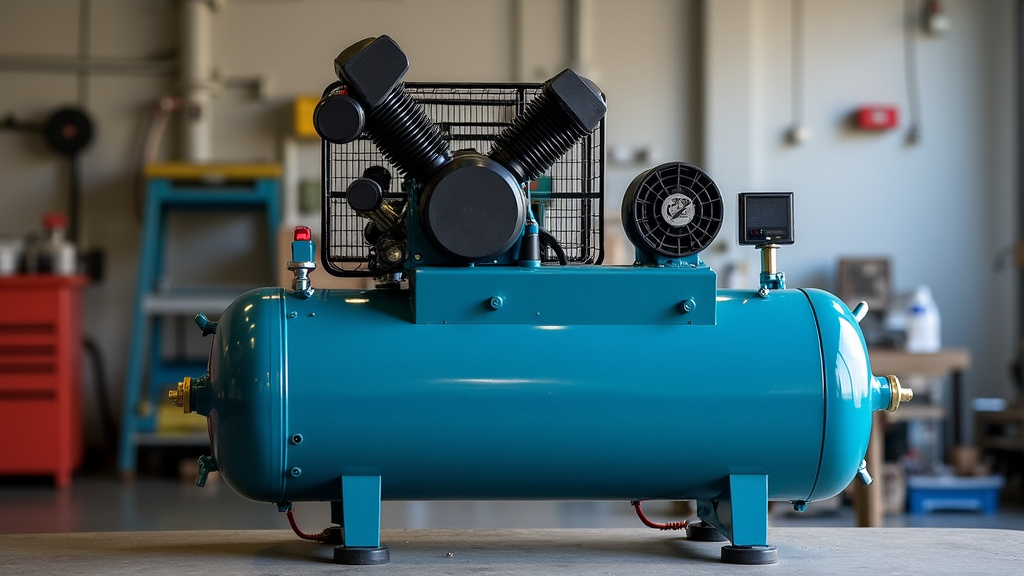
Conclusion
You now have a robust toolkit for conquering that noisy air compressor. Remember, even small changes can make a big impact on your workshop’s sound levels. We’ve seen how combining methods like enclosures, vibration isolation, and regular maintenance truly transforms a loud work environment into a peaceful one.
Your comfort and hearing health are important. Start by implementing a few of these strategies that seem most manageable for you. You’ll soon enjoy a quieter, more pleasant workspace. Take action today and experience the difference!
Frequently Asked Questions
Will making my air compressor quieter affect its performance?
Generally, no. Most noise reduction methods, especially those focusing on enclosures or vibration isolation, do not hinder performance. Ensure any enclosure has proper ventilation for cooling. Good maintenance often improves performance rather than harming it.
What is the cheapest way to reduce air compressor noise?
The most budget-friendly options often involve minimizing vibrations. Start by placing your compressor on thick rubber mats or anti-vibration pads. Tightening any loose bolts can also eliminate significant rattling noises without extra cost.
Can I use regular insulation to soundproof my compressor?
While regular insulation (like fiberglass batting) can offer some sound absorption, it’s not ideal for blocking compressor noise. It’s better to use denser materials like Mass Loaded Vinyl (MLV) for sound blocking and specialized acoustic foam for sound absorption. Regular insulation can also be a fire hazard if not properly managed around heat.
How much noise reduction can I realistically expect?
You can often achieve significant noise reduction, sometimes by 10-20 dB or more, depending on the current noise level and methods used. Combining multiple strategies, like an enclosure with sound-dampening materials and vibration isolation, yields the best results. We’ve seen workshops become dramatically quieter with these steps.
Is it always better to buy a new, quiet compressor?
Not always. While newer models are often quieter, existing compressors can be greatly improved with the methods discussed. If your compressor is still in good working order, investing in soundproofing measures is usually more cost-effective than buying a brand new unit. Consider an upgrade if your current compressor is very old or frequently breaks down.
