
Why Is My Air Compressor Overheating?
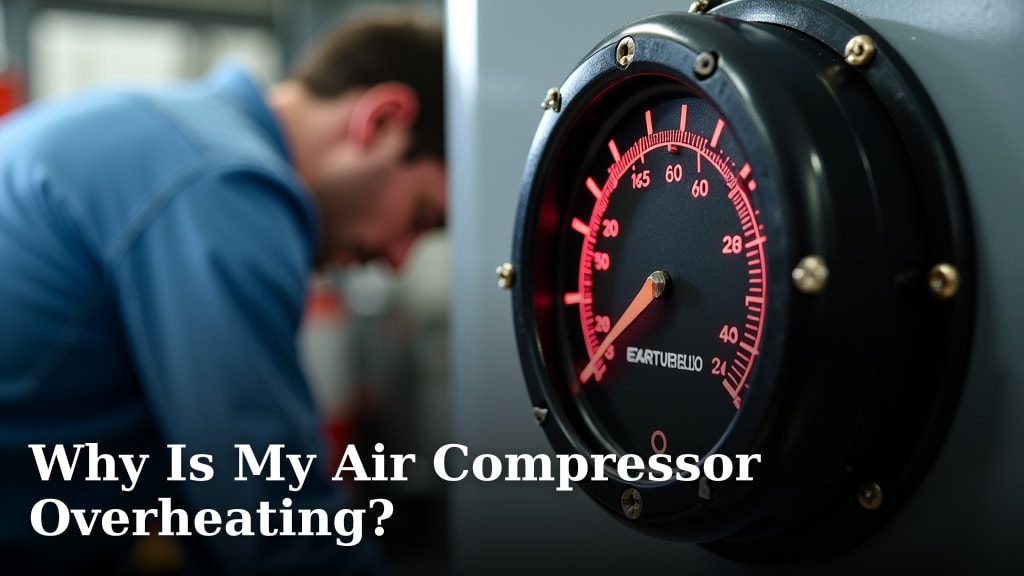
Your air compressor is overheating because of poor ventilation, low oil levels, or dirty filters. Overheating can also happen if you are overworking your machine without giving it a break.
Understanding these common problems helps you fix them quickly. An overheating air compressor can cause serious damage or even failure. We want to help you keep your equipment running smoothly and safely.
- Poor Ventilation: Blocked airflow traps heat.
- Low Oil: Lack of lubrication increases friction.
- Dirty Filters: Restricted air intake makes the motor work harder.
- Overworking: Continuous use without rest builds up heat.
- Mechanical Issues: Worn parts can generate extra heat.
Below, we break down why your air compressor might be overheating. We will show you how to identify the problem and what you can do to fix it.
Common Reasons for an Air Compressor to Overheat
An overheating air compressor is more than just an inconvenience. It can signal serious underlying issues. Let’s break down the most frequent culprits. Understanding these helps you pinpoint the problem quickly.
You want your compressor to run efficiently and safely. Knowing why it heats up too much is the first step toward a lasting fix.
Inadequate Ventilation and Airflow
Imagine running a marathon in a closed closet. You’d get hot fast, right? Your air compressor feels the same way without proper airflow. It needs to breathe. Good ventilation helps dissipate the heat generated during operation.
Blocked Air Vents or Fins
Are your air compressor’s vents clear? Dust, dirt, and debris love to collect on cooling fins. This buildup acts like an insulating blanket. It traps heat inside the machine instead of letting it escape.
- Regularly inspect the exterior of your compressor.
- Look for any visible blockages on the vents.
- Clear away dust, grime, and cobwebs with a brush or compressed air.
Poor Placement in a Confined Space
Where do you keep your air compressor? Tucking it into a small, enclosed corner might seem space-saving. However, it can starve the machine of fresh, cool air. This forces the compressor to recirculate its own hot exhaust, leading to overheating.
We found that compressors need at least 12-18 inches of clearance on all sides. This allows for ample air circulation. Think of it as giving your machine room to breathe.
Low or Incorrect Oil Levels
Oil is the lifeblood of many air compressors. It lubricates moving parts and helps dissipate heat. Without enough of it, or with the wrong kind, your compressor struggles. This can cause components to rub together, creating excessive friction and heat.
Insufficient Lubrication
When oil levels drop too low, parts don’t get the lubrication they need. This increases friction dramatically. Friction creates heat. This extra heat can quickly push your compressor past its safe operating temperature.
Always check your oil levels regularly. Most compressors have a dipstick or sight glass for easy monitoring. A common recommendation is to check it before each major use (Consumer Reports).
Using the Wrong Type of Oil
Believe it or not, not all oils are created equal. Using a generic motor oil in an air compressor designed for a specific type can be harmful. Compressor oils have special additives. These additives help them perform under pressure and high temperatures. Wrong oil might break down faster, losing its lubricating properties.
Always refer to your owner’s manual for the correct oil type. It’s designed to keep your machine running optimally.
Clogged Air Filters
Just like a stuffy nose makes it hard to breathe, a clogged air filter makes it hard for your compressor to pull in air. It has to work much harder to draw in the necessary volume of air. This extra effort translates directly into increased heat.
A restricted airflow puts strain on the motor and pump. This added stress generates heat, contributing to the overheating issue.
- Check your air filter regularly.
- If it looks dirty or discolored, it’s time for a change.
- Clean or replace it according to your manufacturer’s schedule.
Overworking the Compressor
Your air compressor needs a break sometimes. Running it continuously for long periods, especially under heavy load, can lead to overheating. It’s like asking someone to sprint for an hour straight. Eventually, they’ll burn out.
Continuous Operation Under Heavy Load
Are you running tools that demand a lot of air non-stop? This keeps the compressor motor and pump working without rest. Most compressors are designed for intermittent use, not constant operation. Pushing it too hard means it can’t cool down naturally between cycles.
We found that allowing the compressor to rest allows the components to cool down. This simple practice can extend its lifespan considerably.
Using an Undersized Compressor for the Job
Sometimes, the problem isn’t how you’re using the compressor, but the compressor itself. If your machine is too small for the demands of your tools, it will constantly run at its maximum capacity. This is like trying to carry a piano with a shopping cart. It’s just not built for the job, and it will struggle, heat up, and eventually fail.
Match your compressor’s CFM (cubic feet per minute) and tank size to the requirements of your air tools. This ensures it can handle the workload without constant strain.
Mechanical Failures and Worn Components
Sometimes the issue isn’t about maintenance or usage, but simply wear and tear. Over time, internal components can degrade. This can create friction or inefficiency, leading to overheating.
Worn Bearings or Pump Components
Inside your compressor, bearings allow parts to spin smoothly. If these bearings wear out, they create friction and generate heat. The same goes for pump components. A worn piston, cylinder, or valve can cause the pump to work harder than it should. This extra effort generates more heat.
A squealing or grinding noise often indicates worn bearings. If you hear unusual sounds, it’s a good idea to investigate.
Faulty Pressure Switch or Thermal Overload Switch
Your compressor has safety features. A pressure switch tells the motor to turn off when the tank reaches a certain pressure. A thermal overload switch shuts it down if it gets too hot. If either of these fails, the compressor might keep running past safe limits. This can lead to excessive heat buildup.
If your compressor doesn’t shut off when it should, or it constantly trips the thermal overload, these switches might be faulty. They are designed to protect your machine and you.
Troubleshooting Checklist for Overheating
When your air compressor starts running hot, don’t panic. Go through this quick checklist to identify the problem. It helps you address the issue systematically.
- Check Ventilation: Are vents clear? Is there enough space around the unit?
- Inspect Oil Levels: Is the oil at the correct level? Is it the right type?
- Examine Air Filter: Is the filter clean and free of debris?
- Review Usage: Are you overworking the compressor? Is it appropriately sized for the task?
- Listen for Unusual Noises: Are there any grinding, squealing, or knocking sounds?
- Verify Safety Switches: Does the pressure switch cut off power correctly? Does the thermal overload trip when needed?
Comparing Causes and Solutions
Let’s look at some common issues and their straightforward fixes. You might find this table helpful for quick reference.
| Problem | What You Might Observe | Common Solution |
|---|---|---|
| Poor Ventilation | Compressor in tight space, hot air blowing back at unit. | Relocate unit, ensure 12-18 inches clearance. |
| Low Oil Level | Dipstick shows low, audible grinding/squealing. | Top off with manufacturer-recommended oil. |
| Dirty Air Filter | Filter looks dark, compressor strains to build pressure. | Clean or replace the air filter. |
| Overworking Unit | Compressor runs continuously for long periods, no rest. | Allow cool-down breaks, use appropriately sized unit. |
| Worn Internal Parts | Loud grinding, knocking, or excessive vibration. | Consult technician for part replacement (e.g., bearings). |
Conclusion
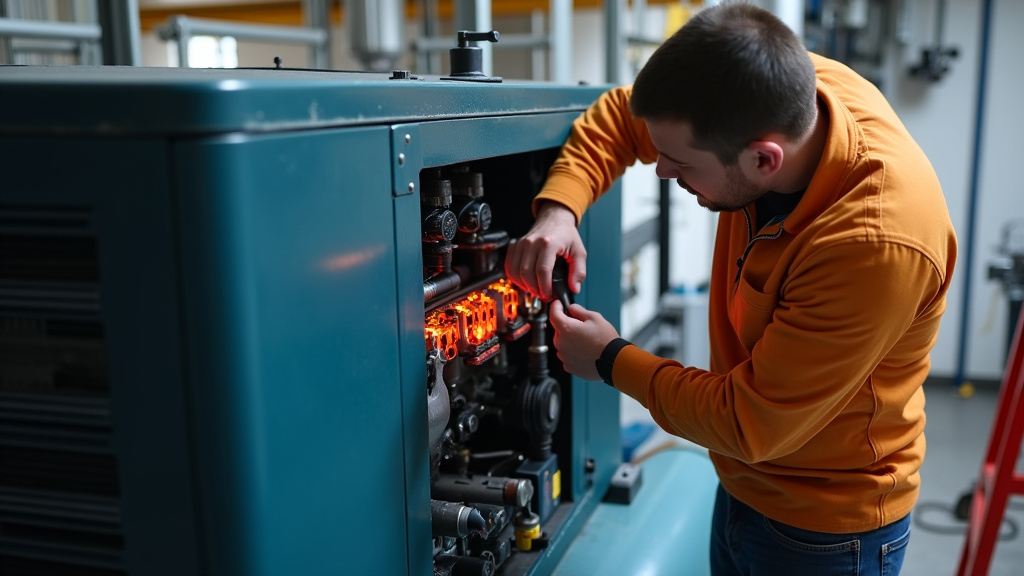
Keeping your air compressor running smoothly means understanding its needs. You’ve now learned the main reasons for overheating. From ensuring good airflow to checking your oil and filters, simple maintenance goes a long way. Paying attention to how you use your compressor is also key.
Regular checks and timely fixes prevent bigger problems. Don’t let a hot compressor turn into a broken one. Take action on these tips now to protect your investment and keep your projects on track.
Frequently Asked Questions
What’s the ideal temperature for an air compressor to run at?
Most air compressors are designed to operate efficiently within a certain temperature range. We found that typical operating temperatures for the compressed air itself range from 150°F to 250°F, depending on the compressor type. The motor and pump housing should feel warm, but not excessively hot to the touch.
Can using an extension cord cause my air compressor to overheat?
Yes, it definitely can. An undersized or excessively long extension cord can lead to a voltage drop. This forces the compressor’s motor to draw more amperage, causing it to work harder and generate extra heat. Always use a heavy-gauge, short extension cord if one is absolutely necessary, matching the compressor’s power requirements.
How often should I check my air compressor’s oil and filters?
For optimal performance, you should check your oil levels before each major use or at least weekly. Air filters often need checking monthly, or more frequently if you’re working in a dusty environment. Always follow your specific manufacturer’s recommendations in the owner’s manual for precise maintenance schedules.
My air compressor keeps tripping its thermal overload switch. What does that mean?
When your compressor’s thermal overload switch trips, it means the unit is getting too hot. This is a safety feature designed to prevent damage. It indicates that something is making the motor work excessively hard or not allowing it to cool properly. You’ll need to troubleshoot for underlying causes like poor ventilation, low oil, or an undersized unit.
Is it normal for the air coming out of my compressor to be hot?
Yes, it’s normal for the compressed air itself to be hot. The process of compressing air generates heat, which is why aftercoolers are often used to cool it down. However, the external casing of the compressor, especially around the motor or pump, should not be excessively hot. If it feels too hot to touch, that’s a sign of a problem.
