
Why Does My Air Compressor Keep Cycling on and Off?
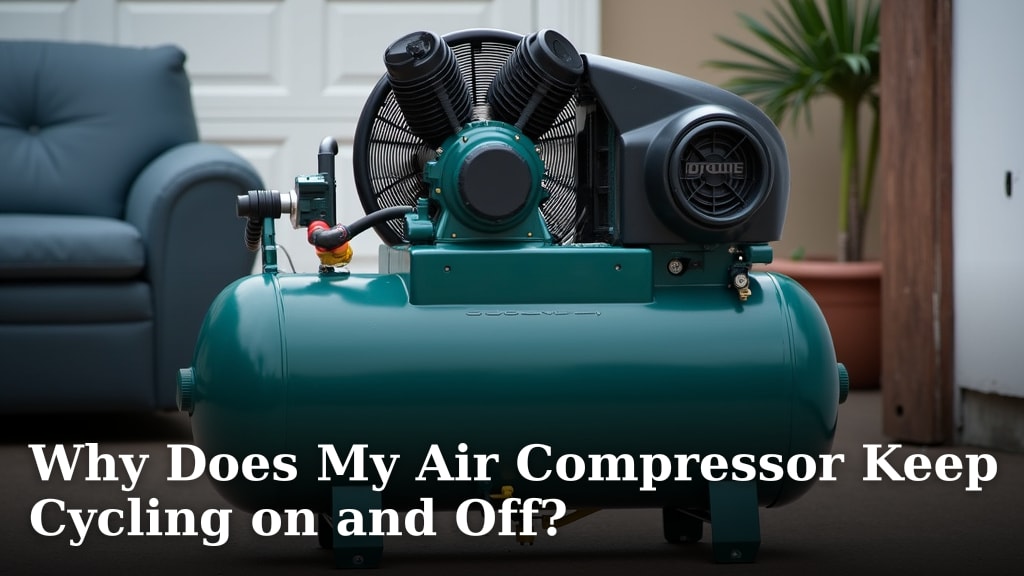
Your air compressor keeps cycling on and off because of a pressure switch issue, a leak in the air system, or an overheating motor. These problems cause the compressor to repeatedly try and maintain pressure. Understanding the cause is the first step to fixing it.
This frequent cycling, also known as short cycling, is not normal behavior for a healthy air compressor. It can lead to early wear and tear on your unit and waste electricity. We’ve found that even a small leak can significantly affect performance and shorten its lifespan.
- Compressor constantly turns on and off.
- Often due to a faulty pressure switch.
- Air leaks can also be the problem.
- Motor overheating is another key reason.
- Fixing it saves energy and extends life.
Below, we’ll walk you through the most common reasons your air compressor keeps cycling and how you can troubleshoot these issues yourself. Let’s get your compressor running smoothly again.
Why Your Air Compressor Cycles On and Off
An air compressor that constantly cycles on and off is sending you a signal. It’s telling you something isn’t right. This behavior, sometimes called “short cycling,” isn’t normal and can lead to more serious problems if ignored. Let’s break down the main reasons your compressor might be doing this.
Pressure Switch Problems
The pressure switch is like your compressor’s brain. It tells the motor when to turn on and off based on the air pressure in the tank. If this switch malfunctions, it can cause all sorts of erratic behavior, including constant cycling.
Faulty Pressure Switch
A common culprit for short cycling is a faulty pressure switch. If the switch isn’t working right, it might not accurately read the tank’s pressure. It could be telling the compressor to turn on even when the tank is full, or to turn off too soon.
Over time, pressure switches can wear out. The internal contacts can get dirty or corroded. This can lead to intermittent connections. Think of it like a light switch that sometimes works and sometimes doesn’t. We’ve found that this is often the first place to check.
Incorrect Pressure Settings
Sometimes, the problem isn’t a broken switch but incorrect settings. Your pressure switch has “cut-in” and “cut-out” points. The cut-in pressure is when the compressor starts, and the cut-out pressure is when it stops. If these are set too close together, the compressor will cycle frequently. This is like setting your thermostat to turn on at 70 degrees and off at 71 degrees; it will run almost constantly.
We recommend checking your compressor’s manual for the recommended pressure differential. Adjusting these settings might solve the issue quickly. Often, a small adjustment can make a big difference.
Air Leaks in the System
Imagine trying to fill a bucket with water, but the bucket has a hole. No matter how much water you pour in, it keeps leaking out. That’s what happens when your air compressor has a leak. The compressor works harder and cycles more often to try and keep the tank full.
Pinpointing Leaks in Hoses and Fittings
Air leaks are surprisingly common. They can happen in the most unexpected places. Hoses, connections, and quick-connect fittings are prime suspects. A small crack in a hose or a loose fitting can cause a steady loss of air. This makes your compressor work overtime to maintain pressure.
To find these leaks, you can use the soapy water test. Mix some dish soap with water in a spray bottle. Spray it on all potential leak points: hoses, connections, valves, and even the tank welds. Bubbles will appear where air is escaping. It’s a simple, yet very effective method. We found that many users solve their cycling problems this way.
Leaky Drain Valve or Check Valve Issues
Don’t forget the drain valve at the bottom of the tank. This valve is used to release moisture, but if it doesn’t close properly, it can leak air. Another critical component is the check valve. This valve prevents air from flowing back out of the tank into the pump when the compressor is off.
If the check valve is faulty, air will seep back into the pump, causing a pressure drop. The compressor will then turn on again to refill the tank, even if no air has been used. Many experts say that a sticky or worn check valve is a very common cause of short cycling (Compressed Air Best Practices Magazine).
Motor Overheating or Electrical Problems
Your compressor’s motor is designed to work hard, but it also has limits. When it gets too hot, it can trigger safety mechanisms that cause the compressor to shut down. This can lead to frequent cycling as it cools and restarts.
Overheating Motor Protection
Air compressors come with thermal overload protectors. These are safety devices that shut off the motor if it gets too hot. This prevents serious damage. If your compressor is cycling on and off and the motor feels very hot, overheating is likely the cause.
Overheating can be caused by a few things. Poor ventilation is a big one. Make sure your compressor has plenty of space around it for air to circulate. Dirty cooling fins on the motor can also trap heat. We suggest cleaning these regularly. Also, consider if you’re asking too much of your compressor, forcing it to run continuously without a break.
Voltage Issues or Worn Components
Electrical problems can also cause the motor to cycle erratically. Low voltage can make the motor work harder, generating more heat. It might struggle to start or maintain speed. This can trip the thermal overload. Always ensure your compressor is connected to an appropriate power supply.
Worn out motor components, like bearings, can also cause the motor to draw too much current and overheat. If you hear unusual noises from the motor, like grinding or squealing, it could be a sign of internal wear. These are harder to fix yourself and might require professional help.
Other Possible Causes for Short Cycling
While pressure switch issues, leaks, and motor problems cover most cases, a few other things can make your compressor cycle unnecessarily.
Small Tank Size or High Air Demand
If you’re using a compressor with a small tank for a task that requires a lot of continuous air, it will naturally cycle more often. The tank simply can’t hold enough air to keep up with the demand. This isn’t necessarily a “problem” with the compressor, but rather a mismatch between the tool and the job.
If you constantly find your small compressor struggling with an air-hungry tool, you might need a compressor with a larger tank or a higher Cubic Feet per Minute (CFM) rating. This ensures it can keep up without constantly turning on and off.
Clogged Air Filter
A dirty or clogged air filter restricts airflow into the compressor pump. This makes the pump work harder to draw in air, reducing its efficiency. A harder working pump can lead to increased heat and more frequent cycling.
Think of it like trying to breathe through a stuffy nose. Your body works harder. Regularly checking and cleaning or replacing your air filter is an easy maintenance step that can prevent this. It’s often overlooked, but it’s crucial for efficient operation.
Troubleshooting Checklist for Cycling Issues
Here’s a quick checklist to help you diagnose the problem:
-
Check the pressure switch settings (cut-in/cut-out).
-
Perform the soapy water test for leaks on all fittings and hoses.
-
Inspect and clean the drain valve and check valve.
-
Feel the motor for excessive heat; ensure proper ventilation.
-
Verify power supply and extension cord are adequate.
-
Inspect and clean or replace the air intake filter.
By systematically going through these steps, you can often identify the root cause of your compressor’s short cycling. Remember, addressing these issues early can save you from bigger, more expensive repairs down the line. Your compressor works hard for you, so give it the attention it deserves!
Conclusion
When your air compressor starts cycling on and off, it’s not just an annoyance; it’s a clear signal that something needs attention. We’ve walked through the primary culprits: a temperamental pressure switch, sneaky air leaks, or an overheating motor. Ignoring these signs can lead to bigger problems and costlier repairs down the line.
By systematically checking for leaks, verifying your pressure switch settings, and ensuring good ventilation, you can often diagnose and fix these issues yourself. Taking a few moments to address these problems will keep your compressor running efficiently, save you money on electricity, and significantly extend its lifespan. Get in there and give your compressor the care it deserves!
Frequently Asked Questions
Is it bad for an air compressor to cycle frequently?
Yes, frequent cycling, also known as short cycling, is generally bad for an air compressor. It causes excessive wear and tear on the motor and components, leading to premature failure. It also uses more electricity than necessary.
How often should an air compressor cycle normally?
A healthy air compressor should only cycle on when pressure drops significantly, typically from air use. It should then run until it reaches its cut-out pressure. The frequency depends entirely on how much air you’re using, but constant on-and-off is not normal.
Can a dirty air filter cause short cycling?
Absolutely. A dirty or clogged air filter restricts airflow into the pump. This forces the motor to work harder, generating more heat and reducing overall efficiency, which can contribute to more frequent cycling as it struggles to build pressure.
How can I tell if my pressure switch is bad?
You can suspect a bad pressure switch if the compressor cycles without any air demand, or if it fails to turn on or off at the correct pressures. You might also notice physical damage or corrosion on the switch itself. Testing with a multimeter can confirm electrical issues.
What if I can’t find a leak with the soapy water test?
If the soapy water test doesn’t reveal any leaks, consider checking internal components like the check valve or tank drain valve, as these can leak internally. Sometimes, very small leaks might be hard to see with soap and water, so listen closely for a faint hiss. If all else fails, a professional might be needed.
