
What Is a Pancake Air Compressor?
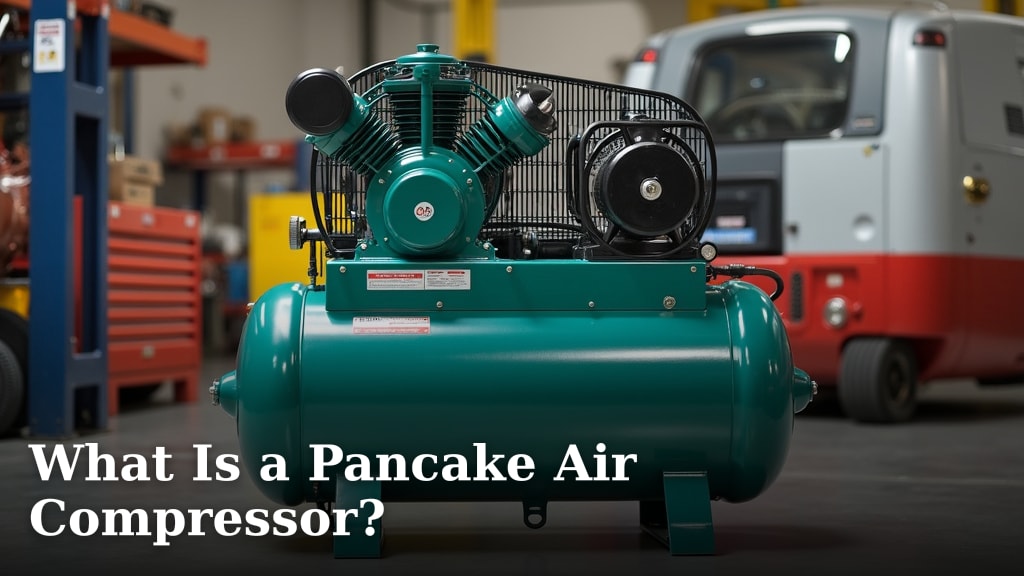
A pancake air compressor is a portable air compressor with a flat, round tank that resembles a pancake. This compact design makes it easy to move and store, perfect for many home and DIY projects. It’s designed to provide compressed air for various tools.
You’ll often find these compressors used for tasks like nailing, stapling, and inflating. They typically offer enough power for light to medium-duty jobs around your home or workshop. Many homeowners choose them for their convenience and affordability.
- A pancake air compressor has a distinct flat, round tank.
- It’s super portable and easy to store.
- Great for home projects like nailing and inflating.
- Offers enough power for light to medium tasks.
Ready to learn more about this handy tool? Let’s dive into all the details and see if a pancake air compressor is right for you.
Understanding Your Pancake Air Compressor
A pancake air compressor is more than just a tool; it’s a trusty sidekick for many home improvement projects. You’ll find it offers a great balance of power and portability.
Its unique design makes it a favorite among DIY enthusiasts. Let’s break down what makes these compressors tick and why they might be perfect for you.
How a Pancake Air Compressor Works
Have you ever wondered what’s happening inside that round, flat tank? It’s simpler than you might think. We found that these compressors use an electric motor to power a pump.
This pump draws in air from the surrounding environment. It then compresses this air and stores it under pressure in the tank. Think of it like blowing up a balloon, but much more powerful.
When you attach an air tool, the compressed air is released from the tank, flowing through a hose to power your tool. It’s a continuous cycle as the compressor kicks on again when the pressure drops.
Key Components You’ll Find
Getting familiar with the parts of your compressor helps you understand its capabilities. Each component plays a vital role in its operation.
- Motor: This is the heart that drives the pump. Most pancake compressors use an electric motor.
- Pump: The pump compresses the air. It’s usually oil-free in these smaller units, meaning less maintenance for you.
- Tank: The “pancake” part! This stores the compressed air. Its flat, round shape helps keep the unit stable and compact.
- Pressure Gauge: You’ll see this display the air pressure inside the tank. It helps you monitor how much air you have.
- Regulator: This lets you adjust the air pressure sent to your tools. Different tools need different pressure levels.
- Coupler: This is where you connect your air hose. It’s often a quick-connect style for easy attachment.
- Drain Valve: Found at the bottom of the tank, this valve lets you remove moisture. Draining water regularly is key for compressor longevity.
Comparing Oiled vs. Oil-Free Pumps
Most pancake compressors feature oil-free pumps. This is a big plus for many homeowners.
An oil-free pump doesn’t need oil for lubrication. This means you don’t have to check or change oil. It also produces cleaner air, which is good for painting applications.
On the other hand, oiled pumps, common in larger compressors, run cooler and tend to be more durable for heavy-duty, continuous use. But for home projects, oil-free is usually just fine.
What Can You Do with a Pancake Air Compressor?
These compact machines might be small, but they pack enough punch for a surprising number of tasks around your home. We’ve found they’re incredibly versatile for the average DIYer.
Don’t let their size fool you. A pancake air compressor can be a real workhorse for light to medium jobs.
Common Applications Around the Home
Think about all those times you wished you had a little extra power. A pancake compressor can often provide it.
- Nailing and Stapling: This is where pancake compressors truly shine. They power finish nailers, brad nailers, and staplers for trim work, upholstery, or crafting.
- Tire Inflation: From car tires to bicycle tires, and even sports equipment, inflating with a compressor is quick and easy.
- Dusting and Cleaning: Connect an air blow gun, and you can quickly clear sawdust from your workbench or dirt from small crevices.
- Light Painting: For small projects like crafts or touch-ups, an air compressor can power a spray gun for an even finish.
Powering Your Air Tools
Knowing which tools pair well with your pancake compressor is essential. It’s all about matching the tool’s air requirements to the compressor’s output.
Most smaller air tools, like those mentioned above, operate well with the air volume and pressure a pancake compressor provides. If a tool needs continuous high airflow, you might need a larger compressor. Many experts say to check the tool’s CFM (Cubic Feet per Minute) rating against your compressor’s output (Air Compressor Guide).
When a Pancake Compressor Might Not Be Enough
While great for many tasks, there are limits to what a pancake compressor can handle. It’s important to be realistic about its capabilities.
If you’re planning continuous, heavy-duty tasks, you might find it struggles. For instance, running an impact wrench for long periods or sandblasting are usually too much.
These bigger jobs demand higher CFM and larger tanks that pancake compressors simply don’t offer. You’d need a larger, stationary compressor for those kinds of projects.
Choosing the Right Pancake Compressor for You
Ready to make a choice? Picking the best pancake air compressor involves thinking about your needs and what’s available. We’ll help you navigate the key factors.
Consider these points before you buy. You want a compressor that truly fits your projects.
What to Look for in a Model
We found that a few specifications really stand out when comparing different models. Pay attention to these details.
| Feature | Why It Matters to You | Good Starting Point |
|---|---|---|
| Tank Size (Gallons) | Larger tanks hold more air, meaning fewer cycles for the compressor. | 2-6 gallons is typical for pancake models. |
| CFM @ 90 PSI | Cubic Feet per Minute at 90 Pounds per Square Inch. This tells you how much air the compressor delivers at a common tool pressure. Match this to your tools! | 2.0 – 3.0 CFM is good for most home nailing/inflating. |
| PSI (Max Pressure) | The maximum pressure the tank can hold. Higher PSI often means more stored air, even in a smaller tank. | 120-150 PSI is common and sufficient. |
| Horsepower (HP) | Indicates the motor’s power. It gives a rough idea of how quickly the compressor can build pressure. | 0.5 – 1.5 HP is standard for pancake units. |
| Noise Level (dB) | Compressors can be loud! Check the decibel rating if you’ll be working indoors or in a quiet neighborhood. | 70-80 dB is typical, but some “quiet” models are available. |
Essential Accessories to Consider
Your compressor is just the start! You’ll need a few accessories to make it truly useful. Think of these as its supporting cast.
- Air Hose: A flexible hose to connect your tools. Look for a durable, kink-resistant one.
- Air Tools: Brad nailers, tire inflators, blow guns, and staplers are common first purchases.
- Couplers and Plugs: These allow you to quickly connect and disconnect tools to your hose.
- Air Filter/Regulator: While many compressors have a regulator, an additional filter can extend tool life by preventing moisture and debris from reaching them.
- Safety Glasses: Always protect your eyes when working with compressed air and power tools.
Tips for Operating and Maintaining Your Compressor
To keep your pancake compressor running smoothly for years, a little care goes a long way. You’ll find these tips help ensure its longevity and reliable performance.
Proper operation and simple maintenance steps are crucial. It’s easier than you might think!
Safety First!
Working with compressed air requires respect for the tool. We always recommend reviewing your owner’s manual for specific safety instructions.
Always wear eye protection. Compressed air can propel debris at high speeds. Never point an air nozzle at yourself or others. And ensure your work area is well-ventilated, especially when painting (OSHA guidelines).
Simple Maintenance Checklist
Keeping your compressor in top shape doesn’t take much effort. Just follow these quick steps:
- Drain the Tank: Do this after every use. Open the drain valve at the bottom of the tank to release moisture. This prevents rust inside the tank.
- Clean the Air Filter: Check your air intake filter regularly. A dirty filter can reduce efficiency. Clean or replace it as your manual suggests.
- Check for Leaks: Listen for hissing sounds. Air leaks can reduce performance. You can also spray soapy water on connections to spot bubbles.
- Inspect the Hose: Look for cracks, cuts, or weak spots in your air hose. Replace damaged hoses immediately.
- Store Properly: Keep your compressor in a dry, clean place. This helps protect it from environmental damage.
Conclusion
As you can see, a pancake air compressor offers a fantastic blend of portability and power for your home projects. It’s an accessible tool that simplifies tasks like nailing, inflating, and cleaning. By understanding its components and knowing its limits, you can make the most of this versatile machine.
Remember to prioritize safety and perform basic maintenance for lasting performance. With the right accessories and a little care, your pancake air compressor will be a reliable partner for many DIY adventures. Go ahead, tackle those projects with confidence!
Frequently Asked Questions
How loud is a typical pancake air compressor?
Most pancake air compressors operate in the 70-80 decibel range. We found some models are designed to be quieter, which is helpful if you’re working indoors or in a residential area. Always check the decibel rating before you buy.
Can I use a pancake air compressor for automotive work?
For light automotive tasks like inflating tires or blowing out small areas, yes, a pancake compressor works well. However, for continuous use of impact wrenches or larger automotive tools, you’ll need a compressor with a higher CFM and a larger tank.
What is the main benefit of an oil-free pump in these compressors?
The biggest benefit of an oil-free pump is reduced maintenance. You don’t need to check or change oil, which saves you time and effort. It also produces cleaner air, which is a plus for delicate projects like painting.
How often should I drain the tank on my pancake air compressor?
You should drain the tank after every use. We learned that this simple step prevents moisture buildup, which can cause rust and shorten your compressor’s lifespan. It only takes a minute but makes a big difference.
Can a pancake air compressor run all air tools?
No, a pancake air compressor cannot run all air tools. It’s best suited for tools with lower CFM requirements, such as brad nailers, staplers, and tire inflators. Larger tools like grinders or sanders require a more powerful compressor with a bigger tank.
