
What Is the Best Air Compressor for Off Road Tire Airing Down?
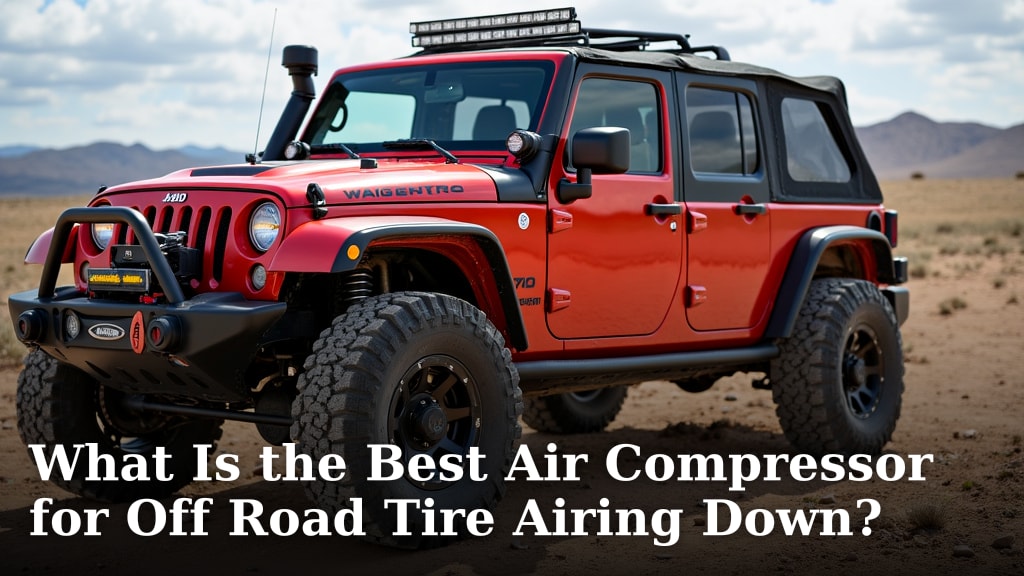
The best air compressor for off-road tire airing down is typically a portable 12V DC unit with a high CFM (cubic feet per minute) rating, allowing for quick and efficient inflation on the trail. We found that compressors designed for heavy-duty use, often with dual cylinders, offer the necessary power and durability for regular off-road adventures.
When you’re out exploring, having the right gear makes all the difference, right? You need an air compressor that can handle the grit and grime of off-road conditions, not just a wimpy pump for your bicycle. We’ve all been there: tires aired down for traction, then needing to get back to pavement pressures quickly. A powerful and reliable off-road air compressor is an essential tool, making sure you don’t get stuck or have to wait around forever.
- Powerful 12V DC is key for portability.
- Look for a high CFM rating for fast inflation.
- Durability matters for tough off-road use.
- Dual cylinder models often offer more power.
Let’s walk through everything you need to know to pick the perfect air compressor for your off-road rig.
Choosing the Right Air Compressor for Off-Road Tire Inflation
Selecting the ideal air compressor for your off-road adventures is about balancing power, portability, and durability. You’re looking for a reliable tool that makes airing up a breeze.
We found that the best models combine high airflow with robust construction, ensuring they stand up to harsh conditions.
Understanding Compressor Specs: CFM and PSI
When you’re comparing air compressors, two terms will pop up constantly: CFM and PSI. These aren’t just technical jargon; they tell you a lot about a compressor’s performance.
What is CFM? (Cubic Feet per Minute)
CFM measures how much air a compressor can deliver in one minute. For off-road tire inflation, CFM is your most important metric. A higher CFM means your tires will inflate faster. Imagine waiting forever for a single tire to air up – not fun, right?
For large off-road tires, like those on a Jeep or truck, we found that you’ll want a compressor with at least 2.5 to 3 CFM at 0 PSI (when it’s delivering air freely, without pressure). If you can get 5 CFM or more, you’ll be airing up even faster.
What is PSI? (Pounds per Square Inch)
PSI measures the maximum pressure a compressor can produce. Most off-road vehicle tires require around 30-40 PSI for road driving. So, you’ll need a compressor that can easily reach and maintain that pressure.
Almost all portable 12V compressors can reach 100-150 PSI, which is more than enough for your vehicle’s tires. While important, PSI is often less of a concern than CFM for off-road tire inflation, as most units exceed the necessary pressure for typical tire sizes.
Power Source: 12V DC is Your Best Friend
For off-road use, you need a compressor that can run off your vehicle’s power. That means a 12V DC unit.
These compressors typically connect to your car’s battery via alligator clamps. Some smaller units might plug into a 12V cigarette lighter outlet, but these are often less powerful and not recommended for larger off-road tires.
Always connect directly to your battery for optimal performance and to avoid overloading your vehicle’s electrical system (National Automotive Service Task Force).
Single vs. Dual Cylinder Compressors
When you look at different models, you’ll notice some have one cylinder and some have two. What’s the difference for you?
Single Cylinder
These are often more compact and lighter. They’re good for occasional use or for topping off smaller tires. They tend to be less expensive.
However, they generally have lower CFM ratings. This means they take longer to inflate your tires, which can feel like an eternity when you’re ready to hit the road.
Dual Cylinder
Dual cylinder compressors are exactly what they sound like: they have two pistons working in tandem. This means they can move a lot more air, much faster.
We found that dual cylinder units are often the preferred choice for serious off-roaders. They air up tires significantly quicker, especially larger 33-inch or 35-inch tires. They are typically more expensive and heavier, but the speed and efficiency often outweigh the extra cost and weight for frequent users.
Key Features to Look For in an Off-Road Compressor
Beyond CFM and power source, several other features make a big difference in how well an air compressor performs on the trail.
- Heavy-Duty Construction: Your compressor needs to withstand dust, dirt, and bumps. Look for metal components, robust housings, and quality connections.
- Thermal Overload Protection: Air compressors can get hot during prolonged use. This feature automatically shuts off the unit if it overheats, preventing damage.
- Integrated Pressure Gauge: An accurate gauge is a must. Many units have one built-in, but carrying a separate, reliable gauge is also a good idea for double-checking.
- Long Air Hose: You don’t want to be constantly repositioning your vehicle. A hose long enough to reach all four tires from a single connection point (usually 20-25 feet) is incredibly convenient.
- Deflation Feature: Some compressors include a valve or button to quickly deflate tires. While not essential (you can use a stick or rock), it’s a nice bonus.
- Storage Bag/Case: A durable bag helps keep your compressor and accessories organized and protected in your vehicle.
Comparing Top Compressor Types
Let’s look at a quick comparison to help you visualize the trade-offs.
| Feature | Portable 12V DC (Single Cylinder) | Portable 12V DC (Dual Cylinder) | Built-In/On-Board System |
|---|---|---|---|
| CFM Rating | Lower (1.5-3 CFM) | Higher (3-6+ CFM) | Highest (3-10+ CFM) |
| Inflation Speed | Slow to Moderate | Fast | Very Fast |
| Portability | Very High | High | Low (Fixed to Vehicle) |
| Cost | Low to Moderate | Moderate to High | High |
| Durability | Good | Very Good | Excellent |
| Ease of Use | Simple hook-up | Simple hook-up | Often involves plumbing/wiring |
On-Board Air Systems: Are They Right For You?
While this post focuses on portable units, it’s worth mentioning on-board air systems. These are permanently mounted compressors, often with an air tank, built into your vehicle.
They offer the ultimate convenience and speed. You just flip a switch and connect your hose. Many also power air lockers or air tools. However, they are significantly more expensive, require professional installation, and add permanent weight to your rig.
For most recreational off-roaders, a high-quality portable 12V DC dual-cylinder compressor offers the best balance of performance, cost, and ease of use.
Maintenance and Care for Your Compressor
Just like any piece of essential gear, your air compressor needs a little love to keep it running smoothly.
After each use, make sure to wipe it down, especially if it’s covered in mud or dust. Check the air filter periodically and clean or replace it as needed. Store it in a dry place, preferably in its carrying case, away from extreme temperatures. Following these simple steps will extend its life and ensure it’s ready for your next adventure.
Your Off-Road Air Compressor Checklist
Ready to make a choice? Here’s a quick checklist to guide your decision:
- High CFM (at least 2.5-3 CFM at 0 PSI): For quick tire inflation.
- 12V DC Power Source: Connects directly to your vehicle’s battery.
- Durable Construction: Built to handle tough off-road conditions.
- Thermal Overload Protection: Prevents damage from overheating.
- Long Air Hose (20-25 feet): Reaches all tires easily.
- Accurate Pressure Gauge: To ensure correct tire pressure.
Conclusion
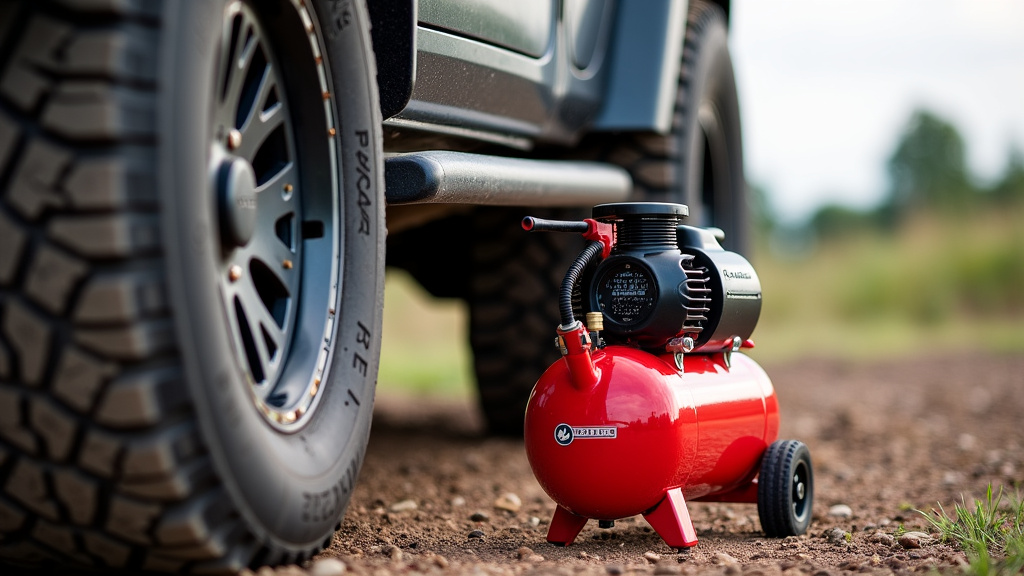
Choosing the best air compressor for your off-road adventures boils down to prioritizing speed, durability, and convenience. You’ve seen that a portable 12V DC dual-cylinder compressor with a high CFM rating offers the ideal blend for most recreational off-roaders.
This setup ensures quick tire inflation, letting you get back on the trail or pavement faster. Investing in a robust unit with proper maintenance will guarantee it’s a reliable companion for years of exploring.
So, take your time, consider your specific needs, and equip your rig with the air compressor that best prepares you for any terrain.
Frequently Asked Questions
How long does it take to air up tires with a good off-road compressor?
With a high-CFM dual-cylinder compressor, you can typically air up a single 33-inch to 35-inch off-road tire from 10 PSI to 30-35 PSI in about 2-4 minutes. This speed can vary based on the compressor’s specific CFM and tire size.
Can I use a regular garage air compressor for off-road airing down?
While a regular garage compressor can technically inflate tires, most are not designed for portability or the demanding conditions of off-road use. They are usually AC-powered, heavy, and lack the robust construction needed for dusty trail environments.
Is a built-in air compressor system worth the extra cost?
For serious overlanders or those who need air for lockers and air tools, a built-in system offers ultimate convenience and performance. However, for most weekend warriors, a high-quality portable 12V unit provides excellent value and performance without the high cost and complex installation.
How often should I check my compressor’s air filter?
You should visually inspect your compressor’s air filter after every few uses, especially if you’ve been in dusty conditions. Clean or replace it promptly if you notice excessive dirt or debris. A clogged filter can reduce compressor efficiency and lifespan.
What’s the ideal length for an air hose on an off-road compressor?
We found that an air hose of 20-25 feet is ideal. This length allows you to easily reach all four tires on most vehicles from a single connection point to your battery, avoiding the hassle of repositioning your compressor.
