
Why Do Air Compressors Need Moisture Filters?
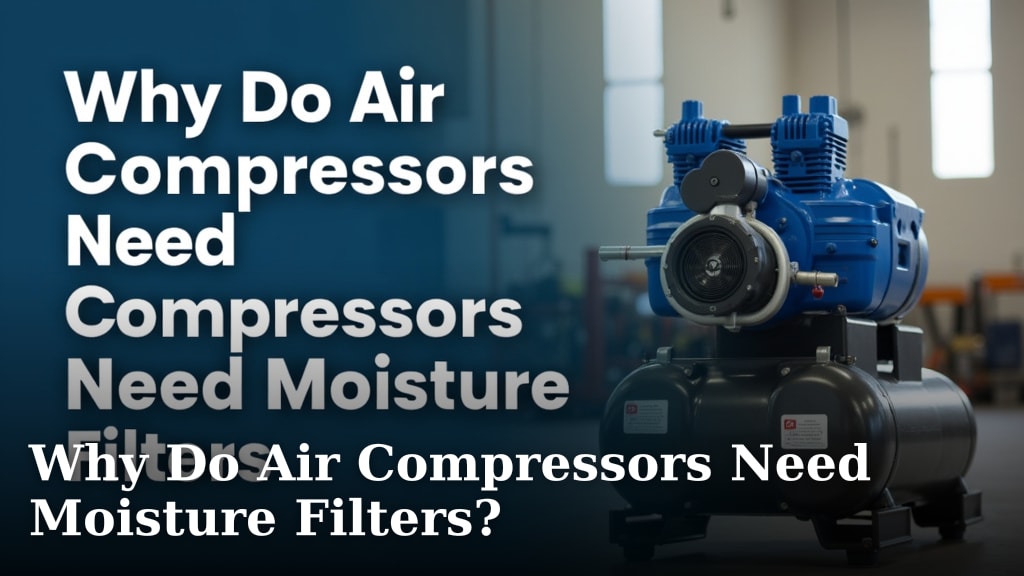
Air compressors need moisture filters because water can cause serious damage to your tools and equipment. Without a filter, moisture in the air condenses inside the compressor. This can lead to rust and costly repairs down the road.
You see, compressed air contains invisible water vapor. As this air cools, the vapor turns into liquid water. This liquid can then enter your air lines, causing performance issues and equipment failure. A good filter is your first line of defense.
- Water damages air tools.
- Moisture causes rust inside your compressor.
- Filters prevent condensation in air lines.
- Clean, dry air ensures better tool performance.
Let’s dive in and walk through exactly why these filters are so important for your air compressor setup.
Why Air Compressors Require Moisture Management
Air compressors absolutely need moisture management. Without it, you’re looking at potential damage, reduced efficiency, and costly repairs down the line.
The Hidden Enemy: Condensation and Your Compressor
You might think compressed air is just, well, air. But it’s not. The air around us always contains some level of water vapor. When your compressor sucks in this air, it also sucks in that moisture.
As the compressor squeezes the air, it gets hot. Then, as this hot, compressed air moves through your system, it starts to cool down. And here’s the problem: cold air can’t hold as much moisture as hot air.
What happens then? The water vapor condenses. It turns into liquid water, right inside your air lines and tools. Think of a cold drink on a hot day – that’s condensation, just happening inside your equipment.
The Science Behind the Moisture
This process is governed by something called the dew point. It’s the temperature at which air becomes saturated with water vapor and moisture begins to condense. The higher the pressure in your system, the higher this dew point becomes. This means more water will drop out of the air.
Serious Damage: What Water Does to Your Tools
So, you have liquid water in your compressed air system. Why is that such a big deal? It causes a lot of trouble for your tools and your compressor itself.
Rust and Corrosion
Water is a primary ingredient for rust. When water sits inside metal components – like your air compressor’s tank, internal parts, or your expensive pneumatic tools – it starts to corrode the metal. This can weaken parts and lead to breakdowns.
Imagine your favorite wrench left out in the rain. That’s essentially what’s happening inside your tools, but often unseen until it’s too late.
Lubrication Washout
Many air tools rely on internal lubricants to operate smoothly. Water can mix with or displace these lubricants. When lubrication is washed away, parts grind against each other, causing excessive wear and tear (Cleveland Clinic).
This leads to premature failure of your tools. You’ll find yourself replacing expensive equipment much more often than you should.
Reduced Tool Performance
Even before tools completely fail, water can significantly impact their performance. Air motors might slow down, impact wrenches might lose their power, and paint guns can sputter, leaving an uneven finish.
This isn’t just annoying; it means your projects take longer, and the quality of your work can suffer. You’re not getting the most out of your investment.
Protecting Your Investment: The Role of Moisture Filters
This is where moisture filters (also known as air dryers or water separators) come in. Their job is to remove that damaging liquid water from your compressed air before it reaches your tools.
How Air Dryers Work
There are different types of moisture filters, but they all share a common goal: getting rid of water. Let’s look at the main ones you’ll encounter:
- Particulate Filters: These are often the first line of defense. They remove solid particles and some bulk liquid water through a swirling action that forces water droplets to the bottom of the filter bowl.
- Coalescing Filters: These filters are finer and remove smaller oil and water aerosols. They work by causing tiny droplets to combine (coalesce) into larger ones that can then be removed.
- Refrigerated Air Dryers: These units actively cool the compressed air to a very low temperature, causing most of the water vapor to condense into liquid. This liquid is then drained away. Think of it like a mini-refrigerator for your air.
- Desiccant Air Dryers: These use special materials (desiccants) that absorb water vapor directly from the air, much like those little silica gel packets you find in new products. They can achieve very low dew points.
Choosing the Right Moisture Filter System
The best filter for you depends on what you’re using your air compressor for. A simple DIY setup might only need a basic particulate filter, while a professional auto body shop would require a multi-stage system with a refrigerated or desiccant dryer.
Consider the tools you’re using and the quality of air they require. Painting, for example, needs extremely dry and oil-free air to prevent fisheyes and other blemishes.
Here’s a quick guide to help you decide:
| Application | Recommended Moisture Filter | Why It’s Important |
|---|---|---|
| General workshop (e.g., impact wrench, nail gun) | Particulate/Water Separator | Prevents rust and basic tool damage. |
| Automotive painting | Coalescing + Refrigerated/Desiccant Dryer | Crucial for a flawless, blemish-free finish. |
| Plasma cutting | Refrigerated/Desiccant Dryer | Protects sensitive equipment; ensures clean cuts. |
| Sandblasting | Particulate/Water Separator | Prevents clumping of abrasive material. |
| Precision tools/medical applications | Multi-stage (e.g., Coalescing + Desiccant) | Requires extremely dry, clean air for sensitive operations. |
Maintenance Is Key: Keeping Your Filter Working
Having a moisture filter isn’t a “set it and forget it” solution. To keep it effective, you need to perform regular maintenance.
Most filters have a bowl at the bottom where collected water drains. This bowl needs to be emptied regularly. Many modern filters have automatic drains, which is super convenient, but you still need to check them.
Filter Element Replacement
The filter elements inside your unit don’t last forever. They get clogged with dirt, oil, and tiny water particles over time. We’ve found that neglecting to replace these can reduce the effectiveness of your filter and impact air quality.
Consult your filter’s manual for recommended replacement intervals. It’s often based on hours of operation or a visual indicator on the filter itself.
The Benefits of Dry, Clean Air
Investing in and maintaining a good moisture filter system pays off significantly. You’re not just preventing problems; you’re actively improving your operations.
What are the benefits? We found several key advantages:
- Extended Tool Life: Your air tools will last much longer, saving you money on replacements.
- Improved Performance: Tools operate at their peak efficiency, leading to better results.
- Reduced Downtime: Fewer breakdowns mean less time spent on repairs and more time working.
- Higher Quality Work: Especially important for tasks like painting or woodworking.
- Lower Operating Costs: Less energy wasted due to inefficient tools, fewer repairs.
- Enhanced Safety: Reliable tools are safer to use.
Your Moisture Control Checklist
To ensure your air compressor system stays healthy and your tools perform their best, consider this simple checklist:
- Regularly drain water from your compressor tank.
- Empty your moisture filter bowls often, especially in humid conditions.
- Check your filter elements; replace them according to manufacturer guidelines.
- Ensure proper airflow around your compressor for efficient cooling.
- Install the right type and number of filters for your specific applications.
- Consider an automatic drain for your compressor tank and filters for convenience.
By following these steps, you’ll protect your equipment and ensure a smoother, more efficient workday. It’s a small effort for a big return.
Conclusion
You’ve seen how critical moisture filters are for your air compressor setup. Ignoring water in your compressed air leads to rust, poor tool performance, and expensive repairs. By understanding condensation and selecting the right filtration for your needs, you can protect your investment.
Regular maintenance of these filters isn’t just a suggestion; it’s essential for maximizing tool life and ensuring quality work. Take the time to implement a good moisture management strategy, and you’ll enjoy a more efficient, reliable, and cost-effective operation for years to come.
Frequently Asked Questions
How often should I drain my air compressor tank?
You should drain your air compressor tank daily, especially if you use it frequently or live in a humid area. This prevents rust inside the tank and extends its lifespan.
Can a simple inline filter protect all my tools?
A simple inline filter provides basic protection by removing larger water droplets and debris. For applications requiring very dry air, like painting or plasma cutting, you’ll need more advanced filtration such as a refrigerated or desiccant dryer for optimal results.
What’s the difference between a water separator and an air dryer?
A water separator primarily removes bulk liquid water using centrifugal force. An air dryer, like a refrigerated or desiccant dryer, actively reduces the moisture content in the air by lowering the dew point or absorbing water vapor, providing much drier air.
Will a moisture filter affect my air pressure or airflow?
Any filter can cause a slight pressure drop or restrict airflow if it’s undersized for your system or if the filter element is clogged. We found that choosing the correct filter size and performing regular element replacements will minimize this impact.
Are there any maintenance-free moisture removal solutions?
While some modern filters feature automatic drains, no moisture removal solution is entirely maintenance-free. Filter elements still need periodic replacement, and it’s always wise to visually inspect your system to ensure everything is working correctly.
