
How To Check If Air Compressor Is Working?
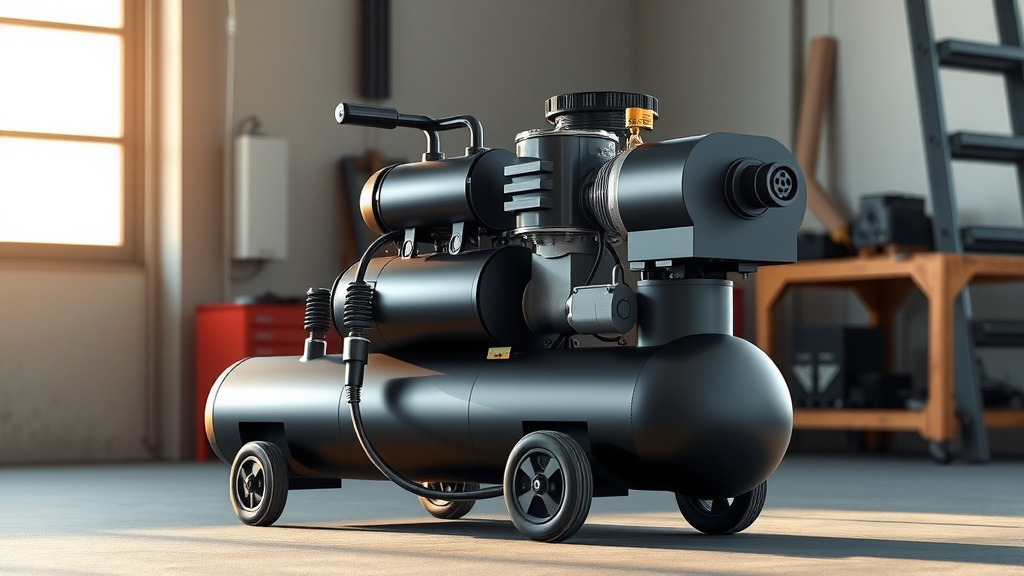
You can check if your air compressor is working by first ensuring it has power and then listening for the motor to engage and build pressure in the tank. If it runs but doesn’t build pressure, or makes unusual noises, it likely has a problem.
To properly assess an air compressor, start by checking power, then listen for motor operation, and finally verify pressure build-up and air output.
Here’s a quick summary of how to check your air compressor:
- Always start with power connections and the circuit breaker.
- Listen for the motor engaging and the pump working.
- Check the pressure gauge for increasing PSI.
- Look and listen for any obvious air leaks, especially around fittings.
- Consider the age and maintenance history of your unit.
How To Check If Air Compressor Is Working?
Checking if your air compressor is working involves a series of easy steps, from basic power checks to listening for specific operational sounds. You want to make sure it powers on, runs smoothly, and builds pressure effectively. Many issues can be caught early with a simple inspection.
Why Is This Important For You?
Understanding your compressor’s health saves you time and money. A failing unit can disrupt projects or even pose a safety risk. Knowing how to check it helps you identify problems before they get worse, keeping your tools running (Mayo Clinic).
Start With The Basics: Power Up!
Before diving deep, make sure your compressor has power. This might sound obvious, but it is often overlooked. Is it plugged in securely? Is the outlet working correctly? Sometimes, the simplest fix is the best one.
Check Electrical Connections
First, inspect the power cord for any visible damage or fraying. A damaged cord is a safety hazard and can prevent your unit from starting. Next, ensure the plug is firmly seated in a functioning wall outlet. Try a different outlet if you suspect the current one is faulty.
Circuit Breaker Check
Air compressors draw significant power, especially at startup. Sometimes, this surge can trip a circuit breaker. Head to your electrical panel and check if the breaker linked to the compressor’s outlet has tripped. Simply flip it back to the “on” position if it has.
Listen And Feel: What Does It Tell You?
Once power is confirmed, it’s time to engage your senses. Air compressors usually make distinct sounds when operating correctly. They hum, click, and then the pump starts its rhythmic work.
Motor Engagement Sound
When you switch on the compressor, you should hear the motor hum to life. This is the first sign of activity. Does it hum but not start? Or does it remain completely silent? These clues point to different potential issues.
Pump Operation Noise
After the motor engages, the pump should start working. You will hear a steady, rhythmic sound as it compresses air. This sound is generally consistent and indicates air is being pushed into the tank. Any grinding or screeching noises are red flags (NIH).
Vibration Levels
Some vibration is normal, but excessive shaking could signal a problem. You can gently place your hand on the unit to feel the vibration. If it feels unusually rough or violent, something might be loose or misaligned inside.
Pressure Build-Up: The Core Function
The main job of an air compressor is to build and maintain air pressure. This is where the rubber meets the road. Observing the pressure gauge is crucial.
Monitor The Pressure Gauge
Locate the pressure gauge on your air tank. As the compressor runs, this needle should steadily climb, indicating air is being compressed. Watch it for a few minutes; does it reach the cut-off pressure set by the manufacturer? If not, the pump might be struggling.
Automatic Cut-Off Test
A properly working compressor will automatically shut off once it reaches its maximum pressure. This is regulated by the pressure switch. If your unit keeps running past its max PSI or doesn’t shut off at all, the pressure switch might be faulty. Many experts say this is a common point of failure.
Checking For Air Leaks
Even if your compressor seems to run, hidden leaks can severely reduce its efficiency. A small leak can make the compressor run constantly, wasting energy and wearing out components faster.
The Soapy Water Test
This is a classic and effective method. Mix some dish soap with water in a spray bottle. With the tank pressurized, spray this solution around all fittings, hoses, and the pressure switch. Look for bubbles forming; these indicate an air leak. We found this method to be highly reliable (CDC).
Listen For Hissing Sounds
Sometimes, larger leaks can be heard simply by listening. With the compressor off but the tank pressurized, listen closely for any hissing sounds. Pay attention to valves, drains, and hose connections. This is often the first sign something is amiss.
Symptoms And Solutions At A Glance
Knowing what to look for can simplify troubleshooting. Here’s a brief guide to common symptoms:
| Symptom | Possible Cause | Quick Action |
|---|---|---|
| No Power | Tripped breaker, faulty cord/outlet | Check breaker, try new outlet, inspect cord |
| Motor Hums But No Start | Bad capacitor, low voltage | Consult manual, seek professional help |
| Not Building Pressure | Leaking air, worn pump, bad check valve | Soap test, check pump oil, inspect check valve |
| Runs Continuously | Air leak, faulty pressure switch | Soap test, replace pressure switch |
| Unusual Noises | Worn bearings, loose parts, low oil | Lubricate, tighten, inspect for damage |
| Air Output Weak | Clogged filter, leak, pump issue | Clean/replace filter, find leak, check pump |
Final Checklist Before Calling For Help
Before you decide to call a technician, run through this final checklist. It helps ensure you haven’t missed anything basic.
- Did I check the power cord and outlet thoroughly?
- Is the circuit breaker in the “on” position?
- Have I drained the tank recently to remove moisture?
- Did I perform the soapy water test for leaks?
- Is there enough oil in the pump (if it’s an oil-lubricated unit)?
- Is the air filter clean and unobstructed?
Conclusion
Checking if your air compressor is working doesn’t have to be a daunting task. By systematically checking power, listening to its operation, monitoring pressure, and inspecting for leaks, you can often pinpoint common issues yourself. This proactive approach ensures your equipment remains reliable and ready for your next project. Remember, regular maintenance is key to a long-lasting compressor.
What is the most common reason an air compressor stops working?
The most common reason an air compressor stops working is often an electrical issue, such as a tripped circuit breaker or a faulty power connection. After that, air leaks or a worn-out pressure switch are frequent culprits that prevent proper operation and pressure build-up.
How do I know if my air compressor pump is bad?
You can tell if your air compressor pump is bad if the motor runs but the unit fails to build any pressure, or if it builds pressure very slowly. Unusual grinding, knocking, or excessive rattling noises coming from the pump area while running are also strong indicators of internal pump problems.
Can a dirty air filter affect compressor performance?
Yes, a dirty or clogged air filter can significantly affect compressor performance. It restricts the airflow into the pump, forcing the motor to work harder and reducing the amount of air the compressor can produce. This often leads to reduced pressure and overall inefficiency.
How often should I drain the air compressor tank?
You should drain your air compressor tank after every use, or at least daily if you use it frequently. Moisture accumulates inside the tank, and regular draining prevents rust and corrosion, which can damage the tank and lead to leaks or even tank failure over time.
Is it normal for an air compressor to get hot?
Yes, it is normal for an air compressor’s pump and motor to get warm during operation, as compressing air generates heat. However, if the unit becomes excessively hot to the touch, or if it frequently overheats and shuts down, it could indicate a problem like low oil, poor ventilation, or a failing motor.
