
Is a Portable Air Compressor Good for a Road Trip Kit?
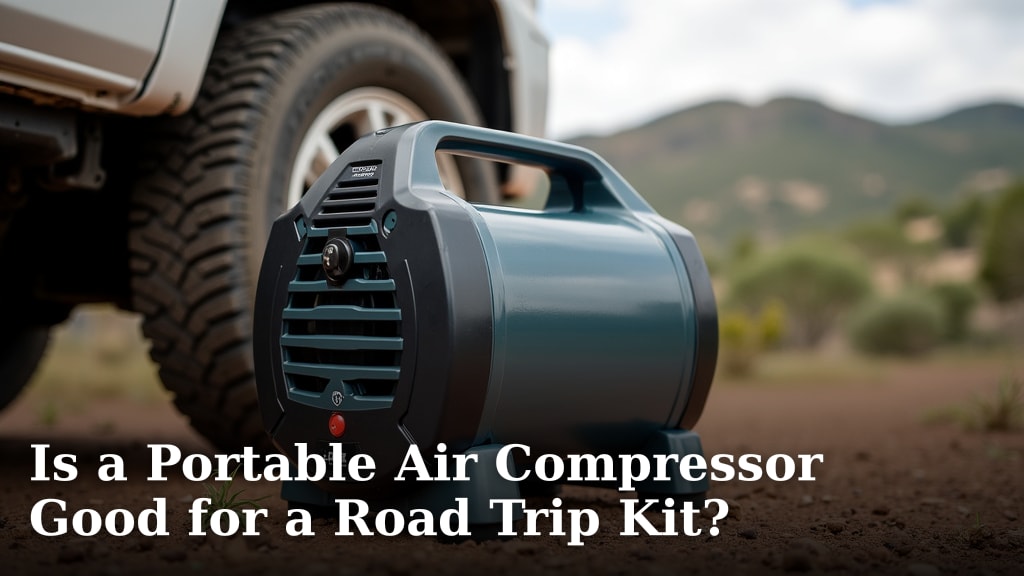
Why a Portable Air Compressor Belongs in Your Road Trip Kit
Let’s be real: a flat tire or a low tire can happen to anyone, anywhere. It doesn’t care about your vacation plans. We found that being prepared is the best way to travel with peace of mind. That little portable compressor is like a safety net for your journey. It helps you handle a common problem without panic.
Having one means you aren’t stranded waiting for roadside assistance. You’re not driving on a low tire, which is dangerous. You can inflate a tire just enough to get to the next safe exit. That control is what makes it a smart addition.
The Primary Job: Tire Inflation
The most important job for a portable air compressor is filling tires. This includes your car, but also bike tires, air mattresses, or sports equipment. Tires naturally lose about 1 PSI (pound per square inch) of pressure per month (U.S. Department of Energy). So you’ll likely need to top them off eventually.
Driving on under-inflated tires hurts your fuel economy. The U.S. Department of Energy estimates it can lower mileage by over 3%. More importantly, it’s a safety risk. Poorly inflated tires heat up faster and are more prone to blowouts.
Handling a Flat in a Pinch
Imagine this: you hear that dreaded *flap-flap-flap* sound. You pull over to find a nail in your tire. You may not have a spare, or changing a tire on the side of a busy highway feels unsafe. A compressor with a tire sealant kit can be a temporary fix. It can seal the small puncture and re-inflate the tire. This gets you off the road and to a service center safely.
Other Handy Uses on the Road
Your trip isn’t just about the car. Think about all the other inflatables you might use. A portable compressor is a multi-tool for air.
- Bicycles: Going for a scenic ride? You can inflate your bike tires at the trailhead.
- Air Mattresses & Camp Furniture: No more huffing and puffing. Set up camp in minutes.
- Sports Gear: Footballs, soccer balls, and basketballs for a quick game at the rest stop.
- Pool Toys & Inflatables: Keep the kids entertained at the lake or beach.
Having one compressor covers all these needs. It saves you from carrying multiple bulky pumps.
Choosing the Right Compressor for Your Vehicle and Trip
Not all portable compressors are the same. Choosing one is about matching it to your car and your needs. We’ll break down what to look for so you don’t waste money on the wrong tool.
Key Features to Compare
When you’re shopping, these specs matter most. Don’t get overwhelmed by the tech talk. Focus on these practical points.
| Feature | What It Means for You | Recommendation |
|---|---|---|
| Power Source | How does it plug in? | 12V DC (cigarette lighter) is standard and reliable for most cars. Dual-power (DC + battery or AC) adds versatility. |
| Maximum Pressure (PSI) | How hard can it pump? | Look for at least 100-150 PSI. This is enough for car tires and most inflatables. |
| Airflow (CFM) | How fast does it fill? | Higher CFM (Cubic Feet per Minute) means faster inflation. This is key for larger tires. |
| Noise Level | How loud is it? | Measured in decibels (dB). Anything under 80 dB is reasonably quiet. Check product reviews for real-world noise. |
| Extras | What else does it come with? | LED lights, multiple nozzle adapters, and a carrying case are huge bonuses for road trips. |
Types of Portable Compressors
You’ll mainly see two types. Each has a sweet spot.
1. Tire Inflators
These are compact and designed specifically for car and bike tires. They usually plug into your 12V outlet. They are straightforward to use and store easily. Most come with a pressure gauge and auto-shutoff feature.
2. Multipurpose Compressors
These are often more powerful with a larger air tank. Think of them as a smaller version of a garage air compressor. They are excellent for frequent use, larger vehicles, or running air tools. They might be louder and bulkier, though.
Safety and Best Practices
Using air is simple, but a few rules keep you safe. Your safety is the top priority. Never skip these steps.
Always park on a flat, stable surface. Turn off your vehicle’s engine before plugging in the compressor. Make sure the air hose is securely connected. Never exceed the maximum tire pressure written on the tire’s sidewall. Over-inflation can cause a dangerous blowout.
The CDC recommends keeping a basic emergency kit in your car. A portable air compressor fits perfectly into this preparedness mindset. It’s a tool that helps you act safely when you need to.
What to Do Before You Hit the Highway
Don’t wait until you’re on the road to learn how your new gadget works. Do a quick test run in your driveway. Practice inflating a tire from a lower pressure. Get comfortable with the settings and the auto-shutoff function. This practice makes you confident if you need it for real.
We found that taking five minutes to practice prevents a lot of frustration later. You’ll know exactly how long it takes and how loud it gets. There are no surprises.
Your Pre-Trip Checklist
Before your next adventure, run through this simple list. It takes less than 10 minutes.
- Check Tire Pressure: Use the compressor to inflate all tires to the recommended PSI (found on the driver’s door jamb).
- Test the Compressor: Plug it in and run it for 30 seconds to ensure it powers on correctly.
- Check for Leaks: Listen for hissing sounds around the valve stems or hose connections.
- Know the Location: Store the compressor in an easy-to-reach spot, not buried under luggage.
- Bring Adapters: Make sure the ball, needle, and nozzle adapters are in the bag.
- Review the Manual: Glance over the instructions for any model-specific tips or warnings.
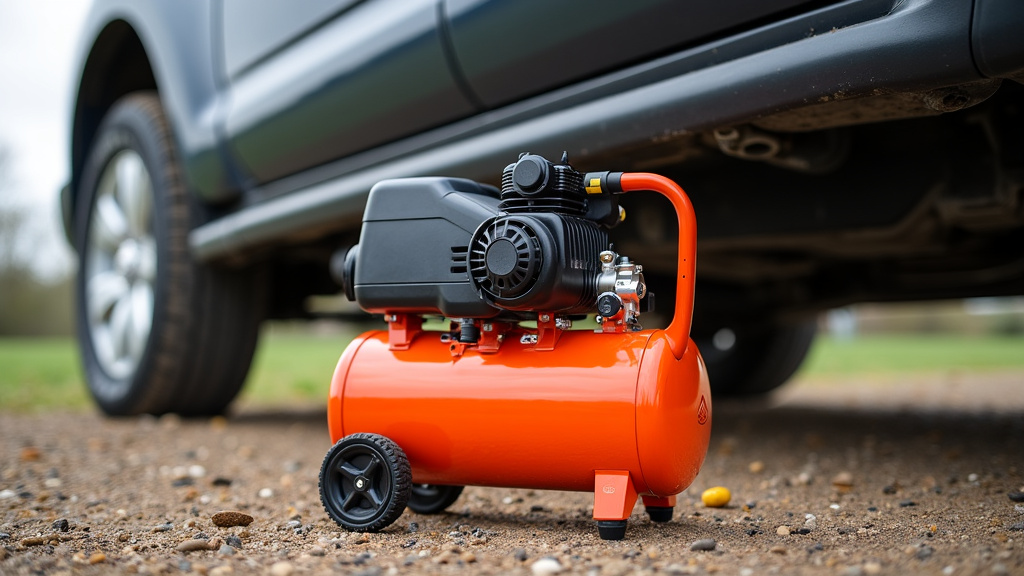
Making the Most of Your Investment
A portable air compressor is more than an emergency tool. It’s a convenience tool that saves you time and money. You won’t have to find a gas station with an air pump. You won’t need to awkwardly use those coin-operated machines that barely work.
You can maintain proper tire pressure yourself. This is one of the easiest ways to improve your car’s efficiency and safety. It pays for itself over time through better gas mileage and longer tire life.
So, is it good for a road trip kit? Absolutely. It turns a potential crisis into a minor pause. It gives you self-reliance when you’re miles from home. That’s not just a good item; it’s a smart travel companion.
Conclusion
So, is a portable air compressor good for your road trip kit? Absolutely. It’s a small device that provides major peace of mind. We’ve covered how it handles the most common roadside emergency—a tire issue—and serves many other uses. From maintaining proper tire pressure for safety and fuel efficiency to inflating camp gear, it’s a true multi-tool. The research and found data about tire pressure loss and safety risks make a clear case. For your next adventure, add this simple tool to your checklist. Check your tire pressures before you leave home and pack the compressor where you can reach it quickly.
Frequently Asked Questions
What happens if my portable air compressor fails or runs out of battery during a trip?
This is why you choose a reliable model with good reviews. Always perform a quick test run before your trip, as we mentioned. Carry your vehicle’s manual tire gauge as a backup to check pressure. Most failures are due to a loose power connection, so double-check that your plug is secure.
Can one portable compressor handle all the tires on my SUV or truck?
Yes, most quality portable compressors can inflate all four tires on standard passenger vehicles, including SUVs. You will need to pause between tires to let the motor cool. For very large tires on heavy trucks, a more powerful model with a higher airflow (CFM) rating is a better choice.
Is it okay to use the compressor on other vehicles like a motorcycle or boat trailer?
Generally, yes, as long as you use the correct nozzle adapter. The 12V power source is universal for most vehicles. The key is to not exceed the maximum PSI listed on the specific tire you are inflating. Always check the sidewall for that number.
How long can I continuously run my portable air compressor?
Check your model’s manual, as it varies. A common recommendation is to run it for 10-15 minutes, then let it cool for a similar amount of time. This prevents overheating. Most road trip uses, like topping off tires, take less than five minutes total, so this isn’t usually an issue.
Given the cost, is a portable air compressor really worth it for just a road trip?
It’s worth it for the safety and convenience it provides far beyond just one trip. The cost is often less than a single roadside assistance call or the damage from driving on a severely under-inflated tire. It becomes a permanent, useful tool in your garage and emergency kit for years.
