
How To Use Air Compressor As Vacuum Pump?
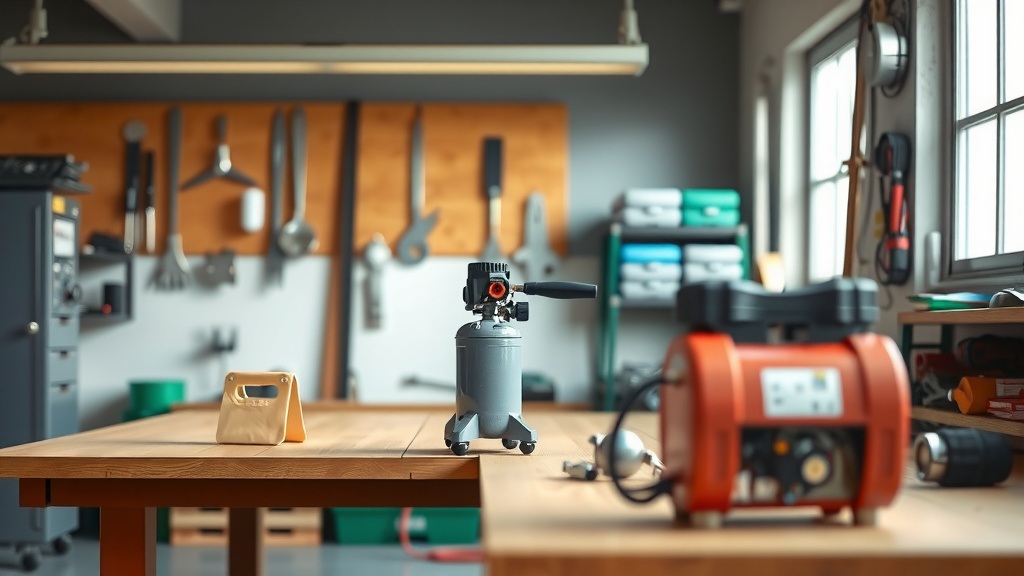
Yes, you can use an air compressor as a vacuum pump, but it requires specific accessories and careful setup to convert its pressure-generating capability into a suction force.
This conversion allows your compressor to create a powerful vacuum for tasks like liquid transfer, vacuum bagging, or even minor air conditioning system evacuation.
-
You can turn your air compressor into a vacuum pump with the right tools, like a venturi-style vacuum attachment.
-
This setup uses compressed air flow to create a strong suction, pulling air and liquids from an area.
-
It’s useful for many jobs, from bleeding brakes to removing air from HVAC lines.
-
Remember to always prioritize safety and use appropriate protective gear during the process.
How To Use Air Compressor As Vacuum Pump?
To use an air compressor as a vacuum pump, you primarily need a venturi vacuum generator. This device attaches to your compressor’s air outlet and converts high-pressure airflow into a low-pressure vacuum effect. Think of it like a clever trick where blowing air rapidly creates a powerful suck. We’ve found this method to be the most practical for home and light industrial use.
Understanding the Magic of a Venturi
What exactly is a venturi? Imagine a narrow passageway. When compressed air rushes through this constricted space, its speed increases. This increase in speed causes a drop in static pressure within the chamber (University of Michigan Engineering). This pressure drop is your vacuum! It’s pure physics at play, making your compressor do double duty. We often explain it as a clever way to ‘steal’ energy from fast-moving air.
Why Turn a Compressor into a Vacuum?
Many people own an air compressor but not a vacuum pump. By converting your compressor, you save money and space. It’s an economical choice for tasks that don’t need a dedicated, continuous high-volume vacuum. We found this especially true for intermittent projects around the workshop or garage.
Essential Tools You’ll Need
Before you start, gather your equipment. You will need your air compressor, of course. A venturi vacuum generator is the star of the show. Don’t forget an air hose, appropriate fittings, and any specific attachments for your task. Safety glasses are a must, along with gloves (OSHA guidelines frequently remind us about personal protective equipment).
Choosing the Right Venturi Attachment
Venturi vacuum generators come in various sizes and designs. For general workshop use, a smaller, hand-held unit is often sufficient. If you plan to evacuate larger volumes, look for a more robust unit with higher CFM (cubic feet per minute) ratings. Many experts say matching the venturi to your compressor’s output is key for efficiency.
Step-by-Step Setup Guide
Setting up your compressor for vacuum tasks is straightforward. First, ensure your compressor is off and unplugged. Attach the venturi vacuum generator to your air compressor’s quick-connect air outlet. Connect the vacuum hose from the venturi’s suction port to the item you want to evacuate. Always double-check connections for leaks before starting. Loose connections mean lost vacuum power.
Preparing Your Work Area
A clean, well-ventilated area is always best. Make sure you have enough space to work comfortably and safely. Keep any liquids or debris you’re vacuuming contained. Having a clear workspace prevents accidents and makes the job much smoother. We always advise treating any project with respect for safety.
Safety First: Important Considerations
Working with compressed air and vacuum can be risky if you’re not careful. Always wear eye protection. Ensure hoses are in good condition and rated for the pressure. Never point the air gun (if using one for other tasks) at yourself or others. Vacuuming certain chemicals or hot liquids can also be hazardous. Research consistently shows that proper safety gear prevents most injuries.
Eye Protection is Non-Negotiable
Tiny particles or sudden bursts of air can injure your eyes. Simple safety glasses protect you from these dangers. We’ve seen countless workshop incidents where eye protection made all the difference. It’s a small step that offers massive protection.
Common Applications for Your Vacuum Compressor
Once set up, your compressor-turned-vacuum can tackle various jobs. You can use it for brake bleeding, evacuating small AC systems, creating vacuum for composite layups, or even transferring fluids. It’s surprisingly versatile! Many users report finding new uses every day.
Here are some practical uses:
- Brake Bleeding: Pull old brake fluid out and new in, creating a solid pedal.
- AC System Evacuation: Remove moisture and non-condensable gases from car AC lines.
- Vacuum Bagging: Perfect for woodworking or composite projects, creating strong, even pressure.
- Liquid Transfer: Siphon fluids like oil or coolant without making a mess.
- Small Object Pickup: Retrieving screws or small parts from tight spaces.
Vacuum for Brake Bleeding
Brake bleeding is a common task. By attaching your vacuum setup to the bleeder valve, you can draw fluid through the lines. This creates a much faster and often cleaner process than traditional methods. Just make sure your fluid reservoir stays full to avoid introducing air into the system. Many mechanics swear by this method for efficiency.
Evacuating AC Systems
When working on a car’s air conditioning, you must remove all air and moisture. Your vacuum setup can do this effectively for smaller systems. Attach the venturi to the low-side service port. Run the compressor until a stable vacuum is achieved. This ensures your new refrigerant will perform optimally (SAE International often publishes guidelines on AC service).
Maintaining Your Compressor for Dual Use
Using your compressor for vacuum tasks doesn’t require special maintenance, but general care is important. Regularly drain the moisture from your tank. Keep air filters clean. Check hoses and fittings for wear. A well-maintained compressor always performs better and lasts longer. Think of it as giving your workhorse some TLC.
Here’s a quick checklist to keep your compressor in top shape:
- Drain condensation from the tank after each use.
- Inspect air filters for cleanliness and replace as needed.
- Check all hoses and fittings for cracks or leaks.
- Ensure the oil level is correct if your compressor requires it.
- Store your compressor in a clean, dry environment.
- Regularly listen for unusual noises during operation.
Limitations of Using a Compressor as a Vacuum Pump
While versatile, a converted compressor isn’t a replacement for a dedicated vacuum pump. It typically won’t achieve the same deep vacuum levels or maintain them for long periods. For continuous, high-performance vacuum tasks, a purpose-built pump is better. It’s about choosing the right tool for the job. We found that for most DIY tasks, the converted compressor is more than enough.
Here’s a comparison of a dedicated vacuum pump vs. a compressor with a venturi:
| Feature | Dedicated Vacuum Pump | Compressor with Venturi |
|---|---|---|
| Vacuum Depth | Very deep, sustained vacuum (e.g., 29+ inHg) | Moderate vacuum (e.g., 20-25 inHg) |
| Continuous Use | Designed for extended, continuous operation | Better for intermittent, shorter tasks |
| Noise Level | Can be quieter, depending on type | Compressor noise can be significant |
| Cost | Higher initial investment | Lower cost if you already own a compressor |
| Versatility | Specialized for vacuum tasks | Dual-purpose, offers both pressure and vacuum |
Conclusion
Transforming your air compressor into a vacuum pump is a clever and cost-effective solution for many tasks. With a simple venturi attachment and a focus on safety, you can expand your compressor’s utility significantly. Remember its limitations, but for most DIYers and small shop owners, it’s a game-changer. You’ll find yourself reaching for this setup more often than you think, tackling jobs with new confidence and ease. It’s about getting more value from your tools.
Can I use any air compressor as a vacuum pump?
Most standard air compressors can be used, but you need a venturi-style vacuum generator attached to the air outlet. The compressor’s CFM (cubic feet per minute) rating will affect the strength and speed of the vacuum created, with higher CFM generally yielding better results. Make sure your compressor can maintain consistent pressure.
Is a venturi vacuum generator expensive?
Venturi vacuum generators are generally quite affordable, especially compared to the cost of a dedicated vacuum pump. Prices can vary based on size, material, and brand, but many effective models are available at a reasonable price point. We found that most workshop-grade units are a relatively small investment.
What safety precautions should I take when converting my compressor?
Always wear eye protection to guard against debris or sudden air bursts. Ensure all connections are secure to prevent hoses from whipping around under pressure. Never use your hands to check for leaks in a high-pressure line. Follow your compressor’s manual for general safety and maintenance. Think of it as responsible tool use.
Can this setup be used for deep vacuum applications, like lab work?
While effective for many tasks, a compressor with a venturi attachment typically cannot achieve the deep, precise vacuum levels required for sensitive laboratory work or industrial applications. For these jobs, a dedicated laboratory or industrial vacuum pump is necessary. It’s best for applications needing moderate to strong suction.
How long can I run my compressor as a vacuum pump?
The duration depends on your compressor’s duty cycle. Continuous operation as a vacuum pump will likely keep your compressor running more often, potentially leading to overheating. It’s best suited for intermittent or shorter tasks to avoid overworking your machine. Give your compressor breaks to cool down, especially if it’s a smaller, oil-free model.
